Long-range drone warfare against critical energy infrastructure has shifted the strategic equilibrium of the European conflict, exposing structural vulnerabilities in both Russian domestic fuel markets and international supply chains. When political demands emerge from Washington to halt these campaigns, they intersect with complex economic cost functions, international trade frictions, and asymmetric military leverage. Evaluating this friction requires deconstructing the operational impact of refinery strikes, the mechanics of the diesel deficit, and the strategic trade-offs facing Kyiv and its allies.
The Operational Impact on Russian Refining Capacity
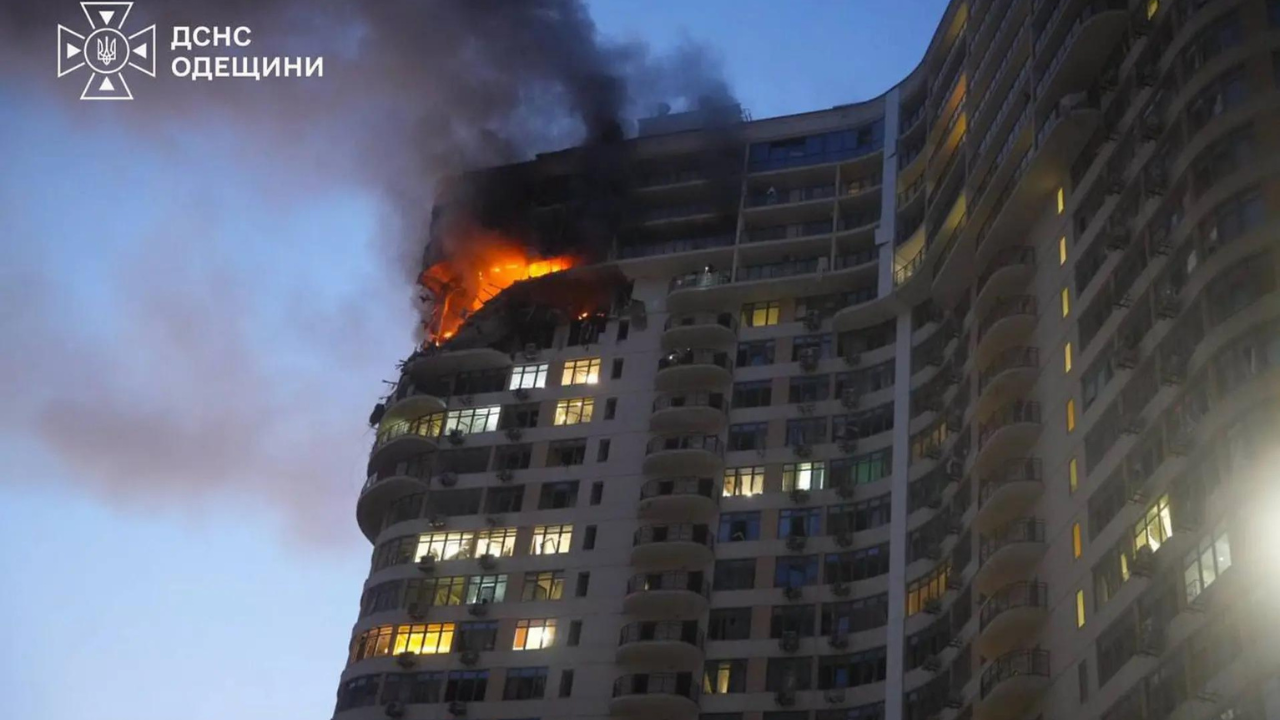
Systematic long-range strikes targeting primary processing units across key Russian hubs—including facilities in Ryazan, Yaroslavl, and the Volga region—have materially degraded domestic distillation output. Industry tracking indicates that these campaigns have recurrently knocked out up to thirty percent of Russia's total crude processing capability during peak operational disruptions.
The vulnerability lies in the specialized architecture of Soviet-era refining configurations. Unlike crude extraction sites, which can often scale production up or down with minimal structural damage, secondary conversion units and catalytic crackers require precise, highly engineered Western-sourced components for maintenance. Sanctions severely restrict direct procurement of these replacement parts. Consequently, physical damage to distillation columns translates directly into prolonged operational downtime, forcing regional rationing, retail fuel caps, and localized supply bottlenecks.
The Global Diesel Transmission Mechanism
The strategic weight of these refineries extends far beyond domestic Russian consumption. Russia functions as a structural exporter of middle distillates, particularly diesel fuel, to global markets. When processing capacity contracts by hundreds of thousands of barrels per day, the domestic shortage forces Moscow to curtail exports, tightening global balances.
This contraction collides with international market pressures. Administrative interventions, such as attempts to broker exemptions for Russian diesel shipments to alleviate Western price spikes, encounter severe friction due to secondary compliance risks. Energy traders and maritime insurers refuse to clear cargo due to outstanding statutory bans and secondary sanctions. Thus, the physical destruction of refining assets by drone strikes combines with regulatory compliance barriers to produce a dual-shackled supply constraint: barrels are lost to physical destruction, and surviving barrels remain frozen by legal hesitation.
The Calculus of Leverage and Asymmetric Coercion
External pressure on Kyiv to suspend refinery operations relies on the premise that stabilizing global energy markets takes precedence over regional military coercion. However, from an operational perspective within Ukraine, these strikes represent one of the few high-yield, asymmetric levers capable of imposing economic costs directly on the Russian state.
The strategic dilemma is defined by two competing equilibria:
- The Unilateral De-escalation Trap: Halting refinery strikes without a corresponding, verifiable cessation of Russian attacks on Ukrainian power grids and heating systems removes military pressure from Moscow while leaving civilian infrastructure exposed.
- The Escalation Feedback Loop: Continuing the campaign preserves strategic leverage but invites intensified diplomatic pressure from international partners concerned with macroeconomic stability and fuel pricing.
The institutional cost of compliance for Kyiv involves trading tangible strategic leverage for verbal assurances of reciprocity that lack enforcement mechanisms.
Strategic Forecast
As long as energy infrastructure remains a primary instrument of economic warfare, asymmetric drone campaigns against refining nodes will persist as a rational optimization for a technologically outmatched defender. Diplomatic demands for a standstill will fail to alter operational behavior unless paired with equivalent, enforceable constraints on adversary long-range strikes against civilian power generation. The trajectory depends entirely on whether external actors can successfully bind both belligerents to a simultaneous, symmetrical moratorium on energy grid targeting, or if structural supply attrition forces a protracted war of industrial attrition.
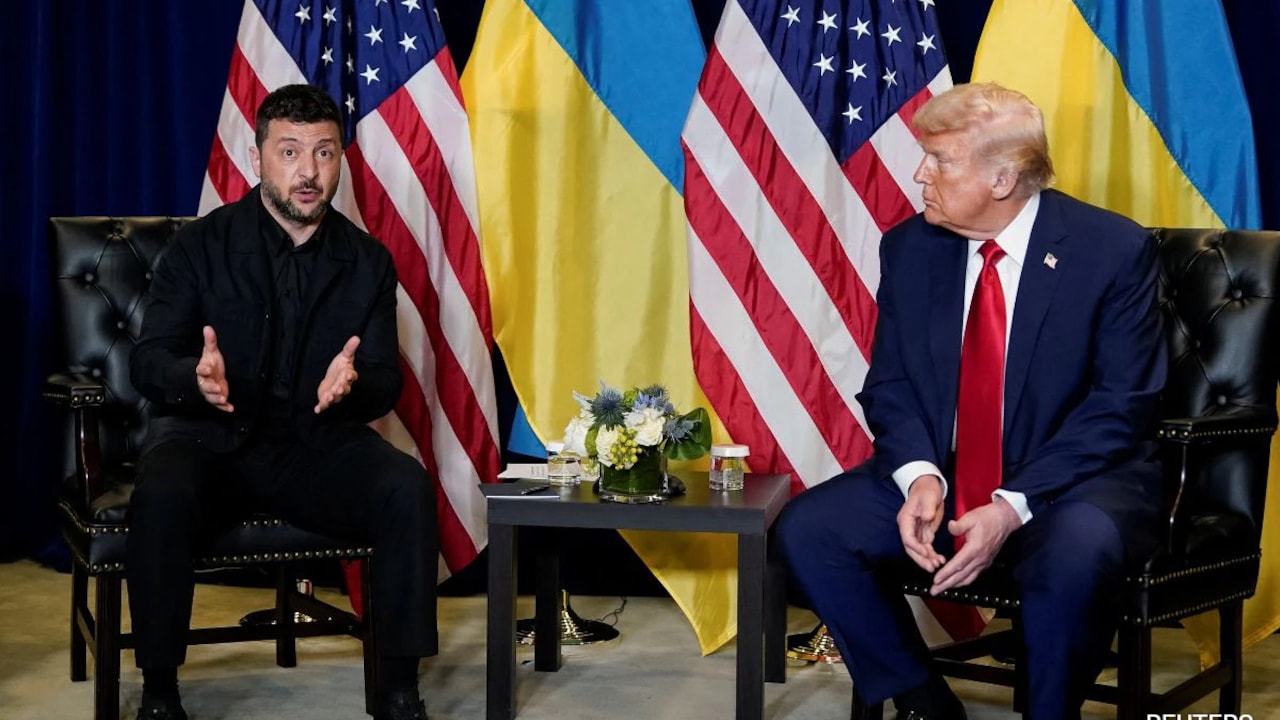
Trump tells Zelenskyy to stop hitting Russian refineries
This video provides direct context regarding the diplomatic friction and public warnings issued over the targeting of Russian energy infrastructure.