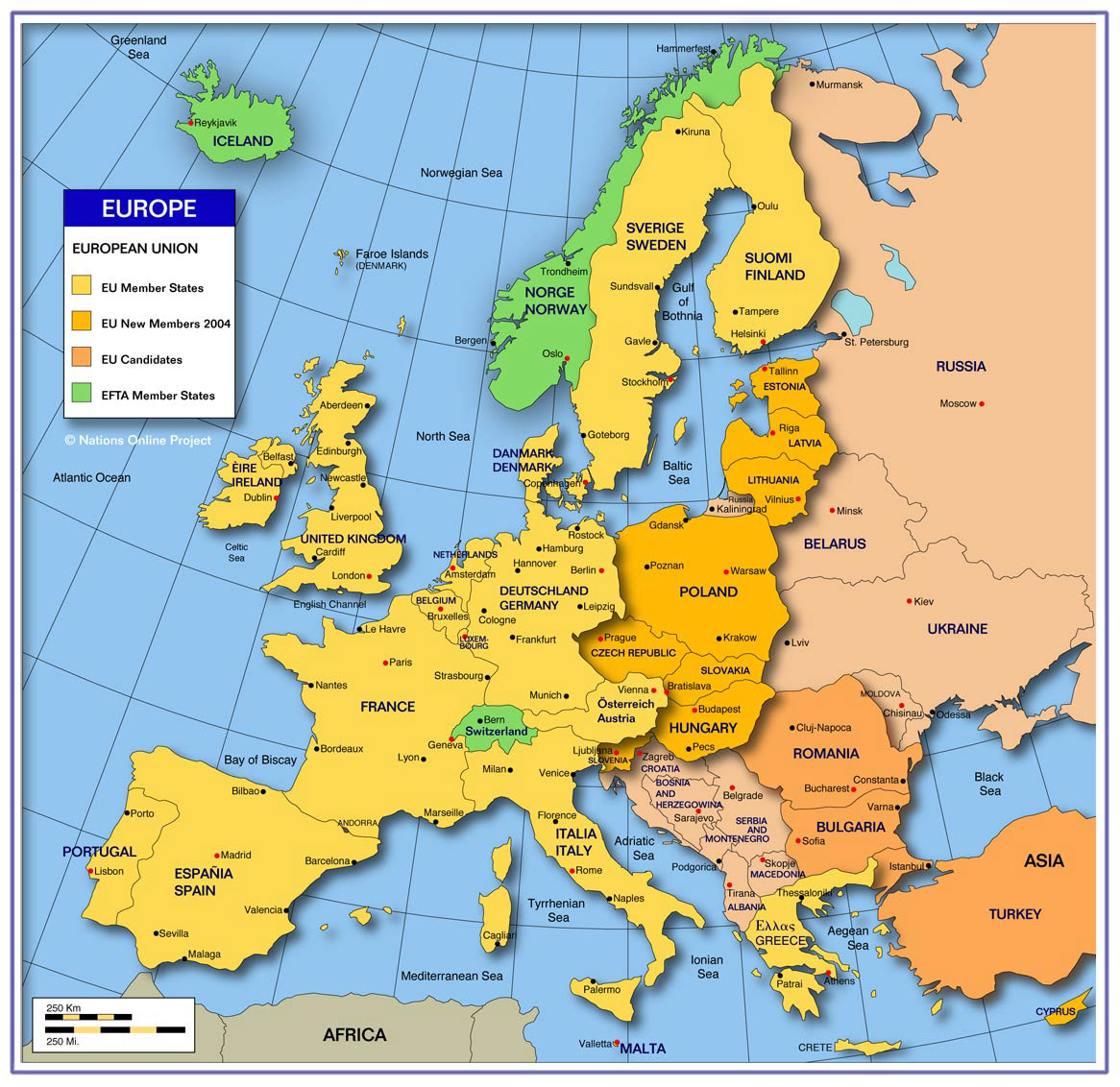
When weapons makers start moving like macro barometers, something in the world order is cracking. European defence stocks aren't just riding a budget bump anymore—they're flashing a warning light about how fragile deterrence has become.
Look at the numbers behind the headlines. Total defence spending across the 27 European Union member states hit €418 billion in 2025—a 20% jump in a single year—and is projected to climb to €454 billion in 2026, according to the European Defence Agency. Meanwhile, the Stockholm International Peace Research Institute puts military spending by European NATO members at $559 billion in 2025. That isn't peacetime housekeeping. That's a continent scrambling to rearm while staring down simultaneous shocks across Eastern Europe, the Middle East, and transatlantic diplomacy.
Here's the twist that trips up a lot of casual observers. Big budgets don't automatically equal smooth profits. Investors cheering a simple "defence supercycle" often miss how messy heavy manufacturing actually is when politicians suddenly open the checkbook.
Why European defence stocks act like a geopolitical alarm
A few years ago, buying defence shares in Europe felt like a niche or even a taboo trade for mainstream funds. Today, those tickers sit right in the middle of macro conversations about sovereign risk, alliances, and industrial survival.
When governments talk about higher GDP targets—including NATO discussions around raising spending benchmarks toward 5% of GDP over the coming decade—markets read it as an admission that old security assumptions failed. You don't pour hundreds of billions into air defence, artillery shells, radar, and armored vehicles because everything feels calm. You do it because you're worried about supply chains, border security, and whether allies will show up on time.
A surging share price on a munitions maker isn't a vote of confidence in world peace. It's a price tag on anxiety.
At the same time, defence stocks are unusually sensitive to political whiplash. One week, a shock or diplomatic clash sends shares ripping higher on fears of prolonged conflict. Another week, peace talks, budget squabbles in Brussels or Berlin, or doubts over delivery timelines trigger sharp pullbacks. Watching the sector gives you a real-time read on how worried investors are—not just about wars breaking out, but about whether governments can actually fund and execute what they promise.
The gap between signing cheques and building hardware
Honestly, this is where a lot of retail investors get burned. A defense minister announces a multi-billion-euro order at a press conference, and people assume revenue lands next quarter. Doesn't work like that.
Building fighter jets, naval vessels, air-defence batteries, and propellant lines takes years. Bottlenecks pop up everywhere:
- Specialized supply chains: Forgings, microelectronics, explosives, and optical sensors don't scale overnight just because a contract is signed.
- Permitting and plant construction: Expanding a factory or opening a new munitions line means environmental reviews, safety rules, and hiring skilled technicians who are already in short supply.
- Contract structure: Fixed-price deals can squeeze margins if input costs spike, while complex multi-nation programs often move at the speed of committee meetings.
Even when EU equipment procurement jumped 26% in real terms to €115 billion in 2025, turning backlog into cash flow remains a grind. That tension—massive order books paired with execution friction—explains why European defence stocks can look explosive on paper and frustratingly choppy in real time.
National champions vs. the hype around defence tech
If you scan market commentary right now, you'll see two big buckets of debate: legacy primes and newer defence tech. Both have a place in the story, though they behave very differently.
Traditional contractors—names like Rheinmetall, BAE Systems, Thales, Leonardo, Saab, and Dassault Aviation—carry deep moats built on regulatory hurdles, decades-long maintenance contracts, and entrenched relationships with home governments. According to analysis from Morningstar, major European defence primes have at times traded at steep discounts to fair value estimates even as long-term rearmament demand stretches out over a decade. Because national governments lean heavily on domestic suppliers for security of supply, incumbent primes often capture a huge share of national equipment budgets.
Meanwhile, drones, autonomous systems, electronic warfare, and defense software get plenty of buzz because modern battlefields keep adapting fast. Those areas matter—especially for speed and cost—yet they often carry higher valuation risk and less proven long-term profitability than established prime contractors. Chasing whatever sounds futuristic without checking order quality and cash conversion is a classic mistake.
What the numbers miss about European rearmament
Before treating defence stocks as a one-way ticket, it's worth looking at what official spending totals don't tell you.
First, higher spending doesn't automatically mean unified buying. European defence has long suffered from duplication—too many overlapping vehicle platforms and fragmented procurement rules across countries. A report from the European Defence Agency notes that short-term gap-filling and equipment buying have surged, while R&D represents a much smaller slice of total budgets. Buying off-the-shelf or patching holes helps today, but building next-generation industrial scale across borders is harder.
Second, fiscal math catches up eventually. Many European governments already juggle tight budgets, aging populations, and competing social costs. Sustaining steep defence hikes year after year takes political grit—especially if voters push back when tax or debt pressures mount.
Third, there's a real debate among investors and policymakers about what happens if major conflicts cool or diplomatic shifts reshape alliance commitments. Stockpiling and restocking ammunition will likely take years regardless, yet market multiples can still compress fast if sentiment cools. That's why transparency matters: nobody knows the exact path of geopolitical flashpoints, and pretending otherwise is just guessing.
Practical steps if you're tracking or investing in the sector
If you're watching this space—whether to read macro risk or weigh portfolio exposure—keep your process grounded rather than emotional.
- Separate headlines from backlog execution. Don't buy a spike solely because a geopolitical event hits the news. Check order backlogs, book-to-bill ratios, delivery schedules, and free cash flow conversion.
- Watch valuation and concentration risk. Defence ETFs and single-stock bets can become heavily concentrated in just a handful of big names. Know what you actually own and whether expectations are already priced in.
- Factor in non-defence exposure. Several major European aerospace and engineering groups also sell commercial aircraft parts or civil engines, meaning their share prices respond to airline demand and supply chains too.
- Check your own risk tolerance and rules. Geopolitical stocks can swing sharply on policy news, and some funds or personal mandates still restrict defence holdings. Decide ahead of time how much volatility you can stomach without panic-selling.
At the end of the day, the market isn't cheering conflict when defence stocks climb—it's pricing in a world where deterrence costs more, takes longer to build, and leaves far less room for complacency.