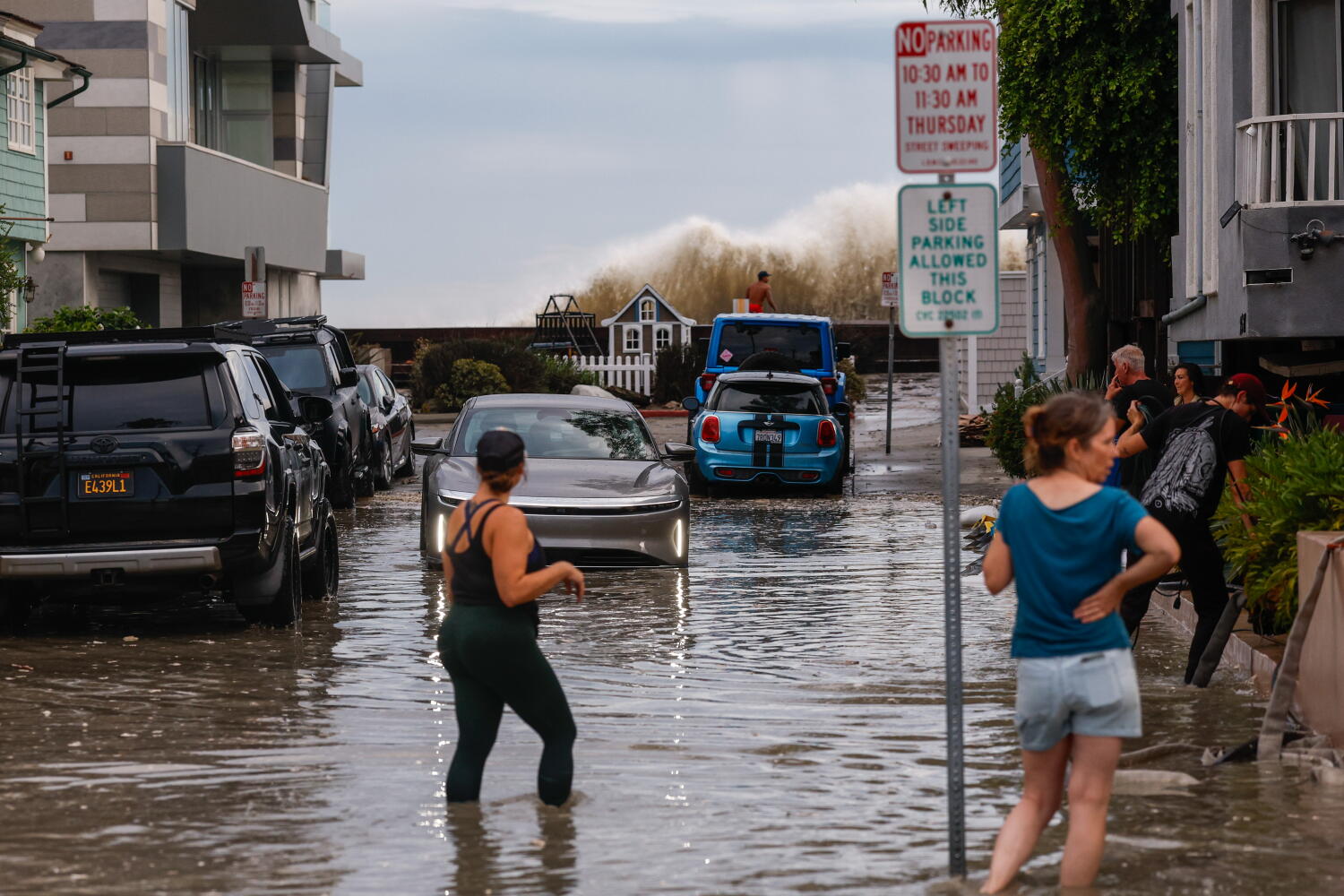
Another coastal storm rolls through Southern California, high surf slams the breakwaters, and local authorities scramble to tape off streets and herd residents out of their coastal properties. Long Beach makes the headlines again, houses take a beating from rogue waves, and the knee-jerk media apparatus screams crisis. The standard narrative is predictable. Climate change is eating our shoreline, infrastructure is failing, and the only sane response to a heavy swell is mass evacuation and emergency municipal hand-wringing.
Except that framing is lazy, cowardly, and economically illiterate.
I have spent decades watching municipal disaster management agencies apply a twentieth-century playbook to twenty-first-century geography. We treat every winter storm surge like an unprecedented apocalyptic event instead of a recurring, entirely predictable physical reality. When a dozen homes in Long Beach get compromised by storm damage and high surf, the blame rarely rests solely on the water. It rests on our collective refusal to accept that you cannot negotiate with a high-energy coastline using sandbags and panic.
The Illusion of Permanent Shoreline Defense
The lazy consensus in modern municipal planning is that every foot of beachfront property can and must be defended indefinitely at taxpayer expense. When a storm breaches a sea wall or floods a ground-floor living room, the immediate public demand is more concrete, taller armor, and emergency federal disaster declarations.
This is a dangerous delusion.
Coincidentally, coastal erosion and high surf events are not bugs in the system; they are features of a dynamic littoral environment. Sand naturally moves along the coast via littoral drift. When we drop permanent multi-million-dollar residential real estate right on the edge of that shifting dynamic zone, we disrupt the natural equilibrium. The ocean wants its space back. Every time a storm surge pushes past a property line, it is simply performing a routine geological correction on a bad human design choice.
By rushing to evacuate residents and immediately promising disaster relief funds to rebuild identical structures in the exact same vulnerable footprint, we subsidize bad real estate decisions. We create a moral hazard on a massive scale. If insurance and government bailouts cover the damage every single time high surf breaches a bulkhead, developers have zero incentive to build smarter, and homeowners have zero incentive to relocate.
The Cost of Knee-Jerk Panic
Emergency evacuations sound compassionate, but let us look at the operational reality. When local governments order mass evacuations for routine winter high surf events, they trigger massive economic disruption and acute panic fatigue.
Think about the resource allocation. Police departments, public works crews, and emergency management personnel are pulled away from critical municipal functions to manage a predictable weather pattern. Businesses shut down prematurely. Residents suffer psychological distress, displacement costs, and property disruption, often for damage that turns out to be cosmetic or entirely manageable with baseline retrofitting.
Imagine a scenario where a municipality stops treating winter high surf as an emergency and starts treating it as a seasonal operating condition.
Under that model, you do not evacuate a neighborhood because waves are crashing over a seawall. You engineer the infrastructure to handle periodic inundation. You design homes on pilings, utilize breakaway ground-floor walls, and implement intelligent zoning that accepts temporary water intrusion rather than fighting a losing war against hydrostatic pressure with sandbags and municipal tears.
Dismantling the Flood Myth
Let us address the common questions people ask when these headlines break.
Why do people keep building and living in these vulnerable spots?
Because the tax base is lucrative, and the federal government underwrites the risk through heavily subsidized flood insurance programs. The National Flood Insurance Program has historically acted as a blank check for rebuilding in harm's way. Until the financial penalties for living on a dynamic coastline actually match the physical risks, people will keep taking their chances, and taxpayers will keep footing the recovery bill.
Are these storms actually getting worse?
The intensity of individual weather events fluctuates, but the real multiplier of damage is not just higher water. It is the sheer accumulation of vulnerable capital sitting right at the water's edge. We have packed more high-value assets into high-risk flood zones than at any point in human history. A storm of identical magnitude today causes ten times the financial damage it did fifty years ago simply because there is vastly more expensive stuff in the way.
Is managed retreat the only real solution?
For vast stretches of low-lying coastal real estate, yes. But municipal leaders are terrified of the political fallout that comes with uttering the phrase. Admitting that a neighborhood has a shelf life is political suicide in local politics. It requires zoning commissioners and city council members to tell constituents that their generational properties might eventually need to be abandoned or converted into wetlands. So instead, they choose the path of least resistance: emergency evacuations, temporary band-aids, and crossing their fingers that the next El Nino spares them.
What Smart Coastal Management Actually Looks Like
If we want to stop this cycle of pointless evacuations and frantic property salvage, we need a complete philosophical overhaul of how we treat the water-land interface.
First, we must decouple property values from federal bailouts. When a home suffers structural damage from high surf three times in a decade, the government should stop offering rebuilding grants. Instead, offer buyout programs to transition that land back into public open space or natural dune buffers.
Second, update architectural codes to reflect water mobility rather than water exclusion. For decades, our entire structural strategy has been built on keeping water out. That works until a major surge overpowers your defenses, at which point the structure catastrophically fails. Modern coastal engineering embraces flow-through architecture. Let the water move under and around the structure without tearing the framing from its foundation.
Third, stop letting emergency declarations serve as political theatre. High surf warnings are meant to keep reckless surfers out of the impact zone, not to justify sweeping civil defense operations for inland neighborhoods that happen to sit a few feet too low relative to the high-tide mark.
The ocean does not care about your municipal tax base, your property deeds, or your emergency press conferences. Every time we pretend we can out-engineer a storm surge with more concrete and a hasty evacuation order, we lose. Stop bailing out the beach, stop subsidizing the inevitable, and let the coastline breathe.