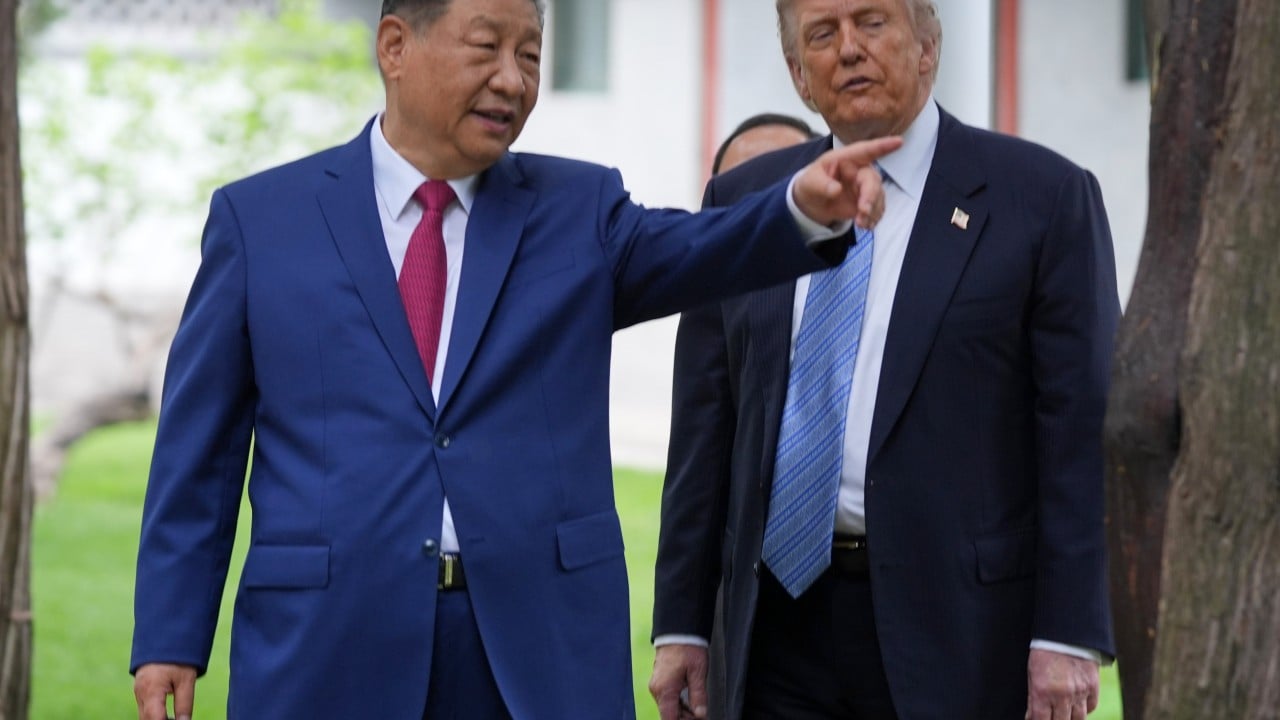
The mainstream punditry is hyperventilating over the scheduled September 2026 White House summit. They call it a historic reset, a diplomatic breakthrough, the dawn of a new era of bilateral cooperation between Washington and Beijing. They treat the upcoming arrival of Xi Jinping as if a single weekend of closed-door handshakes can override structural, systemic economic gravity.
It is diplomatic theater at its finest, and professional analysts are eating it up.
I have watched corporate boards and foreign policy think tanks blow millions of dollars chasing phantom consensus over the last decade, misreading every single high-level photo-op as a signal to alter supply chains or investment theses. They look at a confirmed meeting date and construct entire fantasies about trade normalization. They are wrong. Every single one of them is missing the brutal structural reality of modern superpower friction.
The Myth of the Great Diplomatic Reset
Look at the lazy consensus. Pundits argue that because Presidents Donald Trump and Xi Jinping are sitting down face-to-face for the first time in an official capacity in over a decade, the two nations are about to defuse years of technological decoupling, tariff escalation, and security standoffs.
This argument ignores basic statecraft. Superpowers do not abandon core national security imperatives because of a Tuesday afternoon meeting in the Oval Office.
China’s strategic calculus remains entirely unchanged. Beijing faces an intense domestic economic transition, a massive property sector hangover, and a long-term demographic contraction. They are not flying across the Pacific to offer sweeping trade concessions to an administration running on an America First mandate.
Conversely, Washington has baked technological containment and supply-chain reshoring into its bipartisan DNA. No amount of summit choreography will reverse the semiconductor export controls or alter the reality of industrial policy.
To understand why this summit is being fundamentally misinterpreted, we have to look past the press releases and examine the structural incentives driving both capitals.
Follow the Advance Teams Or Rather, the Lack of Them
Notice what is missing from the preliminary reporting. Behind the breathless coverage of the September 24 Washington summit, diplomatic observers have quietly noted a glaring omission: Beijing did not dispatch a massive advance delegation to New York for the United Nations General Assembly.
The media spent weeks speculating that Xi would use the UN backdrop to project a polished image of multilateral statesmanship, contrasting sharply with a Washington administration bogged down by foreign entanglements and regional conflicts like the ongoing strain involving Iran.
Instead, Xi is flying in late on September 23, holding one primary day of intense, transactional negotiations on September 24, and flying out on September 25.
This is not a grand global victory tour. It is a strictly limited, surgical containment operation. It is a transactional check-in between two leaders who realize that total radio silence is too dangerous for global markets, yet entirely incapable of reaching a grand bargain.
The Dangerous Illusion of Stability
Imagine a scenario where a corporate CEO takes these headlines at face value, assumes trade barriers are melting away, and reverses a multi-year manufacturing diversification strategy out of China. Within six months, that company would face catastrophic supply chain whiplash when the next wave of strategic tariffs or technology controls hits.
Stability in modern superpower relations does not mean friendship. It means guardrails.
The September meeting is designed to prevent miscalculation, not to solve structural incompatibilities. When two massive economic engines rub against each other, friction is the default state. A single handshake in Washington cannot rewrite the laws of geopolitical competition.
Stop treating routine diplomatic maintenance as a sign of ideological conversion. Ignore the superficial hype of a reset. Plan your exposure around permanent friction, not temporary theater.
The summit is happening. The cameras will flash. And the underlying structural decoupling will continue unabated the second the presidential motorcade pulls away.