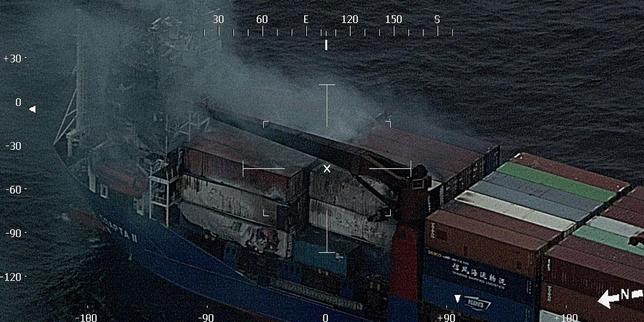
Hotheads yell. Steel bends. Headlines scream.
A sailor threatens to shoot a crewmate. A warship hits a refuelling vessel off the Kent coast. Standard tabloid coverage treats both events as isolated melodrama—one angry man with a weapon, one clumsy bump in congested water.
That reading misses the entire mechanical picture.
When a warship strikes a refuelling ship near the English Channel, you are not watching a random soap opera. You are watching hydrodynamic interaction, bridge resource management failure, and high-stress deck discipline collide in real time. A threat on board does not appear in a vacuum. It surfaces inside tight quarters, deafening machinery noise, exhaustion, and command pressure.
Chasing the loudest quote blinds readers to why modern navies keep scraping paint and losing tempers in narrow waters.
The Lazy Consensus Around Deck Rage and Collisions
Conventional coverage runs on two lazy assumptions.
First, readers assume a sailor threatening a crewmate is simply a rogue bad apple losing control. Second, they treat a warship hitting a refuelling ship off the Kent coast as a simple navigation mistake—someone misread radar, misjudged speed, or looked away for ten seconds.
Both assumptions sound neat. Both are shallow.
In maritime operations, aggression aboard ship rarely comes from cartoon villainy alone. Watchstanders work rotating shifts in cramped compartments where personal space barely exists. Add sleep debt, cold sea spray, mechanical vibration, and sudden crisis stress, and friction rises fast. Treating a threat as mere personality pathology ignores the pressure cooker that heated it up.
Treat the crash as mere bad driving and you miss the physics of close-quarters marine work. Two hulls moving through water create pressure fields and suction forces that pull vessels toward each other when spacing gets sloppy. Calling it a simple fender-bender insults every mariner who respects squat, interaction effect, and stopping distance.
I have spent years studying naval casualties, maritime risk, and operational safety failures across shipping and defense environments. Time after time, organizations spend fortunes on shiny sensors and formal manuals while ignoring human fatigue, watch rotation math, and basic seamanship habits. Blowing money on gadgets without fixing bridge culture is like putting racing tires on a bus with shot brakes.
What Actually Happens When Hulls and Tempers Clash
To understand what goes wrong when a warship and a refuelling vessel come together off Kent, start with the water itself.
1. Close-Quarters Hydrodynamics Do Not Forgive Ego
Refuelling at sea—whether underway replenishment or alongside bunkering in sheltered or coastal waters—demands millimeter-level respect for relative motion. Water is incompressible. A moving hull pushes water ahead and draws water in along its sides and stern.
When two vessels operate too close or at mismatched speeds:
- Bernoulli suction pulls hulls inward toward low-pressure zones between them.
- Bow cushion and stern drag swing headings unexpectedly if rudder corrections come late.
- Displacement mass laughs at last-second throttle reversals. A heavy steel hull carries momentum that takes hundreds of yards—or several ship lengths—to bleed off.
A warship is built for combat systems, speed, and survivability—not gentle parking. A refuelling vessel carries flammable or hazardous liquids and sits low or broad depending on load state. Put them together in busy coastal lanes with tides, currents, and merchant traffic, and small errors compound fast.
2. Why Threats Happen Inside High-Stress Crews
Naval historians and safety analysts—from figures like James Reason on organizational accidents to maritime human-factors researchers examining bridge and deck team breakdowns—point to the same pattern: sharp human conflict spikes when cognitive load exceeds crew capacity.
Imagine a scenario where a watch team has run on four-hour watch cycles for days, alarms chirp in the background, visibility drops, and orders conflict between bridge and deck. Stress narrows attention. Voices sharpen. A heated exchange escalates from frustration to threats faster than outsiders ever see from shore.
That does not excuse a threat of violence. A threat with a firearm or weapon aboard any vessel is a severe command and safety failure. Period. Still, pretending it happened in a calm vacuum prevents real accountability for leadership, watch scheduling, weapon control, and de-escalation training.
3. Narrow Waters Turn Minor Slips Into Headlines
The Kent coast sits right beside one of the busiest maritime corridors on earth—the Dover Strait and English Channel approach. Traffic density is relentless. Tidal streams shift direction and strength predictably yet mercilessly.
When a warship and a refuelling ship collide in that environment, three factors usually converge:
- Divided attention: Navigating traffic while managing refuelling lines or fuel transfer splits focus across multiple high-risk tasks.
- Communication lag: Misheard bearings, unclear helm commands, or delayed engine telegraph responses turn seconds into impacts.
- Normalization of deviance: Crews get used to tight clearances until one small miscalculation crosses the line from "tight fit" to "metal on metal."
Why Readers Ask the Wrong Questions
Search engines fill up with predictable follow-up questions around incidents like this. Most of them point at the wrong target.
"Was the sailor just crazy or unstable?"
That question is a cop-out. Maybe discipline broke down on an individual level—investigations determine criminal and military facts. Yet asking only whether one sailor was unstable lets command structure, fatigue management, and shipboard supervision off the hook. High-risk workplaces are judged by how they prevent pressure from boiling over, not just by blaming the person who snapped.
"How could a military ship hit a tanker in broad daylight or coastal waters?"
Because steel does not stop on a dime, and radar screens do not replace disciplined seamanship. Modern warships carry advanced navigation suites, yet over-reliance on screens—automation bias—can lull watchstanders into treating electronics as a substitute for constant visual bearings, dead reckoning, and clear team cross-checks.
"Should navies automate more bridge decisions to stop collisions?"
Wrong fix. Automation helps when humans stay sharp and calibrated. It hurts when crews treat automated tracks as infallible and lose manual feel for ship handling. Better watch rest, stricter command verification, and candid debriefs beat clever software every single time.
The Contrarian Playbook That Actually Works
If you run maritime operations, defense analysis, or high-consequence teams on land or sea, stop chasing surface drama and fix the system underneath.
- Audit fatigue before auditing hardware. Track real sleep windows and workload spikes, not just paper schedules. Exhausted crews make dumb mistakes regardless of ship cost.
- Enforce spoken read-backs and challenge rights. Junior crew members must feel safe flagging a bad heading or unsafe distance before impact, not after.
- Treat near-misses like actual crashes. Close calls in fueling or maneuvering are free lessons. Ignoring them turns a warning into a repair bill.
- Tighten physical and procedural controls under stress. High-tension environments expose weak rules around weapons, access, and conflict response. Drill crisis de-escalation the same way you drill damage control.
Where This Contrarian View Can Fail
No contrarian lens is bulletproof, and pretending otherwise is dishonest.
First, looking for systemic pressure can slide into making excuses for inexcusable behavior. A threat to shoot a crewmate crosses a hard line, regardless of shift length or ship noise. Accountability still belongs with the individual who made the threat.
Second, without full official findings, any specific operational cause remains provisional. Hull damage, mechanical faults, steering casualties, or human error each leave distinct physical and logbook evidence. Over-theorizing before facts settle risks getting ahead of the data.
What You Need to Do Next
Stop reading naval incident reports like soap operas. Watch the spacing, the watch fatigue, the chain of command, and the physics of moving steel. Next time a warship bumps a refuelling ship off Kent, look past the shock headline—because the real warning is already sitting in the wake.