Ink dries quickly on Pentagon stationary. A stroke of a pen, a reclassification of a casualty category, and an entire chapter of American military history is formally sealed. We call it administration. We call it bureaucracy. But behind every bureaucratic adjustment lies the heavy, unrelenting silence of a barracks room that will never be unpacked.
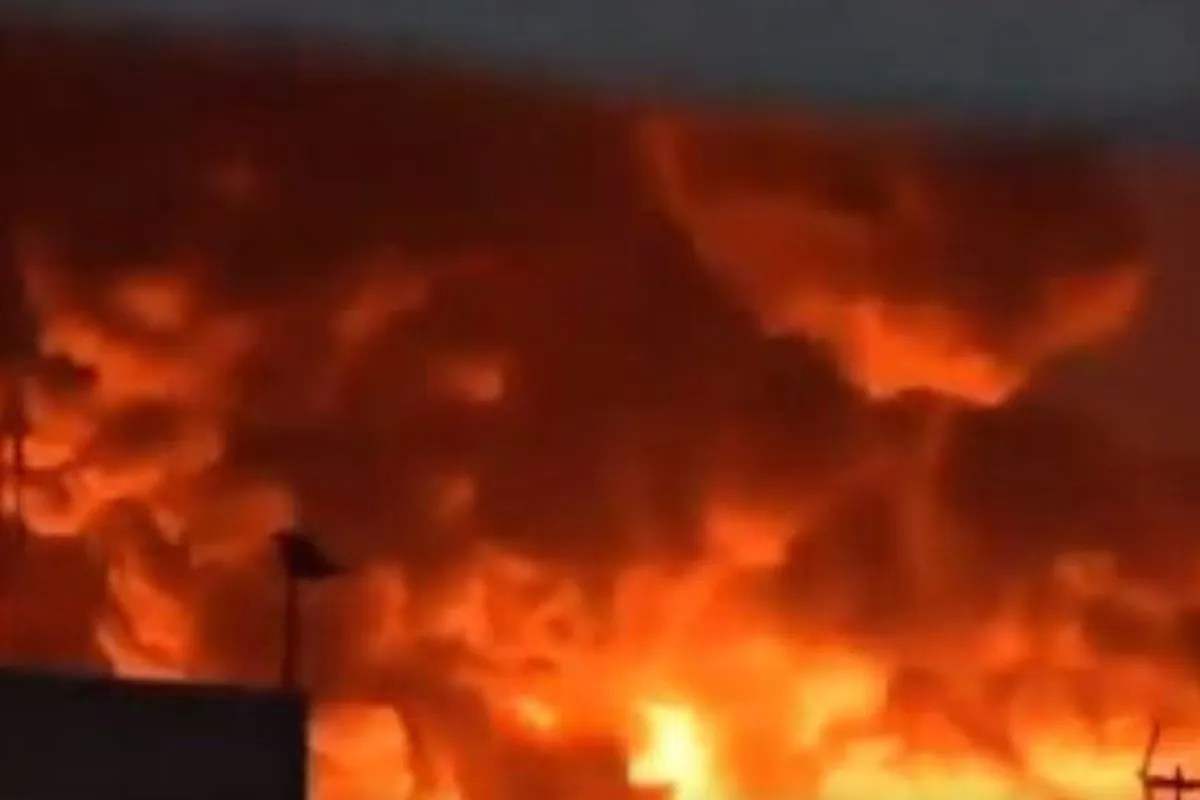
The announcement arrived without fanfare. Operation Epic Fury, the designated moniker for the intense phase of renewed U.S.-Iran hostilities, has officially drawn to a close. Yet, wars do not end simply because a ticker tape stops or a press briefing concludes. They echo outward, fracturing into new statistical classifications, new medical codes, and new burdens carried quietly by families across the country.
Consider the sheer weight of a definition. When the Department of Defense alters how it categorizes casualties in the wake of renewed engagements, it is not merely updating a database. It is drawing a line under a ledger. It is acknowledging that the nature of the violence has shifted from open kinetic shockwaves to something more protracted, more insidious, and far harder to measure.
The Anatomy of an Ending
Let us trace the trajectory of a soldier deployed into the theater of operations during the height of Epic Fury. Imagine Sergeant First Class Marcus Vance, a twenty-year veteran whose boots have touched dust in provinces most Americans cannot locate on a map. Marcus is not a rookie. He knows the sharp crack of incoming ordinance and the dull, rhythmic thrum of transport helicopters in the dead of night.
When the conflict escalated, Marcus was there. He managed logistics under the constant, humming dread of drone surveillance and missile alerts. For months, sleep was measured in fragmented minutes. Adrenaline became a permanent state of being.
Then came the cessation. The official end of Operation Epic Fury was declared in Washington. The flags did not drop; the national anthem did not play on every channel. Instead, memos circulated. New casualty tracking codes were established to account for the lingering, secondary waves of violence—the delayed trauma, the toxic exposures, the sporadic skirmishes that persist long after the primary theater cools down.
Marcus came home. His physical body returned intact. No missing limbs, no visible shrapnel scars. But wars like the one fought under Epic Fury leave behind an invisible residue. When the Pentagon creates a new casualty classification for these post-operation engagements and conditions, it is reacting to a grim reality. The battlefield does not stay neatly contained within a geographic border or a calendar quarter. It follows you home into the kitchen, into the dead silence of three in the morning, into the sudden panic induced by a car backfiring down the street.
The Cost Beyond the Bullet
We have romanticized war into clean narratives of victory and defeat. We like our conflicts bound by clear beginnings and neat conclusions. History tells us otherwise.
Throughout modern military campaigns in the Middle East, the transition from active hostilities to post-conflict stabilization has always been the deadliest illusion. The public breathes a sigh of relief. The news cycle moves on to domestic politics, economic shifts, or cultural debates. Meanwhile, the personnel who bore the brunt of the escalation are left navigating a strange, disorienting landscape where the danger has receded from the headlines but remains entirely active in their nervous systems.
The new casualty category introduced by the Pentagon is a quiet admission of this truth. It acknowledges that renewed fighting with a sophisticated adversary like Iran does not stop when the major combat operations are formally renamed or reclassified. It bleeds into cyber warfare, proxy flashpoints, retaliatory strikes, and the slow, grinding erosion of mental health among service members stationed in volatile redoubts across the region.
To understand this, one must look past the acronyms. Look at the families. Look at spouses who have learned to live with the phone permanently clutched in their hands. Look at children who grow up measuring their parents' presence in brief FaceTime calls fraught with lag and static.
When a service member is injured or killed in a theater after the marquee operation has ended, the public often experiences a jarring cognitive dissonance. Didn't that war finish? they ask, scrolling past a brief notification on their phones.
No. Wars do not finish. They mutate.
The Logic of Reclassification
Why do military planners invent new categories for casualties? Because old frameworks fail to capture new realities.
The engagements involving U.S. forces and Iranian-backed networks or direct state forces have evolved past traditional battlefield engagements. They involve precision strikes, asymmetric drone warfare, electronic interference, and sudden, isolated ambushes that defy traditional frontlines. A soldier sitting in a command bunker miles away from the physical combat zone can experience the catastrophic psychological shock of an incoming missile strike just as acutely as someone on the ground.
When those invisible wounds manifest months later as debilitating post-traumatic stress or physiological collapse from toxic burn pits and environmental hazards, the traditional casualty metrics break down. They fail to compensate. They fail to recognize.
By establishing a specific, updated tracking category for casualties linked to the aftermath of Epic Fury, the defense apparatus is attempting to catch those who fall through the cracks of a changing operational doctrine. It is an administrative band-aid over a gushing cultural wound, yes, but it is also a necessary recognition that modern conflict leaves no one untouched.
The Lingering Echo
We stand at a peculiar juncture in geopolitical history. The era of massive, multi-year ground invasions has ostensibly given way to shadow wars, automated defense networks, and high-stakes kinetic skirmishes that flare up and die down with terrifying speed.
Operation Epic Fury was a stark reminder of what happens when geopolitical friction ignites into open confrontation. It proved that despite our advanced technology, despite our satellites and intelligence apparatuses, the human element remains heartbreakingly vulnerable.
As the administrative dust settles and the new casualty classifications are integrated into military databases, the real work begins for those who wore the uniform. They must reconcile the narrative of an ended operation with the reality of their ongoing daily struggles.
The headlines will fade. The cables will pivot to the next crisis. But in quiet homes across the nation, the ledger of Epic Fury remains open, written not in ink or official policy memos, but in the enduring, quiet resilience of those who survived it.