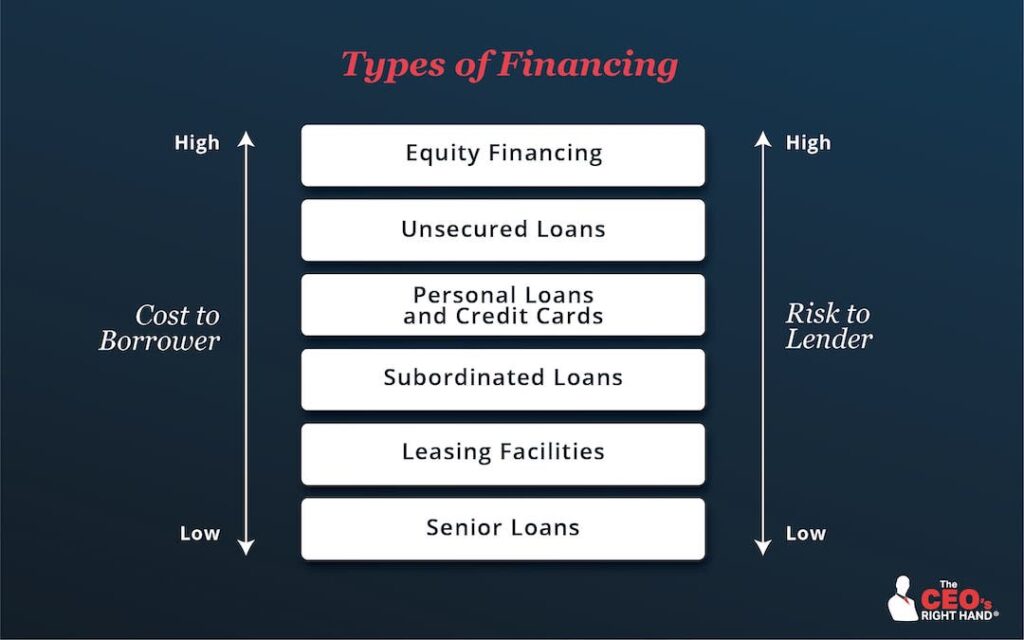
Corporate acquisitions funded through high-yield borrowing instruments alter the underlying risk profile of legacy entertainment conglomerates instantly. When a major studio takes on expensive debt to absorb a peer, management accepts immediate cash-flow compression in exchange for projected operational scale. This financial maneuver shifts the burden of proof entirely onto future cost rationalization and asset optimization. If projected cash generation falters under macroeconomic headwinds, high coupon payments constrain capital expenditure, forcing a reactive defensive posture rather than proactive market positioning.
The Cost Function of Debt-Heavy Mergers
Financing large-scale media consolidation through debt markets requires navigating strict interest coverage ratios and credit rating thresholds. When baseline borrowing costs remain elevated, corporate issuers must pay substantial premiums to entice risk-averse institutional lenders.
The immediate financial impact manifests across three distinct vectors:
- Interest Expense Inflation: Higher coupon payments divert operational cash flow away from content creation and technological upgrades toward debt servicing.
- Credit Rating Pressure: Sizable debt additions frequently trigger credit downgrades, increasing the cost of future capital raises and restricting liquidity access.
- Asset Rationalization Imperative: To service heavy interest obligations, management faces intense pressure to divest non-core assets or execute aggressive workforce reductions.
These vectors create a rigid cost structure. Unlike equity financing, which distributes ownership risk across shareholders without mandatory cash outflows, debt financing imposes non-negotiable cash payment schedules regardless of quarterly revenue fluctuations.
Capital Allocation Trade-Offs in Legacy Media
Media conglomerates operating legacy broadcast networks alongside streaming divisions face structural headwinds. Streaming operations demand continuous capital expenditure for content library expansion and platform infrastructure maintenance. When significant capital is diverted toward servicing high-cost acquisition debt, the funding available for original programming contracts diminishes.
This dynamic alters competitive positioning. Competitors unencumbered by restrictive debt covenants maintain the flexibility to bid aggressively for premier talent, sports broadcasting rights, and technological upgrades. Meanwhile, debt-burdened entities must prioritize short-term cash preservation over long-term audience retention strategies. The second limitation stems from pricing power constraints in saturated subscription markets, where raising consumer prices risks accelerated subscriber churn.
Structural Constraints on Operational Flexibility
Operating under restrictive debt agreements limits management autonomy. Creditors often impose stringent covenants stipulating minimum liquidity levels, restrictions on dividend distributions, and caps on unbudgeted capital expenditures. These operational boundaries prevent executives from executing agile pivots when consumer viewing habits shift unexpectedly.
The liquidity squeeze intensifies during periods of advertising market contraction. Because linear television advertising revenues continue to decline while streaming profitability remains volatile, cash generation streams lack reliability. When cash inflows drop below debt-service thresholds, corporate restructuring or emergency asset sales become the primary mechanisms for balance sheet stabilization.
Strategic Execution and Debt Amortization Playbook
To survive heavy debt burdens acquired during major consolidation cycles, executive teams must execute a precise sequence of balance sheet adjustments.
- Immediate Non-Core Divestiture: Identify and sell peripheral assets that do not contribute directly to core streaming or broadcasting distribution channels, directing 100 percent of proceeds toward principal reduction.
- Strict CapEx Rationing: Implement rigorous return-on-invested-capital hurdles for all content investments, eliminating marginal productions that fail to demonstrate immediate audience monetization.
- Refinancing Window Monitoring: Establish strict trigger points for debt refinancing based on yield curve shifts, locking in lower fixed rates immediately when macroeconomic conditions allow.
Management must prioritize debt amortization over share buybacks or dividend growth until credit metrics align with investment-grade parameters. Asset monetization speed determines whether the enterprise stabilizes its financial foundation or sinks under structural debt servicing costs.


