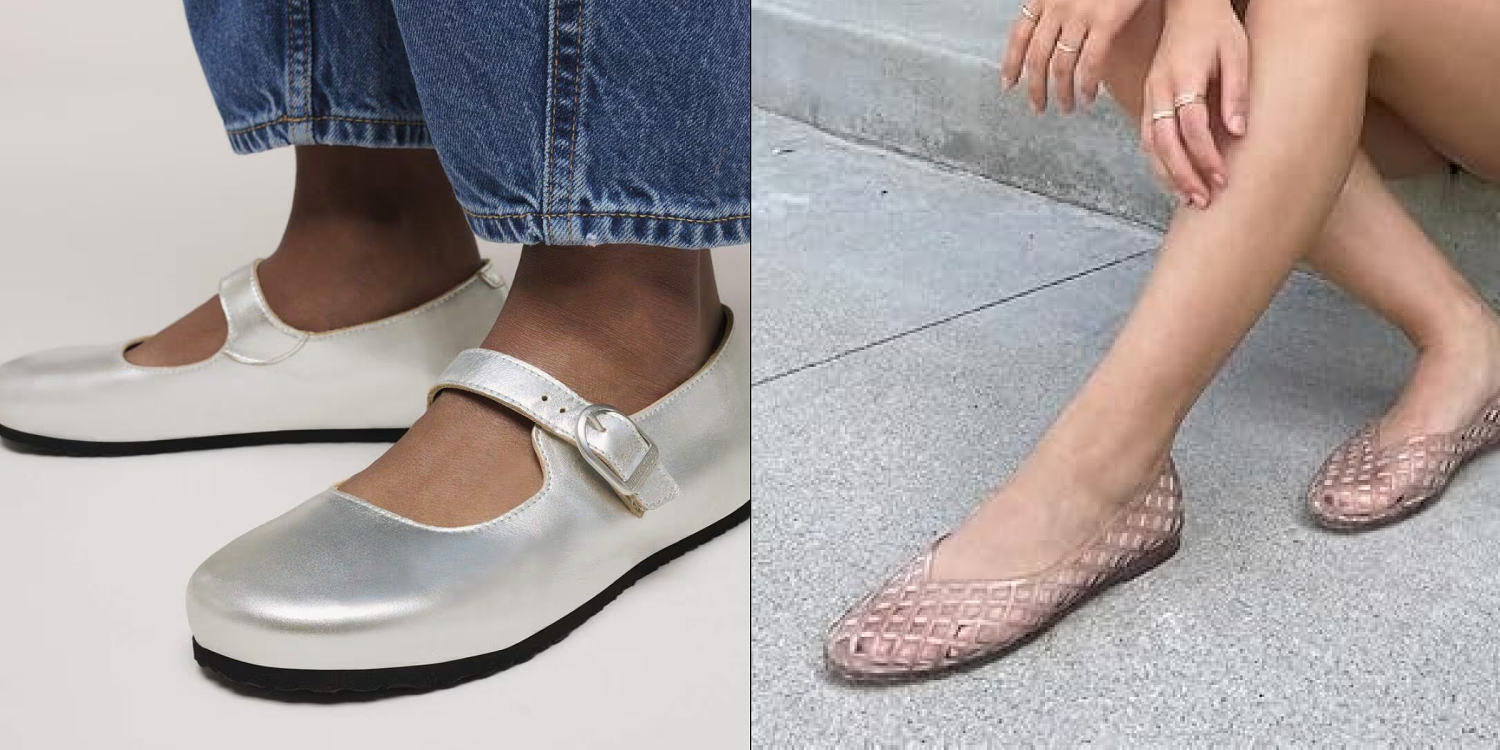
You shouldn't have to choose between flat feet at the end of the day and actually liking what is on your feet. For decades, the footwear industry forced a cruel binary upon us. You could wear flat shoes that looked chic, sleek, and completely lacked structure, guaranteeing a night of throbbing arches and lower back pain. Or you could wear orthopedic walking shoes that looked like medical equipment.
Honestly, it's a terrible choice.
Most people give up and buy cheap ballet flats from fast fashion racks, suffering through events while secretly planning to take them off under the table. That ends now. Podiatrists have been screaming about this for years: walking on completely flat, unsupportive soles on hard city concrete wrecks your plantar fascia. It flattens your natural arch, strains your tendons, and radiates pain all the way up your shins and hips.
Yet, brands finally figured out that women who care about foot health also care about aesthetics. You can actually find supportive flats that don't scream orthotic. Let's look at what actually works, why most arch support fails, and which brands are secretly saving our feet.
The Brutal Truth About Cheap Flats
Walk into any department store and pick up a standard twenty-dollar flat. Bend it in half. Twist it like a dish towel. If it offers zero resistance, put it right back down. That shoe is essentially a thin piece of cardboard wrapped in leather or synthetic fabric with a millimeter of foam glued inside.
Your feet hate it.
When you walk, your foot needs a stable platform that absorbs shock and guides your stride. Without a proper footbed, your muscles work overtime just to keep your foot stable. That is why your arches feel bruised after a two-hour grocery run.
Podiatrists point out that true arch support isn't just a tiny cushion glued under the middle of the shoe. Real support requires a contoured footbed that matches the natural curve of your foot, a slightly structured heel cup to keep your foot from sliding, and a rigid enough sole that won't bend completely in half.
What to Look For When Shopping
Shopping for supportive flats requires a shift in mindset. You have to look past the pretty leather upper and check the guts of the shoe.
First, check the removable insole trick. The best brands use removable footbeds. This lets you slide your own custom orthotics in if you need heavy-duty correction. If the insole is glued down tightly, press your thumb hard into the arch area. Does it squish down to nothing, or does it push back with firm resistance? You want resistance.
Second, pay attention to the toe box and heel. Pointed-toe flats look amazing, but if they cramp your toes, you're trading plantar fasciitis for bunions. Look for almond-shaped toes or brands that offer wide widths. Also, a tiny half-inch heel makes a massive difference compared to a zero-drop flat. That slight elevation takes massive tension off your Achilles tendon.
Brands That Get It Right
Let's talk about the specific companies bridging the gap between podiatry clinic and runway chic.
Vionic is basically the gold standard for built-in biomechanics. They started as a podiatrist-designed brand, but their recent style revivals mean you can buy pointed loafers and slingbacks that look genuinely high-end while packing a serious orthotic punch. Their concealed orthotic technology is molded directly into the midsole, so you don't look like you're wearing medical gear.
Rothy's takes a different approach. While their classic pointed flats don't have massive structural arch support out of the box, their newer insoles and structured knit fabrics offer decent flexibility without collapsing. Many people slide thin arch inserts right into them because the washable knit material is so forgiving.
Birdies built their entire brand on the premise that slippers shouldn't stay indoors. Their secret weapon is a seven-layer cloud cushion technology with built-in arch support. They look like glamorous smoking slippers or chic mules, but they feel like athletic sneakers underneath. If you stand for a living, these are a lifesaver.
Margaux approaches the problem from a luxury craftsmanship angle. They don't just glue a pad inside; they use plush foam padding from heel to toe with a supportive core, and they offer multiple width options. When a shoe actually fits the width of your foot, the arch support lands in the exact right spot instead of digging into the wrong place.
How to Fix the Flats You Already Own
Maybe you already bought a dozen gorgeous flats that lack any semblance of support, and you aren't ready to throw them away. Don't worry. You don't have to trash your wardrobe.
Stick-on arch cushions exist for this exact reason. Brands like PowerStep and Foot Petals make slim, discrete orthotic inserts designed specifically for low-profile shoes.
Here is the trick: buy leather-topped or gel slim inserts that adhere to the heel or arch. Avoid bulky full-length insoles unless your flats are a half-size too big, otherwise your toes will get jammed painfully into the front. Clean the inside of the shoe with a bit of rubbing alcohol, let it dry completely, and press the support firmly into place. It transforms a useless fashion shoe into a tolerable daily runner.
Breaking Free From Foot Pain
Foot pain sneaks up on you. You ignore a dull ache on Tuesday, and by Saturday you can barely walk across the kitchen floor. Stop accepting sore feet as the price of dressing well.
Check your current shoe collection right now. Bend them. Twist them. Toss out the flimsy paper-thin soles that offer nothing. Invest in two or three pairs of properly engineered flats with real structural integrity. Your posture, your lower back, and your feet will thank you before the week is even over.