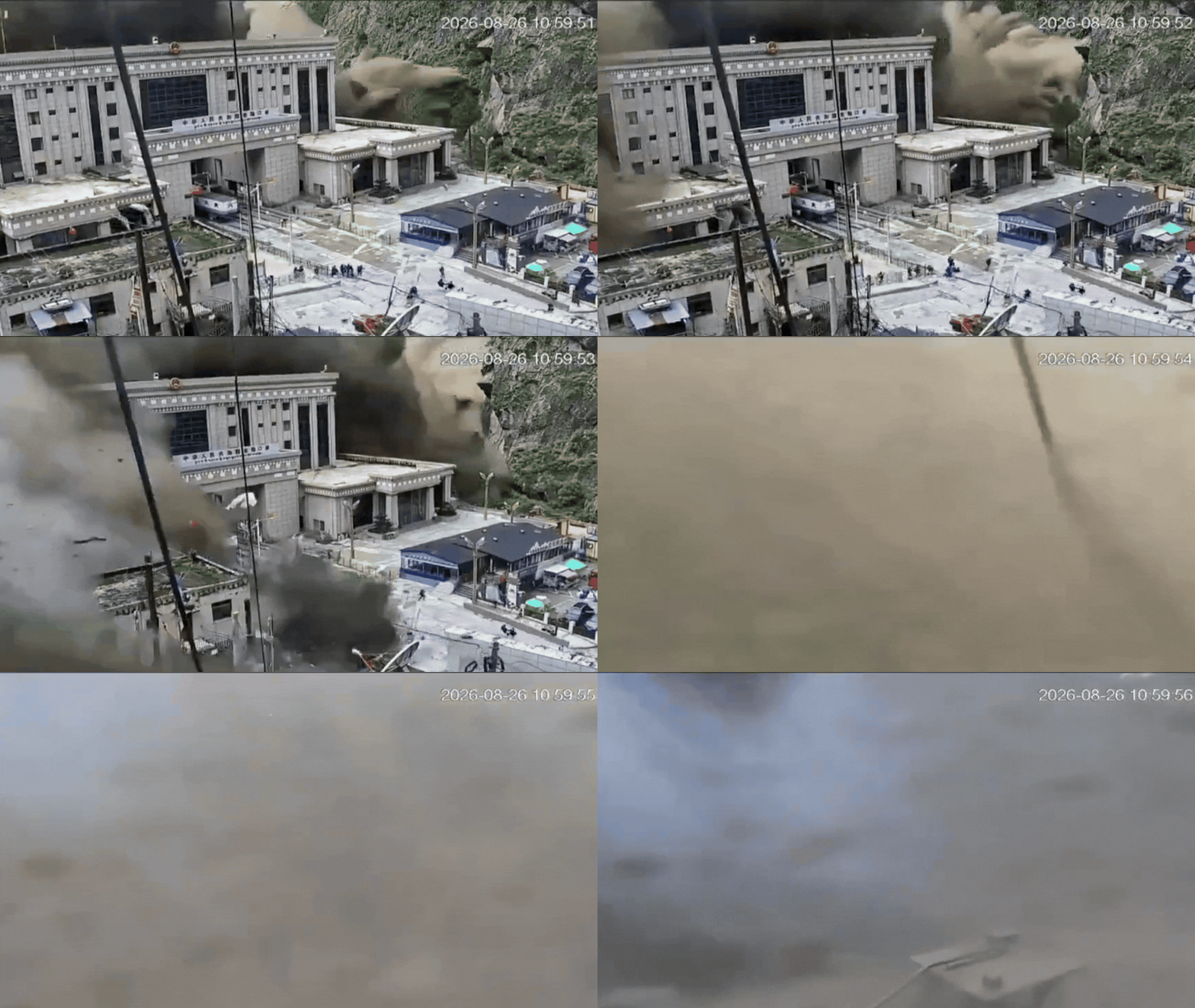
Muddy torrents are tearing through mountain streets again, and nobody who lives near the slopes is surprised. When violent storms hit regions like Khenifra and surrounding areas in Morocco's Atlas Mountains, the water doesn't soak in gently. It races off dry, steep terrain with terrifying speed, turning quiet valleys into raging brown rivers within minutes.
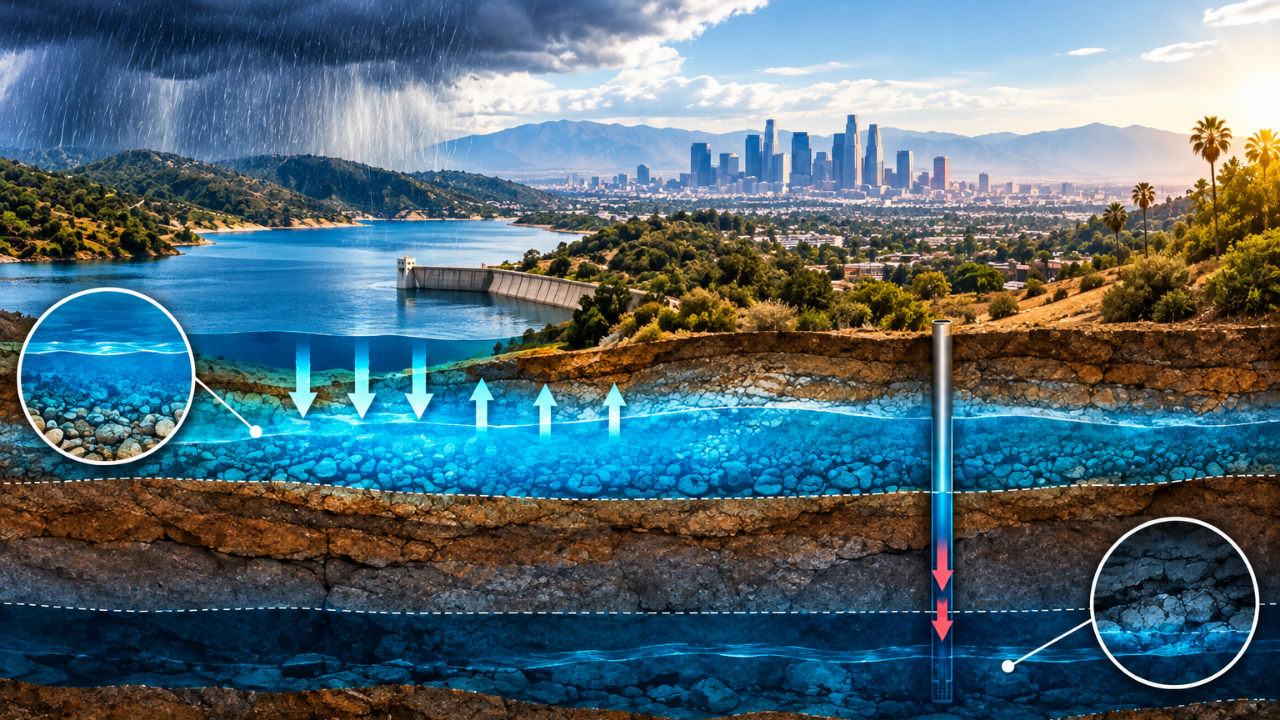
If you've ever watched a flash flood unfold in an arid environment, you know standard drainage systems stand zero chance. Years of dry spells bake the soil into a concrete-like crust. When torrential rain finally breaks the drought, the earth refuses to drink. The liquid stays entirely on the surface, pooling, gathering velocity, and crashing down toward towns and villages built along natural drainage paths.
Why the Atlas Mountains Are a Flash Flood Trap
Geography dictates disaster here. The Atlas range features steep, rocky inclines with sparse vegetation in many lower zones. When heavy cloudbursts occur, rainfall funnels directly into narrow wadis and dry riverbeds. These channels can stay bone-dry for months, lulling people into a false sense of security, before filling to the brim in a heartbeat.
Take what happened recently in central Morocco. Footage from areas like Khenifra showed vehicles being tossed around like toys as water levels rose sharply. It mirrors the broader vulnerability haunting North African infrastructure. Storms are growing sharper and more erratic, hitting regions that spent years dealing with extreme water scarcity.
The Brutal Reality of Climate Whiplash
You hear a lot about climate change in abstract terms, but on the ground in Morocco, it looks like brutal whiplash. One season brings empty reservoirs and withered crops after years of stubborn drought. The next brings sudden walls of water that overwhelm municipal defenses, flood historic quarters, and wash out rural roads.
Communities in Safi and parts of the interior learned this lesson the hard way when previous downpours killed dozens and wrecked homes. Critics often point fingers at delayed emergency responses or aging infrastructure, but the raw physics of a flash flood leave very little margin for error. Even well-funded cities struggle when millions of gallons of water slam into narrow urban alleys at once.
Protecting Mountain Communities Before the Next Storm Hits
If you are tracking how vulnerable regions adapt to these weather extremes, the solutions aren't glamorous. They require hard, unsexy engineering choices and better early warning systems.
- Mapping Risk Zones: Local authorities must restrict building permits in historical flood paths, regardless of population pressures.
- Upgrading Catchment Basins: Building small check-dams upstream helps slow down the velocity of water before it reaches densely populated valleys.
- Community Alert Networks: Mobile-based early warning alerts need to reach remote mountain villages instantly, cutting down the delay between cloudburst and evacuation.
Weather patterns aren't going to stabilize anytime soon. Mountain residents know they have to stay alert, watch the peaks for sudden dark clouds, and treat every heavy downpour with absolute caution.