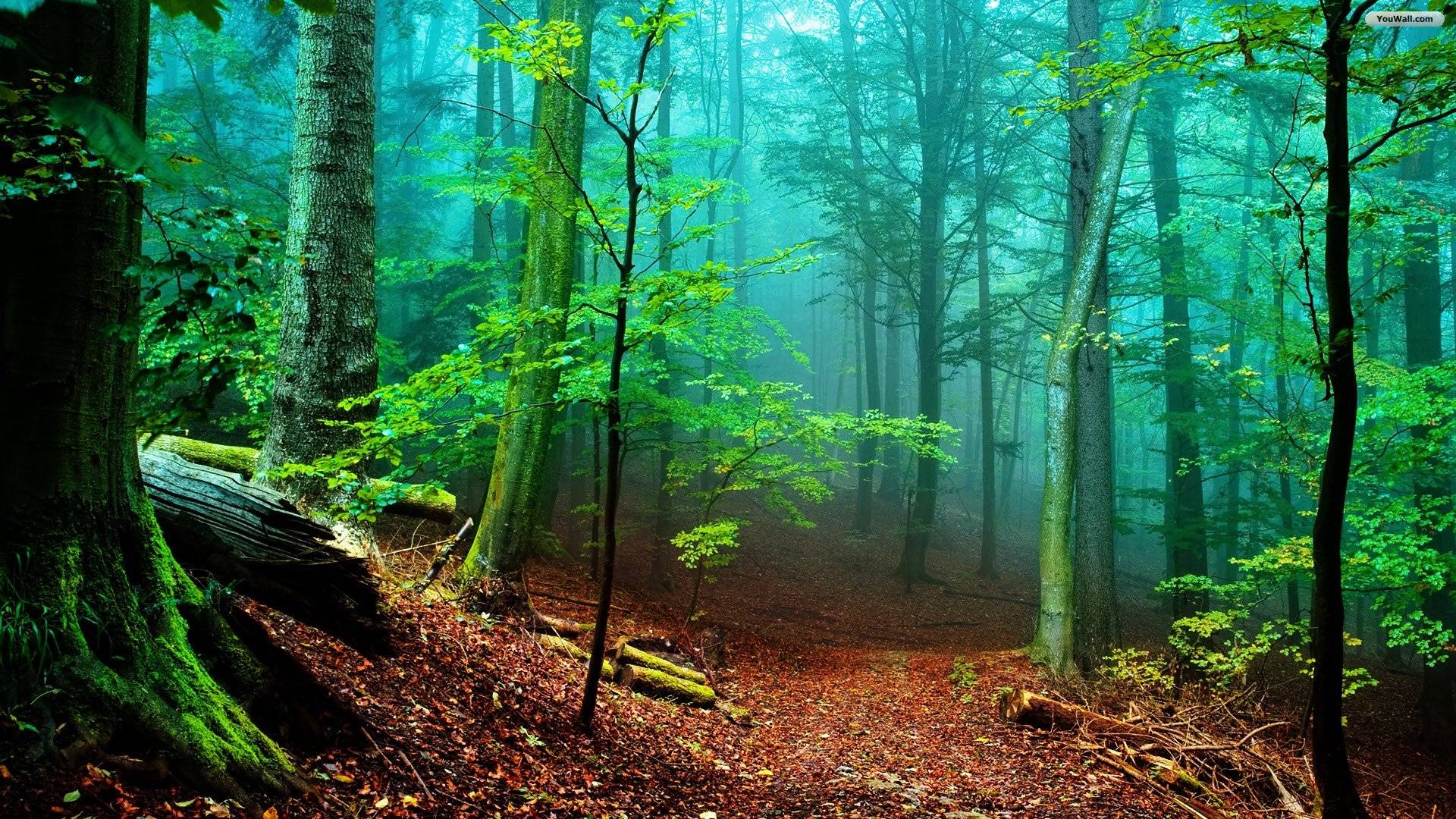
The frost arrives early in the taiga, painting the birch trunks in a brittle, silver glaze before the first true snow can anchor the ground. Down by the riverbank, where the willow thickets crowd the dark water, the air smells of wet iron and decaying cedar. It is a quiet world, or at least it used to be. Now, the silence is punctuated by a new kind of terror—one that does not breathe, does not bleed, but leaves very real tracks in the mud.
Consider Nikolai. He is sixty-four, with hands like cured leather and a beard that smells permanently of woodsmoke and old wool. For four decades, he has walked the timbered ridges of Siberia alone, checking traps, reading the sign of the snowshoe hares, and keeping a wary, respectful distance from the brown bears that share his home. He knows how a bear moves. He knows the heavy, rhythmic thud of a two-hundred-kilogram boar parting the brush, the wet snap of deadfall, the hot, musky scent hanging heavy in the damp air.
Last autumn, Nikolai heard a bear three hundred meters from his cabin.
Except it wasn't a bear. Or rather, it was a bear, but it was also a ghost born of ones and zeros.
On the tree line, half-hidden behind a screen of dwarf pines, something flickered. The digital outline of a massive Eurasian brown bear materialized on a low-resolution public feed, lumbering toward a local settlement with unnatural, stuttering precision. The local authorities, terrified by a sudden surge of real, aggressive animal encounters driven by shrinking forest habitats, had rushed out an automated surveillance network. They deployed AI-driven monitoring systems—software trained to scan thousands of trail cameras and drone feeds to flag predators before they reached village outskirts.
The algorithm worked, technically. It saw pixels moving in a brush line. It calculated mass, speed, and silhouette. And then, choking on the blur of autumn fog and falling leaves, it hallucinated.
It projected a phantom panic.
Across regional channels, automated alert systems began shrieking. Phones buzzed in pockets from Irkutsk to the edge of the Arctic Circle. A wave of digital phantoms—AI-generated bear alerts, distorted video glitches amplified by panic algorithms, and synthetic warnings—flooded local communication lines. People barricaded their doors. Schools canceled recess. And out in the woods, Nikolai stood frozen with his rifle uncocked, staring at an empty patch of moss where the screen said a monster was tearing through the brush.
The irony is sharp enough to draw blood. In our rush to tame the wilderness with digital sentinels, we have populated it with monsters of our own design.
We live in an age that demands absolute safety. We want algorithms to watch the dark corners of the world, to parse the chaotic rustle of the leaves and tell us instantly whether we are breathing the air of a sanctuary or standing in the jaws of danger. But nature does not code neatly. A falling branch mimics a lunging paw. A patch of wind-blown shadow resembles a massive shoulder hump. When artificial intelligence is forced to stare into the unpredictable, messy heart of the natural world, it does not see clarity. It sees patterns where none exist, and in doing so, it invents threats that feed on our deepest, most ancient anxieties.
This is the hidden cost of our digital armor. Every time we outsource our vigilance to a machine, we inherit its blind spots. The recent crackdowns on erratic AI detection models—rushed out by municipal governments desperate to stem the rising tide of actual human-wildlife conflicts—reveal a desperate scramble. As climate shifts push starving wildlife closer to human outposts, real attacks are indeed on the rise. Real bears are wandering into suburban trash heaps. Real people are getting hurt.
Yet, instead of investing in boots on the ground, wildlife biologists, and robust physical infrastructure like secure waste management and ecological corridors, we bought software. We bought the illusion of total oversight.
Walk through any modern municipal operations center, and you will see the modern altar. Rows of glowing monitors cast a cold blue light over faces drained of color. Technicians sit in ergonomic chairs, staring at dashboards that pulse with red and amber warnings. A server rack hums in a climate-controlled back room, processing petabytes of compressed video from remote wilderness cameras.
To the software engineer in a glass-walled office three thousand miles away, the system is a triumph of computer vision. It is a neural network trained on millions of annotated images, optimizing weights and biases to achieve a ninety-eight percent accuracy rating in controlled laboratory environments.
To Nikolai, sitting on his porch with a mug of chicory tea, the system is a siren song that cries wolf while the real wolves are already at the sheepfold.
The breakdown happens in the translation between the digital map and the muddy territory. A neural network understands the world as a probability distribution. It reduces a magnificent, terrifying apex predator—a creature with a heartbeat, a memory, a specific hunger born of a barren berry crop—into a bounding box with an associated confidence score. Brown bear: 0.89 probability.
When that score crosses an arbitrary threshold, the machinery of modern bureaucracy kicks into gear. Sirens wail. Databases update. Automated push notifications trigger panic in thousands of human chests simultaneously. We have built a society that reacts to mathematical probabilities with visceral, biological terror.
Consider what happens when this cycle repeats.
First comes the compression. A wildlife camera captures a grainy, underexposed snapshot of a forest floor at dusk. The camera's onboard processor compresses the file to save bandwidth, stripping away color depth and fine texture.
Second comes the interpretation. The AI model, hungry for data, attempts to reconstruct meaning from digital noise. A cluster of dark pixels becomes a snout; a vertical shadow becomes a leg.
Third comes the escalation. Because false negatives—missing a real bear—are politically catastrophic for the software developers and local officials who bought the system, the algorithms are tuned for maximum sensitivity. They are built to cry wolf. Better a thousand false alarms than one missed tragedy.
And so the boy who cried wolf is no longer a fable. He is a multi-layered convolutional neural network running on a server farm, whispering phantom threats into the collective ear of a populace already living on the edge of environmental exhaustion.
We are forgetting how to live with uncertainty. The wilderness was never safe. That was always the point. It was a place where human beings learned humility, where we kept our senses sharp, where we listened to the wind and looked for broken twigs not because an app told us to, but because our survival depended on our own direct engagement with reality.
When we replace that ancient, hard-won intuition with a glowing screen, we do not become safer. We become brittle. We trade the visceral, manageable fear of the real world for the chronic, paralyzing anxiety of a system that is constantly hallucinating disaster.
Down by the river, the mist is rising again. The birch trees stand like silent judges against the darkening sky. Nikolai stands up, taps the ash from his pipe into the cold earth, and walks toward the tree line. He doesn't have a smartphone in his pocket. He doesn't have an app pinging him with risk assessments or probability scores.
He just has his eyes, his ears, and the deep, abiding knowledge of a world that refuses to be reduced to code. Behind him, miles away in a city office, a server fan whirs softly in the dark, calculating the next ghost in the machine.