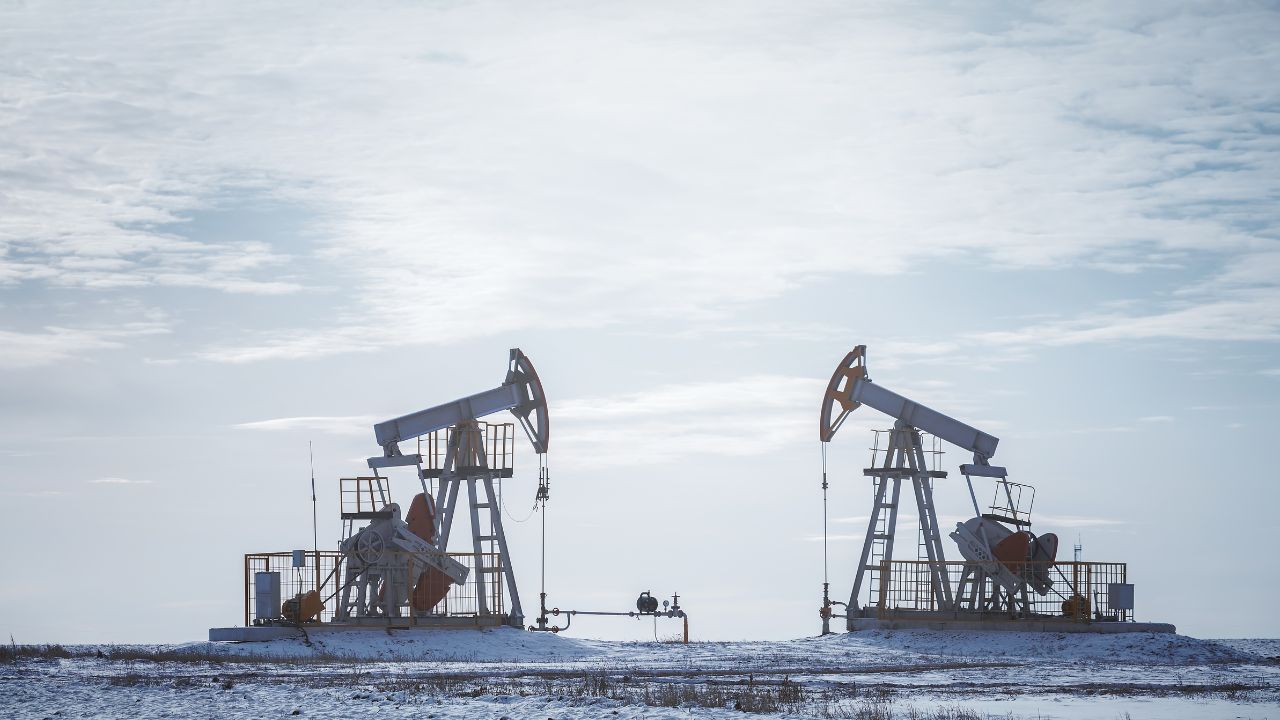
Oil prices just did something they haven't done in years. They screamed past $118 a barrel in a single morning. With the Strait of Hormuz basically a no-go zone and the Middle East in a full-blown crisis, you'd think the Group of Seven (G7) would be sprinting to the emergency taps. But they aren't.
On Monday, March 9, 2026, the world's most powerful finance ministers hopped on a call and decided to sit on their hands. Despite the International Energy Agency (IEA) practically begging them to flood the market with 300 million barrels, the G7 gave it a hard "not yet."
It's a gamble. A massive one. If they're wrong, you'll be paying $5 a gallon at the pump by next Tuesday. If they're right, they're saving their biggest bullets for a fight that hasn't even peaked yet.
The 90 Day Safety Net is Leaking
The European Union likes to talk about its 90-day rule. On paper, every member state has to keep enough crude or refined product to last three months without a single drop of new imports. It sounds like a lot. In reality, it’s a psychological cushion that’s starting to feel pretty thin.
I've seen how these "90 days" work. It isn't 90 days of normal life. It’s 90 days of emergency rationing, grounded flights, and restricted trucking. The EU says they're fine, but they're watching the clock.
- The US situation: The Strategic Petroleum Reserve (SPR) is sitting at roughly 415 million barrels. That’s a far cry from its 700-million-barrel capacity.
- India’s stance: They’ve already bowed out of the release plan. Their logic? "The crisis isn't our creation." They're keeping their 5.33 million tonnes for themselves.
- The China factor: Beijing is quietly activating its own emergency measures because they buy 5.4 million barrels a day that usually pass through Hormuz.
The G7 isn't refusing to release oil because things are good. They're refusing because they're terrified of what happens if they use 25% of their reserves now and the war lasts six months. You don't empty your fire extinguisher when the kitchen is just starting to smoke.
Why $120 Oil is the New Floor
Brent crude hitting $118 wasn't a fluke. It was a reaction to the absolute closure of the world's most important chokepoint. About 20% of the world's daily oil demand—20 million barrels—goes through that narrow strip of water.
When that stops, the math gets ugly fast.
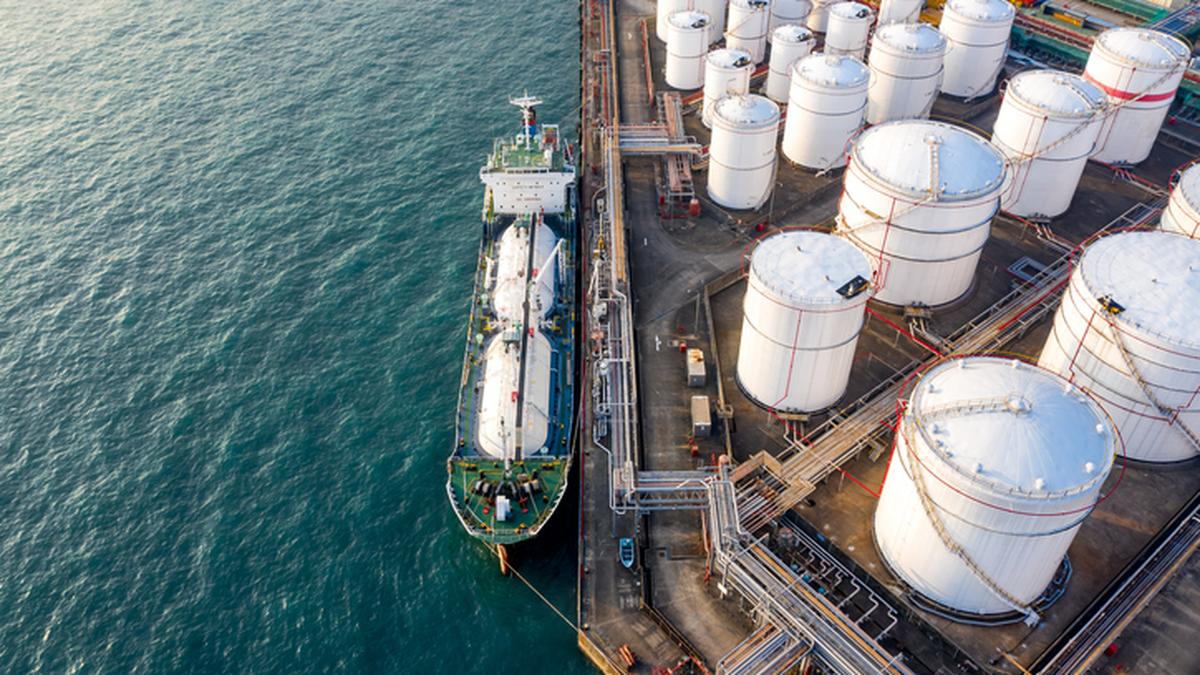
Goldman Sachs is already warning about $150 a barrel by the end of March. They aren't being alarmists; they're looking at the physical reality. Storage tanks in Saudi Arabia and the UAE are hitting their limits because they can't ship the stuff out. If you can't ship it, you have to stop pumping it. Once you shut down an oil field, you don't just "flip a switch" to get it back to 100%.
The market is currently pricing in a deficit of 20 million barrels per day. That’s 17 times larger than the shock we saw when Russia invaded Ukraine in 2022.
The Trump Strategy vs The IEA
There’s a clear rift between the experts at the IEA and the political leadership in the US. The IEA wants a coordinated strike—a massive release to shock the speculators and force prices down.
President Trump is taking a different path. He's betting that the "Iran nuclear threat" will be neutralized quickly. He posted on Truth Social that short-term price hikes are a "small price to pay" for long-term safety. He’s essentially telling the market to suck it up.
It’s a high-stakes game of chicken with the global economy. If the war drags on and the G7 keeps the reserves locked up, we aren't just looking at expensive gas. We're looking at a total collapse of the airline industry and a massive spike in food prices because fertilizer and freight costs are tied directly to the barrel.
What You Should Actually Do
Stop waiting for the government to "fix" the price at the pump. The G7 just proved they aren't coming to save the day this week.
If you're running a business that depends on logistics, lock in your fuel contracts now. Don't wait for $150 oil to realize the "90-day supply" the EU brags about doesn't actually lower your costs.
Check your local heating oil or propane levels. If you're in a region that relies on these, top off while the price is still "only" $100-range. The volatility we're seeing right now means a $10 jump in 24 hours is the new normal.
Monitor the IEA's next move. If they break rank and the US starts a unilateral release, that's your signal that the internal data is much worse than the public "we're fine" statements.
Keep an eye on the insurance markets for tankers. When those premiums drop, the oil will flow. Until then, keep your own "strategic reserve" of cash ready for a very expensive spring.