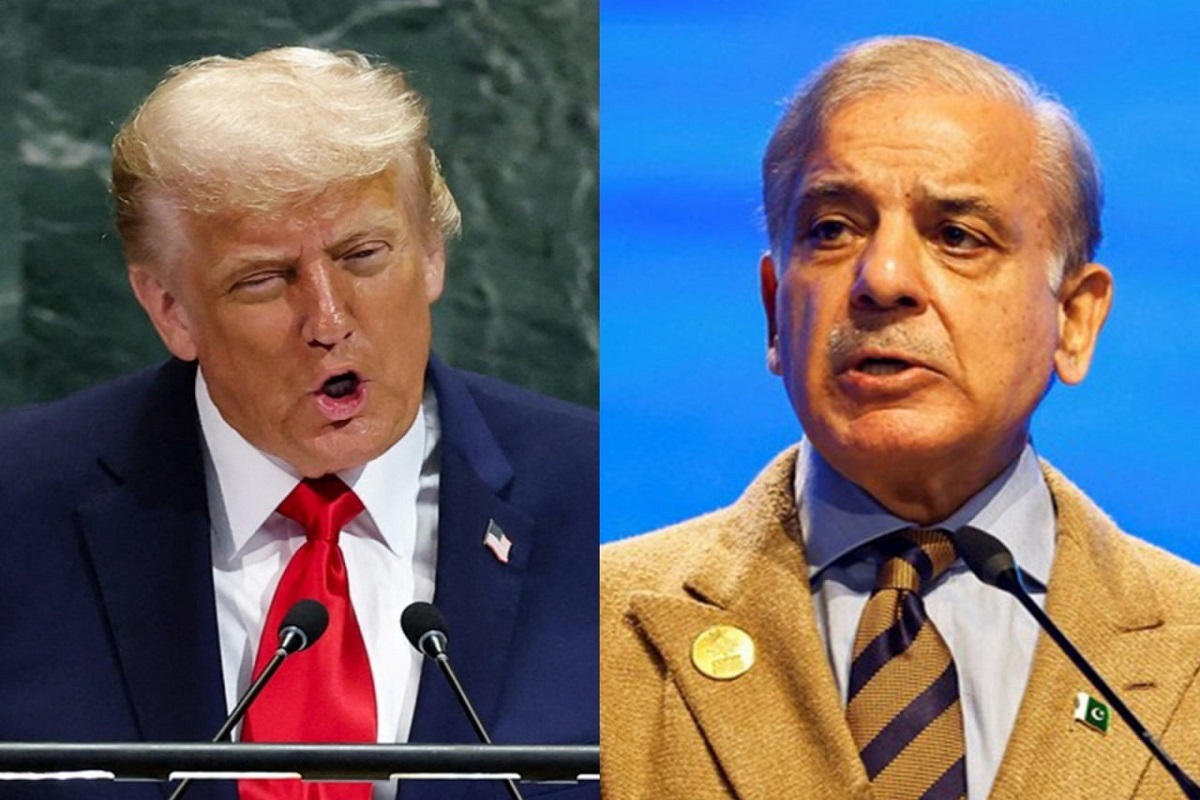
The United States diplomatic apparatus has pivoted toward a strategy of coercive mediation, utilizing Pakistan as a primary lever to influence Iranian regional policy. Recent reports indicating Washington’s pressure on Islamabad to facilitate a ceasefire with Tehran reveal a sophisticated shift in South Asian power dynamics. This is not merely a request for diplomatic assistance; it is a calculated deployment of Pakistan’s unique position as a bordering nation with deep, albeit strained, historical and security ties to both parties. The objective is the stabilization of the Middle East through an outsourced diplomatic channel that bypasses the direct-engagement friction characteristic of US-Iran relations.
The Trilateral Interdependency Matrix
Understanding this maneuver requires a breakdown of the three primary vectors influencing the current diplomatic pressure.
- The Creditor-Debtor Vector: Pakistan’s internal economic instability makes it highly susceptible to US influence through international financial institutions. This economic vulnerability acts as a functional prerequisite for the US to demand high-stakes diplomatic intervention.
- The Border Security Variable: The 900-kilometer border between Pakistan and Iran serves as a friction point. For the US, activating Pakistan to de-escalate with Iran isn't just about regional peace; it is about neutralizing a potential secondary theater of conflict that could distract from broader Indo-Pacific and European strategic priorities.
- The Proxy Neutralization Objective: Washington views Islamabad as a credible messenger capable of communicating the "red lines" of American policy to Tehran without the inflammatory rhetoric of public sanctions or military posturing.
Mechanics of Diplomatic Coercion
The US strategy operates through a mechanism of conditional support. By linking Pakistan’s performance as a regional mediator to its standing in Western-led financial and security architectures, the US creates a high-stakes environment where Islamabad cannot remain neutral. This is not a "request" in the traditional sense; it is a realignment of expectations for a strategic partner.
The logic follows a binary progression. If Pakistan succeeds in bringing Iran to a ceasefire or de-escalation posture, it secures its own western flank and gains "strategic credit" with Washington. If it fails, or refuses to engage, it risks losing the critical support required to manage its ongoing internal crises and its contentious eastern border.
Strategic Bottlenecks and Failure Points
Any analysis of this US-Pakistan-Iran triangle must account for three structural limitations that threaten the efficacy of this mediation.
The Sovereignty-Stability Paradox
Islamabad faces a fundamental tension. Complying too overtly with American demands risks a domestic backlash and further complicates its relationship with a neighboring Iran that is increasingly integrated into the China-Russia axis. To maintain internal stability, Pakistan must frame its mediation as an independent pursuit of regional peace rather than a directive from Washington. Any perception of "outsourced diplomacy" degrades the credibility of the message being delivered to Tehran.
The Iranian Autonomy Factor
Tehran’s decision-making process is not purely reactive to external diplomatic pressure. Iranian foreign policy is governed by a long-term strategy of "Strategic Depth," which often involves utilizing regional instability to create leverage. Pakistan’s influence over Iran is limited by the fact that Tehran views the US as an existential adversary. No amount of Pakistani mediation can bridge that gap unless the US offers tangible concessions—something Washington has shown little appetite for in the current political climate.
Information Asymmetry in the Region
The intelligence apparatuses of all three nations operate with conflicting data sets. While the US might view a ceasefire as a pathway to regional containment, Iran may view it as a tactical pause to regroup, and Pakistan may see it as a temporary solution to avoid a two-front security dilemma. Without a shared definition of what a "ceasefire" or "stability" looks like, the diplomatic efforts remain superficial.
Quantifying the Cost of Non-Compliance
For Pakistan, the cost function of ignoring US pressure is high. It includes:
- A hardening of terms for future IMF and World Bank negotiations.
- Reduced access to high-end military technology and maintenance programs.
- Potential secondary sanctions if trade with Iran violates existing US restrictions.
Conversely, for the US, the risk of failure is a complete breakdown of the "buffer zone" strategy. If Pakistan is unable or unwilling to act as an effective intermediary, the US is forced back into a position of direct confrontation or complete withdrawal, both of which have high political and military costs.
Regional Realignment and the China Variable
One cannot analyze US-Pakistan relations regarding Iran without acknowledging the shadow of Beijing. China is a major stakeholder in both Iranian energy and Pakistani infrastructure. The US move to pressure Pakistan is, in part, an attempt to reclaim influence in a space where China has recently excelled as a mediator (evidenced by the Saudi-Iran normalization).
Washington is testing whether the "security-financial" lever it holds over Pakistan is more potent than the "infrastructure-investment" lever held by China. This creates a competitive mediation environment where Pakistan is the primary prize. If the US can force a ceasefire through Pakistan, it demonstrates that its security guarantees and financial influence still outweigh Chinese economic diplomacy in critical geostrategic junctions.
Operational Realities on the Ground
The actual execution of this pressure involves high-level military-to-military communication. In the Pakistani political structure, the military remains the final arbiter of foreign policy, particularly concerning Iran and the US. Therefore, the "pressure" reported is likely being applied through the GHQ in Rawalpindi rather than the civilian government in Islamabad. This direct channel ensures that any diplomatic signaling sent to Tehran is backed by the credible threat of security realignment.
The specific demands likely center on:
- Intelligence Sharing: Increased transparency regarding cross-border militant movements that Iran could use as a pretext for escalation.
- Economic Throttling: Discouraging the progress of the Iran-Pakistan gas pipeline, which serves as a major potential revenue stream for a sanctioned Tehran.
- Border Management: Establishing "buffer protocols" to prevent localized skirmishes from escalating into state-level conflicts.
The Strategic Play
The immediate trajectory suggests a period of intense, quiet diplomacy where Pakistan attempts to balance American demands with Iranian sensitivities. The US will likely maintain a posture of "calculated ambiguity," providing just enough support to keep the Pakistani economy afloat while keeping the threat of withdrawal on the table.
For Islamabad, the strategic recommendation is a policy of "Staged Compliance." This involves meeting minor US demands (such as high-level meetings and public statements supporting peace) while delaying on major structural shifts (like total border closure or pipeline cancellation) that would permanently alienate Tehran. This allows Pakistan to extract maximum financial concessions from the West while maintaining a working relationship with its neighbor.
For Tehran, the response will likely be "Asymmetric De-escalation"—agreeing to certain ceasefire terms in non-critical sectors while maintaining operational readiness in others. This preserves Iranian influence while removing the immediate pretext for a US-led or US-supported intervention via the Pakistani border.
The success of this US maneuver depends entirely on whether Washington can offer Pakistan a sustainable alternative to the economic and security benefits of its relationship with Iran and China. Without a long-term financial and security commitment that exceeds the risks of Iranian retaliation, Pakistan’s role as a mediator will remain transactional and fleeting.


