The prevailing assumption that military friction between Israel and Iran must inevitably scale into a theater-wide conflict ignores the structural constraints currently dictating American and Israeli foreign policy. While media narratives focus on the immediate rhetoric of "retaliation," a cold-eyed analysis of the strategic landscape reveals a deliberate suppression of kinetic action. This suppression is not born of pacifism but of a calculated alignment between Washington and Jerusalem regarding the diminishing returns of a high-intensity strike on Iranian soil. The logic governing this restraint rests on three pillars: domestic economic stability, the architectural limits of regional missile defense, and the transition of Iranian nuclear capabilities from a "threshold" to a "latent" status.
The Economic Barrier to Full-Scale Kinetic Intervention
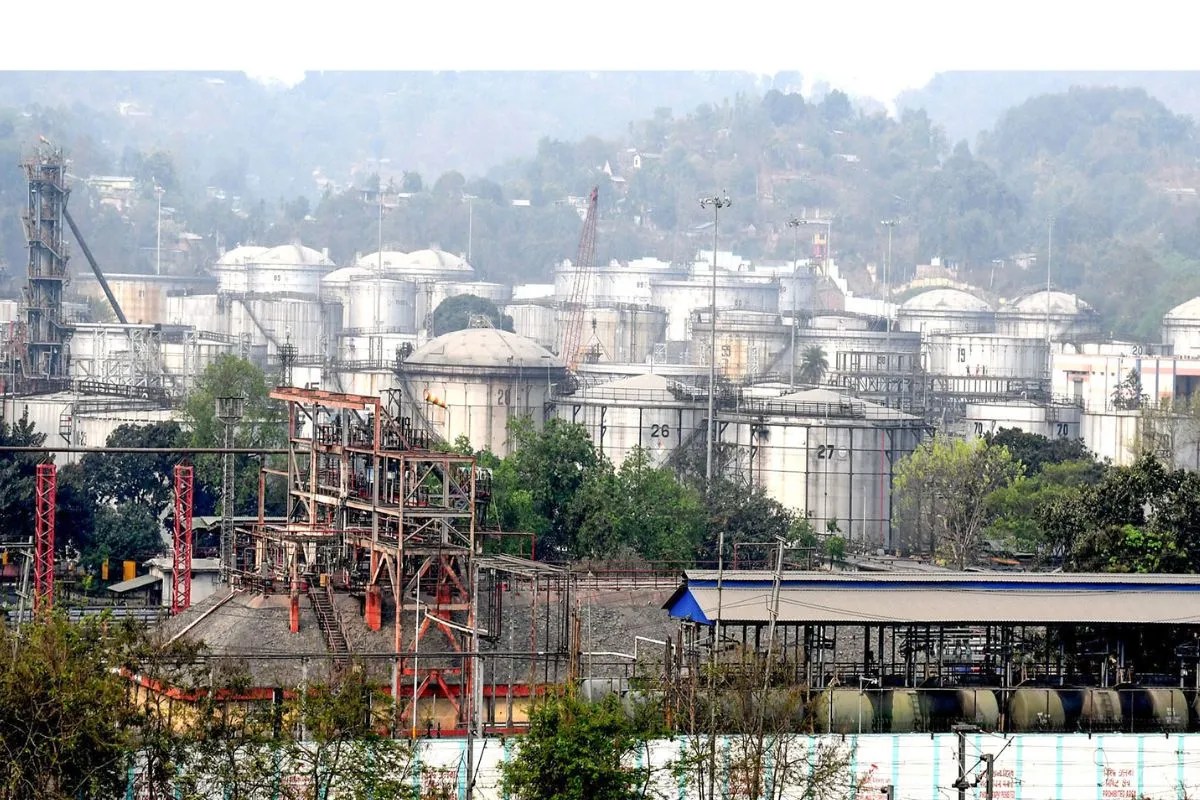
Modern warfare is a function of logistical and economic endurance. For the United States, the primary deterrent against a massive Israeli strike on Iran is the potential for a global energy shock. The Strait of Hormuz remains the single most critical chokepoint in global energy markets, with approximately 20% of the world's total oil consumption passing through it daily. Any Israeli operation that triggers an Iranian "asymmetric surge"—mining the strait or targeting Saudi extraction facilities—would result in a localized supply vacuum.
Economically, the impact follows a predictable trajectory:
- The Risk Premium Spike: Global Brent crude prices react not to the actual destruction of barrels, but to the perceived threat to future supply.
- The Inflationary Feedback Loop: In a high-interest-rate environment, a secondary energy shock would force central banks to maintain restrictive policies longer than projected, risking a hard landing for Western economies.
- The Maritime Insurance Barrier: War risk insurance premiums for tankers in the Persian Gulf would likely become prohibitively expensive, effectively halting trade even if the strait remains physically open.
For an American administration, the political cost of $5-per-gallon gasoline outweighs the strategic benefit of a degraded Iranian military infrastructure. This creates a hard ceiling on the level of American support for any Israeli plan that involves hitting Iran’s "crown jewel" assets, such as oil refineries or the Kharg Island terminal.
The Calculus of Integrated Air Defense (IADS)
The April 2024 exchange between Iran and Israel demonstrated a fundamental shift in regional security: the emergence of a functional, multinational Integrated Air Defense System (IADS). This system, while technically superior, operates on a specific cost-to-benefit ratio that limits its long-term viability in a sustained war.
Interception mechanics reveal a deep asymmetry. An Iranian-manufactured Shahed-136 drone costs approximately $20,000 to $50,000. In contrast, an Israeli Tamir interceptor (Iron Dome) costs roughly $50,000, and a David’s Sling interceptor or an American SM-3 can cost between $1 million and $10 million per unit. If Israel were to engage in a prolonged exchange, the "interception-to-launch" cost ratio would eventually bankrupt the defensive posture or deplete the available magazine of high-end interceptors.
By signaling that a major attack is not forthcoming, the United States is preserving the "deterrence by denial" capability of its allies. A major strike would force Iran to empty its silos in a saturated attack, potentially overwhelming the current inventory of interceptors. Maintaining a "low-boil" conflict allows the West to restock and upgrade these systems without facing a terminal saturation event.
The Nuclear Latency Paradox
The strategic rationale for an Israeli strike has historically been the "Begin Doctrine"—the stated policy that Israel will not allow an enemy state in the Middle East to acquire weapons of mass destruction. However, the technical reality of the Iranian nuclear program has evolved beyond the point where a single strike can "reset" the clock.
Iranian enrichment facilities at Fordow and Natanz are deeply hardened or buried under significant mountainous overburden. A conventional strike might delay the program by 12 to 24 months, but it cannot destroy the "know-how" or the decentralized centrifuge manufacturing nodes. This creates a strategic bottleneck. If Israel strikes and fails to permanently end the program, Iran gains the perfect geopolitical justification to withdraw from the Non-Proliferation Treaty (NPT) and rush toward a weapon as a matter of national survival.
The current policy shift emphasizes "containment through intelligence" over "elimination through kinetic means." By keeping the conflict in the "gray zone"—cyberattacks, targeted assassinations, and sabotage—Israel and the U.S. maintain pressure without triggering the ultimate Iranian escalatory move: the declaration of a nuclear state.
Strategic Synchronization and the Trump Factor
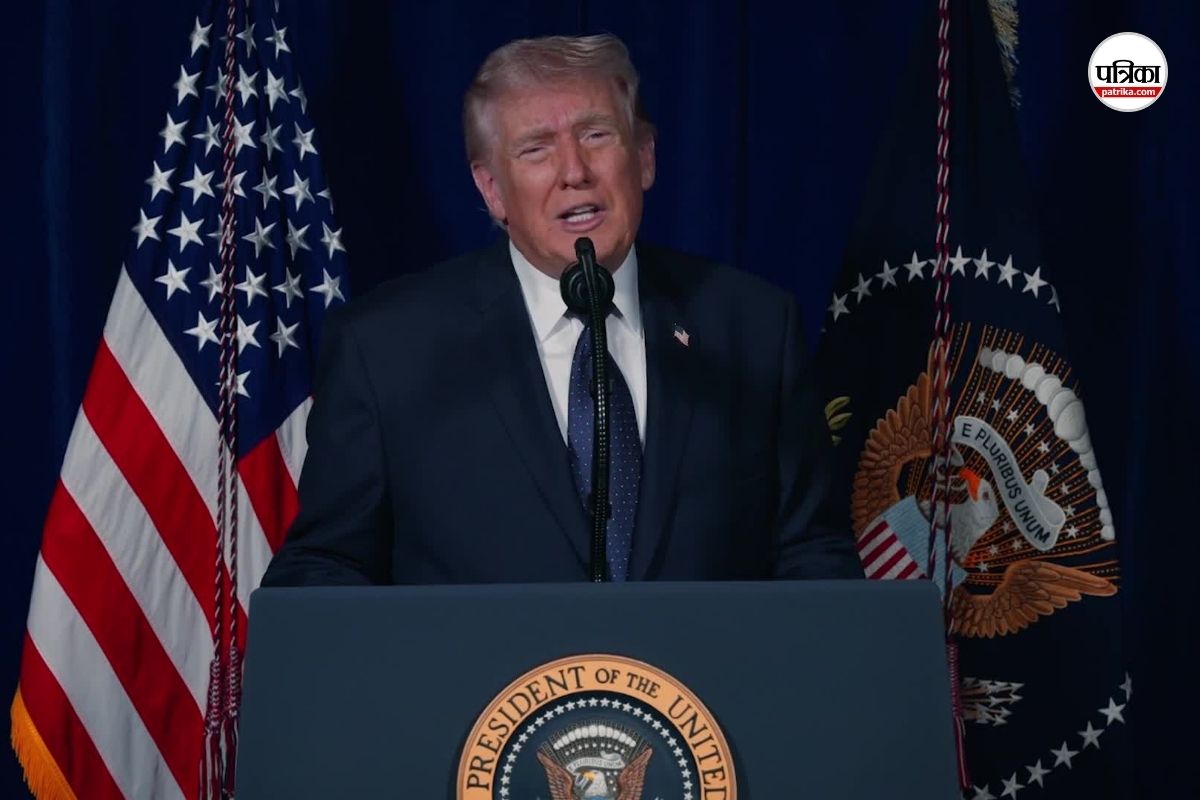
The rhetoric coming from Donald Trump regarding "no attack" reflects a transactional view of Middle Eastern stability. From a strategic consulting perspective, the "Trump Model" prioritizes regional normalization (the Abraham Accords) over military confrontation. The logic is that a prosperous, integrated regional economy—led by Israel, the UAE, and Saudi Arabia—creates a more durable bulwark against Iranian influence than a pile of smoldering ruins in Tehran.
This approach views Iran not as a problem to be "solved" through war, but as a variable to be "managed" through economic isolation and superior regional integration. If Israel were to launch a unilateral strike, it would jeopardize the burgeoning security cooperation with Sunni Arab states who fear being caught in the crossfire.
The mechanism of restraint is therefore three-fold:
- Political: Avoiding the "forever war" trap that has historically drained American resources.
- Logistical: Recognizing that the U.S. military is currently focused on the Indo-Pacific and cannot afford another massive deployment to the Middle East.
- Transactional: Leveraging the threat of force as a bargaining chip rather than spending it in a single, high-risk operation.
Operational Limitations of Unilateral Action
Israel faces a significant range-payload problem when operating against Iran without full U.S. logistical support. The distance from Israel to major Iranian targets is roughly 1,500 kilometers. To conduct a meaningful strike, Israeli F-35s and F-15Is would require:
- Aerial Refueling: This requires heavy tankers to orbit in potentially hostile or neutral airspace (Jordan, Saudi Arabia, or Iraq), making them vulnerable.
- Egress Routes: Diplomatic permission or "blind-eye" acquiescence from neighboring states is required for flight corridors.
- Damage Assessment: Continuous loitering of UAVs or satellite coverage to determine if a re-strike is necessary.
Without an American "green light," the operational risk of losing high-value pilots and airframes over Iranian territory becomes a critical failure point. The Israeli Defense Forces (IDF) are currently optimized for multi-front operations against non-state actors (Hezbollah, Hamas) and are less suited for a sustained, independent air campaign against a nation-state of Iran's geographic depth.
The Strategic Path Forward
The path to regional stability does not lie in a "decisive strike" that likely does not exist, but in the rigorous application of a multi-domain containment strategy. For policymakers and investors, the key indicators of future stability are not the speeches given at rallies, but the movement of U.S. carrier strike groups and the volume of interceptor production orders.
The optimal play for the current and future U.S. administrations is to maintain a "credible threat" posture while simultaneously tightening the maritime and financial interdiction of Iranian exports. This "slow-motion" pressure avoids the catastrophic volatility of a direct war while forcing the Iranian regime to choose between domestic economic survival and external revolutionary expansion.
Expect a continuation of the shadow war: increased cyber-disruption of Iranian infrastructure and high-precision operations against proxy leadership, coupled with a public-facing rhetoric of de-escalation designed to keep global oil markets stable and regional alliances intact. The "no attack" signal is a calculated move to preserve the status quo until the internal contradictions of the Iranian economy force a diplomatic pivot.