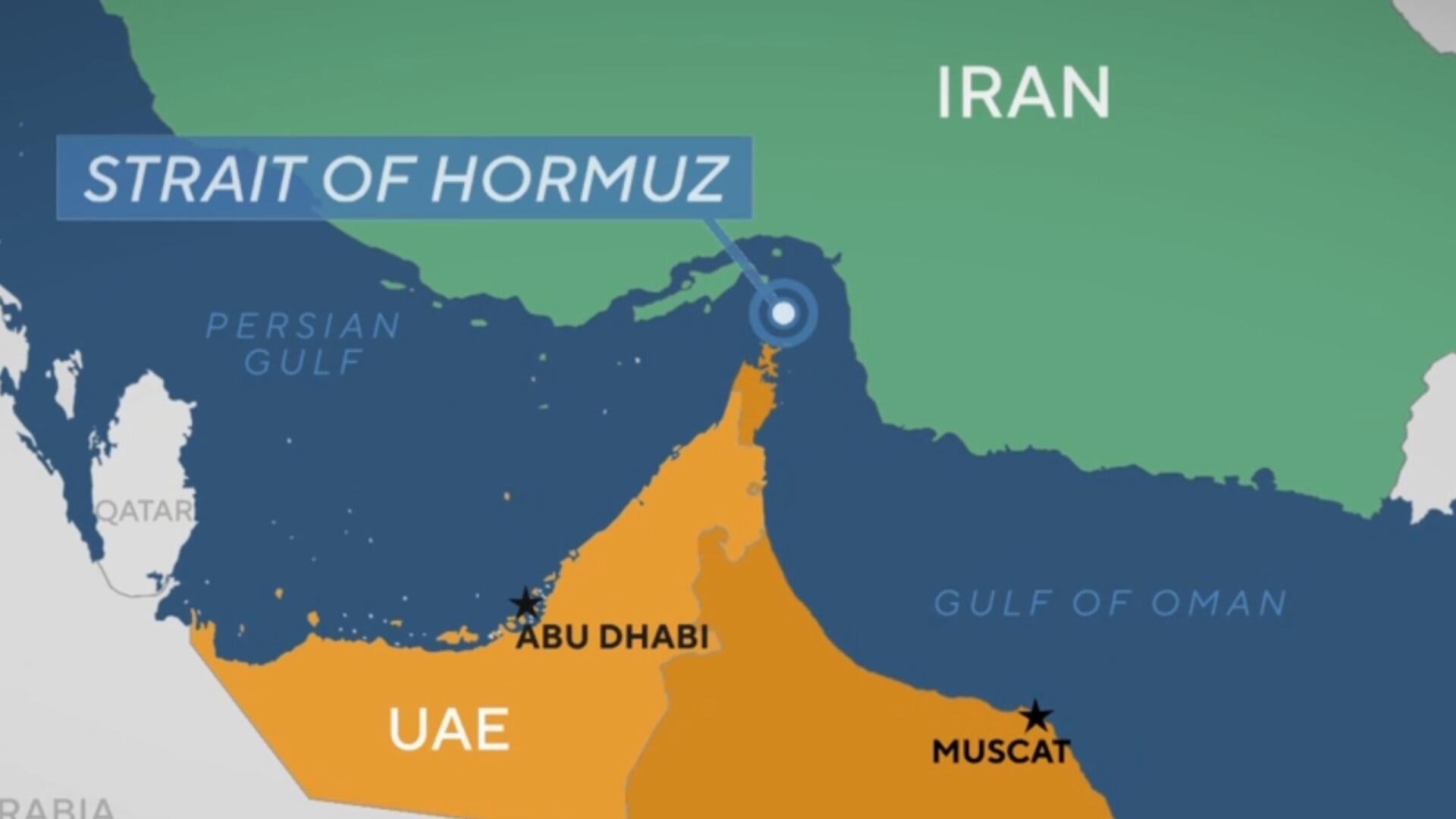
The assertion that Iran permits Indian-flagged vessels passage through the Strait of Hormuz as a gesture of "strong ties" is not a mere diplomatic courtesy; it is a calculated application of maritime leverage designed to secure Tehran’s eastern economic flank. To understand this relationship, one must move beyond the rhetoric of "friendship" and examine the cold operational realities of the International North-South Transport Corridor (INSTC), the energy dependency of the Indian subcontinent, and the specific naval doctrine Iran employs in the Persian Gulf. The stability of this maritime corridor functions as a vital pressure valve for an Iranian economy constrained by Western sanctions, making India a structural necessity rather than just a preferred partner.
The Strategic Architecture of the Hormuz Exception
The Strait of Hormuz serves as the world’s most sensitive chokepoint, with approximately 20% of global petroleum consumption transiting its narrow waters. Iran’s influence over this passage is categorized by a doctrine of "Assymmetric Access Denial." While Western analysts often focus on the threat of a total blockade, the more sophisticated application of this power is Selective Transit Permission.
By signaling that Indian vessels are exempt from the heightened scrutiny or "tit-for-tat" seizures that characterize Iran’s interactions with Western-aligned shipping, Tehran achieves three objectives:
- Direct Economic Insulation: India remains a significant market for non-oil exports and a potential future buyer of Iranian crude should sanctions regimes shift. Ensuring the safety of Indian hulls keeps the trade desk open.
- Geopolitical Counterweighting: Maintaining a "frictionless" maritime border with India complicates the U.S.-led effort to isolate Iran. It forces a wedge between Indian maritime security interests and the broader "Maximum Pressure" campaign.
- Infrastructure Validation: The Chabahar Port project, India’s gateway to Central Asia, requires a stable maritime environment. If Iran were to harass Indian shipping in Hormuz, it would effectively cannibalize its own primary infrastructure investment.
The Triad of Interdependence: Energy, Logistics, and Security
The relationship is governed by three distinct structural pillars that dictate why both nations must maintain this status quo, regardless of external political pressure.
1. The Chabahar-Zahedan Connectivity Logic
India’s investment in the Shahid Beheshti terminal at Chabahar Port is the centerpiece of its strategy to bypass Pakistan and access Afghan and Central Asian markets. This is not merely a port; it is a geopolitical bypass. The operational success of Chabahar is contingent upon the safety of the sea lines of communication (SLOC) leading from India’s western ports (Kandla, Mundra, Mumbai) to the Gulf of Oman. Iran recognizes that any disruption to Indian shipping in the nearby Strait of Hormuz would immediately degrade the commercial viability of Chabahar, handing a strategic victory to the competing Gwadar Port in Pakistan.
2. The INSTC Cost Function
The International North-South Transport Corridor (INSTC) aims to reduce freight travel time between India and Russia by 40% and costs by 30% compared to the Suez Canal route. Iran sits at the geographical heart of this transit.
- The Bottleneck Risk: The efficiency of the INSTC relies on "seamless" multi-modal transitions.
- The Insurance Premium Factor: In maritime logistics, perception of risk dictates cost. By publicly affirming the safety of Indian ships, Iran is effectively suppressing the war-risk insurance premiums for vessels on the India-Iran route. This makes the INSTC economically competitive against established maritime routes.
3. Energy Security as a Bilateral Anchor
While India drastically reduced Iranian oil imports under the threat of U.S. CAATSA sanctions, the technical architecture of Indian refineries remains highly compatible with Iranian heavy sour crude grades. The maritime safety of the Strait of Hormuz is the prerequisite for any rapid resumption of energy trade. India’s Strategic Petroleum Reserves (SPR) and its long-term energy security framework view the Persian Gulf as a primary source. Iran, in turn, views India as a "reliable" long-term customer that does not share the same ideological constraints as European or East Asian buyers.
Naval Doctrine and the Threshold of Escalation
Iran’s maritime strategy in the Gulf is executed primarily through the Islamic Revolutionary Guard Corps Navy (IRGCN). Their operations are designed to operate just below the threshold of conventional warfare. This "Gray Zone" activity involves swarm tactics, limpet mines, and ship detentions.
The exclusion of India from these tactics is a deliberate policy choice rooted in Reciprocal Strategic Autonomy. Both New Delhi and Tehran pride themselves on resisting external alignment pressures. India’s refusal to join certain Western-led maritime task forces in the Red Sea and the Gulf is the "payment" for the security Iran provides to Indian-flagged vessels. This creates a feedback loop: India maintains its neutrality, and in exchange, its commercial interests are spared the volatility of the regional "Tanker War" dynamics.
Institutional Constraints and the US Factor
The primary friction point in this alignment is the United States’ financial hegemony. Even if the maritime passage is safe, the financial passage—the ability to settle trades in non-dollar currencies—remains a significant hurdle.
- The Rupee-Rial Mechanism: The attempt to use local currency for trade has met with mixed results due to trade imbalances (India exports less to Iran than it would ideally import in energy).
- Secondary Sanctions: Indian shipping companies and insurers remain wary of losing access to the U.S. financial system. This creates a paradox: the ships may be safe from Iranian seizure, but the entities owning them remain vulnerable to American litigation.
The "freedom of navigation" granted by Iran is therefore a necessary, but not sufficient, condition for a full-scale economic partnership. It solves the physical security problem while leaving the systemic financial risk unaddressed.
The Cost of Disruption: A Quantitative Outlook
If the "Hormuz Exception" for India were to collapse, the economic shocks would be immediate:
- Freight Volatility: A 15-20% spike in shipping costs for Indian exporters to the Middle East.
- Strategic Asset Stranding: The multi-billion dollar investment in Chabahar would become a "dead" asset if the approach waters were deemed a high-risk zone by global maritime bodies (like the Lloyd’s Joint War Committee).
- Refining Inefficiencies: Indian refineries would be forced to source more expensive alternatives from the Atlantic Basin, increasing the current account deficit.
Strategic Realignment and the Eastern Pivot
The current trajectory suggests that Iran is moving toward a more formal integration into the "Eastern" economic bloc, evidenced by its membership in the Shanghai Cooperation Organization (SCO) and BRICS+. India is a founding or leading member of both. This institutional overlap provides a new legal and political framework for the "safe passage" agreement.
Instead of an informal nod from the Supreme Leader’s representative, maritime security is becoming part of a broader multilateral commitment to "Eurasian Connectivity." This shifts the narrative from a bilateral favor to a multilateral obligation.
The critical path for India involves deepening its technical presence in Iranian ports while maintaining a naval presence in the North Arabian Sea via Operation Sankalp. This naval mission, launched by the Indian Navy to provide security to Indian vessels, serves as a subtle signal to Tehran: India appreciates the gesture of safe passage but possesses the kinetic capability to protect its interests if the diplomatic consensus fails.
The ultimate strategic play for New Delhi is to utilize this period of "favored status" to finish the rail link from Chabahar to the Afghan border. Once the physical infrastructure is complete, the sunk costs for both nations will be so high that any disruption of maritime traffic would be mutually assured economic destruction. The goal is to move from a relationship based on "permission" to one based on "locked-in" structural necessity.
For Iran, the strategy is to keep India as a "neutral" heavyweight in the region. By ensuring that the world's most populous nation and fifth-largest economy has a vested interest in the stability of Iranian-controlled waters, Tehran gains an implicit security guarantee. Any external military action against Iran that results in the closing of the Strait of Hormuz would now directly harm Indian national interests, potentially turning a key global player against the interventionists. This is the true meaning of the "Hormuz gesture": it is a defensive shield built out of Indian commercial dependencies.