The global energy market is currently caught in a violent tug-of-war between speculative euphoria on Wall Street and the grim reality of a cooling global economy. While equity markets celebrate record highs, crude oil prices are sliding. This divergence isn't a fluke. It is a warning. The narrative pushed by mainstream outlets—that a potential Middle East ceasefire is the primary driver of this downward trend—is an oversimplification that ignores the structural rot in global demand.
Crude benchmarks recently dipped as diplomatic efforts in Cairo and Doha suggested a pause in hostilities might be within reach. However, for those of us who have tracked energy cycles for decades, the "peace premium" being priced out of the market is only half the story. The real pressure is coming from a massive surplus of supply meeting a wall of industrial apathy in Asia and Europe.
The China Factor and the Myth of the Endless Recovery
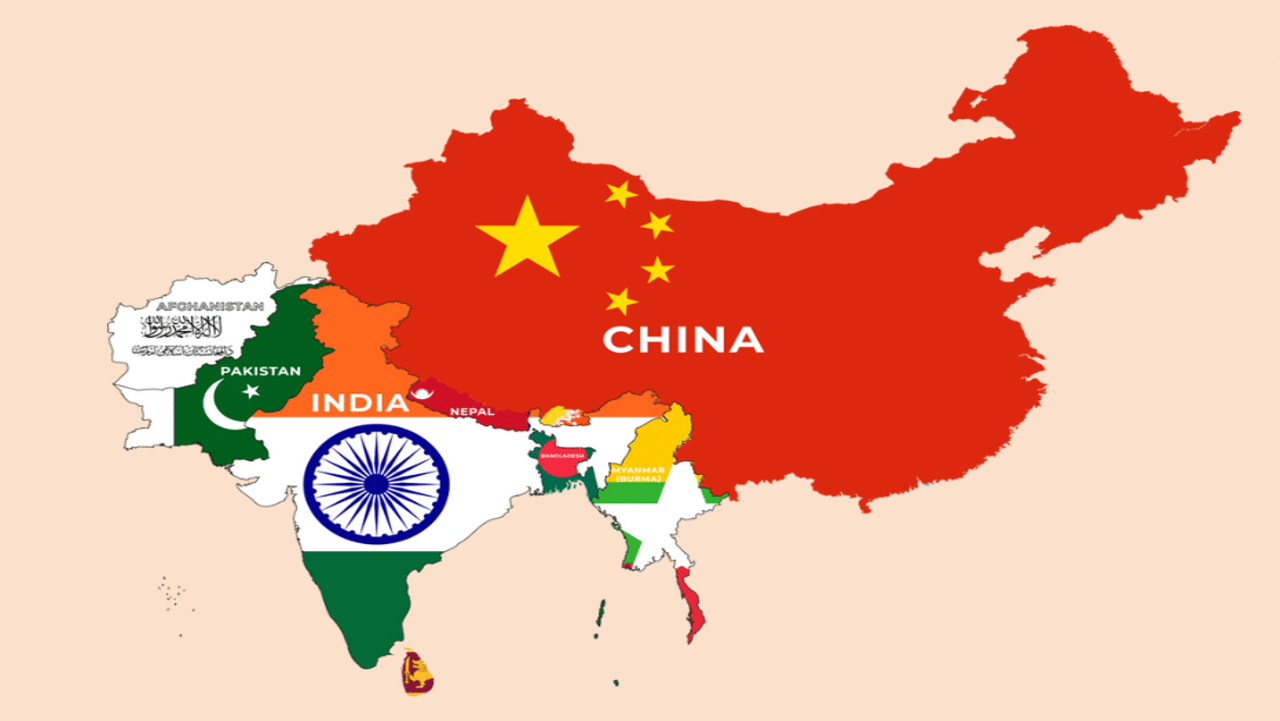
For years, the oil industry relied on a simple equation: China grows, and oil goes up. That equation is broken. The post-pandemic recovery in the world’s second-largest economy has stalled, and the ripple effects are crushing the Brent and WTI curves. Chinese refineries have been cutting run rates for months. This isn't just a seasonal shift. It is a reflection of a property sector in ruins and a manufacturing base that is no longer thirsty for diesel.
When you look at the data from the General Administration of Customs, the trend is undeniable. Crude imports have hit a wall. While the U.S. stock market hits new peaks driven by a handful of technology giants, the physical world of shipping and manufacturing—the world that actually burns oil—is signaling a slowdown.
We are seeing a profound disconnect. Wall Street is trading on the promise of future earnings and interest rate cuts, while the oil market is trading on the reality of overflowing storage tanks. The "hope" of a ceasefire provides a convenient headline for a price drop that was already baked into the fundamentals of supply and demand.
Supply Surges from Unexpected Corners
While OPEC+ continues its dance of voluntary production cuts, the group is losing its grip on the global price floor. The reason is simple. The Americas are pumping oil at a rate that would have seemed impossible ten years ago. The United States, Guyana, and Brazil are flooding the market with light, sweet crude.
- The Permian Basin: Despite a consolidation wave among shale producers, efficiency gains mean more oil is being extracted with fewer rigs.
- Guyana's Rapid Rise: ExxonMobil’s operations in the Stabroek block have turned a small South American nation into a global powerhouse almost overnight.
- The Canadian Pipeline: The completion of the Trans Mountain Expansion (TMX) has cleared a bottleneck, allowing heavy Canadian crude to reach the Pacific coast more easily.
This non-OPEC surge creates a massive cushion. Even if tensions in the Middle East were to flare up again, the world is far less dependent on the Strait of Hormuz than it was during the oil shocks of the 20th century. Traders know this. The "fear bid" that used to add $10 to $20 to every barrel is evaporating.
The Wall Street Mirage
It is easy to get blinded by the green numbers on a stock ticker. The S&P 500 setting records creates a sense of broad economic health, but the energy sector is often the canary in the coal mine. Historically, when oil prices fall while stocks rise, it indicates that the market expects lower inflation and lower interest rates.
But there is a darker interpretation. High stock prices are being fueled by the expectation that central banks will rescue the economy from a looming recession. If that recession arrives, the demand for fuel won't just plateau; it will crater.
The volatility we see in WTI futures is a symptom of a market that has no conviction. One day, a rumor of a drone strike sends prices up 3%. The next day, a mediocre jobs report or a hint of a ceasefire sends them down 4%. This is not a healthy, trending market. It is a jittery, high-frequency-trading mess that is disconnected from the long-term reality of energy transition and industrial decline.
The Hidden Impact of the Strategic Petroleum Reserve
We also have to talk about the U.S. Strategic Petroleum Reserve (SPR). The massive drawdowns seen in recent years were intended to stabilize domestic gasoline prices, but they also depleted a critical buffer. Now, the Department of Energy is slowly trying to refill those caverns.
This creates a weird floor for the market. Every time oil dips toward $70, the U.S. government enters as a buyer. This "government put" prevents a total collapse but also prevents the market from truly clearing. It is a subsidized stagnation. We are trapped in a range where prices are too high to stimulate the economy but too low to encourage the massive capital investment needed for long-term energy security.
The Geopolitical Chessboard is Shifting
The focus on a ceasefire in the Middle East ignores the long-term realignment of energy flows. Russia, despite heavy sanctions, has successfully pivoted its exports to India and China. These are "dark" or "grey" barrels that trade outside of traditional Western financial systems.
When you have a massive amount of oil moving through shadow fleets and off-book transactions, the official price benchmarks lose some of their predictive power. The "discount" that India gets for Russian Urals is a massive competitive advantage for their industrial sector, further depressing the demand for Brent-priced oil in the region.
The West is playing a game of rules and sanctions, while the rest of the world is playing a game of molecules and prices. This fragmentation of the global energy market makes it harder to reach a stable equilibrium.
The Logistics of a Glut
Look at the freight rates. Look at the cost of leasing a Very Large Crude Carrier (VLCC). When storage is full and ships are being used as floating warehouses, it is a sign of a market in contango—where future prices are higher than current prices.
This usually happens when there is too much physical oil and nowhere to put it. We aren't quite there yet, but the trend lines are pointing toward a surplus in late 2024 and throughout 2025. The OPEC+ decision to eventually bring back some of their sidelined production is looming over the market like a guillotine. They want higher prices, but they also want to regain market share from the Americans. They can't have both.
The Refining Margin Collapse
Another overlooked factor is the health of the refining industry. In Europe and the U.S. Gulf Coast, crack spreads—the difference between the price of crude and the price of the products made from it—are tightening.
If refiners can't make a profit turning oil into gasoline or jet fuel, they buy less oil. They go into "maintenance" or they simply slow down. This creates a feedback loop that drags crude prices even lower. The record-breaking stock market isn't helping the average commuter or the freight company dealing with high operational costs; it is primarily a financial phenomenon.
Why a Ceasefire Might Not Matter in the Long Run
Let’s assume for a moment that a lasting peace is achieved in Gaza and the Red Sea shipping lanes reopen without fear of Houthi missile attacks. Logistics costs would drop. Insurance premiums for tankers would plummet.
This would be a "bearish" event for oil prices. More supply would reach the market faster. The "risk premium" would vanish entirely. However, the underlying problem—the lack of industrial growth—would remain. Peace doesn't suddenly make a factory in Germany more competitive or fix the Chinese housing bubble.
The market is currently using the Middle East conflict as a shield. It allows analysts to blame "geopolitics" for price swings rather than admitting the global economy is losing its appetite for carbon.
The Inevitable Reckoning
Investors are currently living in two different worlds. In one, the AI-driven tech boom is going to create infinite wealth. In the other, the physical world of commodities is screaming that something is wrong.
You cannot have a sustained bull market in stocks if the energy market is signaling a global slowdown. Eventually, these two realities will collide. When they do, the fall in oil prices won't be seen as a relief for consumers; it will be recognized as the first symptom of a broader deflationary shock.
The smart money isn't looking at the latest headlines about peace talks. It is looking at the inventory builds in Cushing, Oklahoma, and the declining diesel demand in the Pearl River Delta. Those are the numbers that don't lie.
Watch the spreads between the front-month and the six-month futures contracts. When the "backwardation" (the premium for immediate delivery) disappears and turns into "contango," the floor will fall out. We are teetering on that edge right now. The record-high stock market is just the music playing on the Titanic; the oil market is the iceberg.
Stop looking at the ticker and start looking at the tankers.