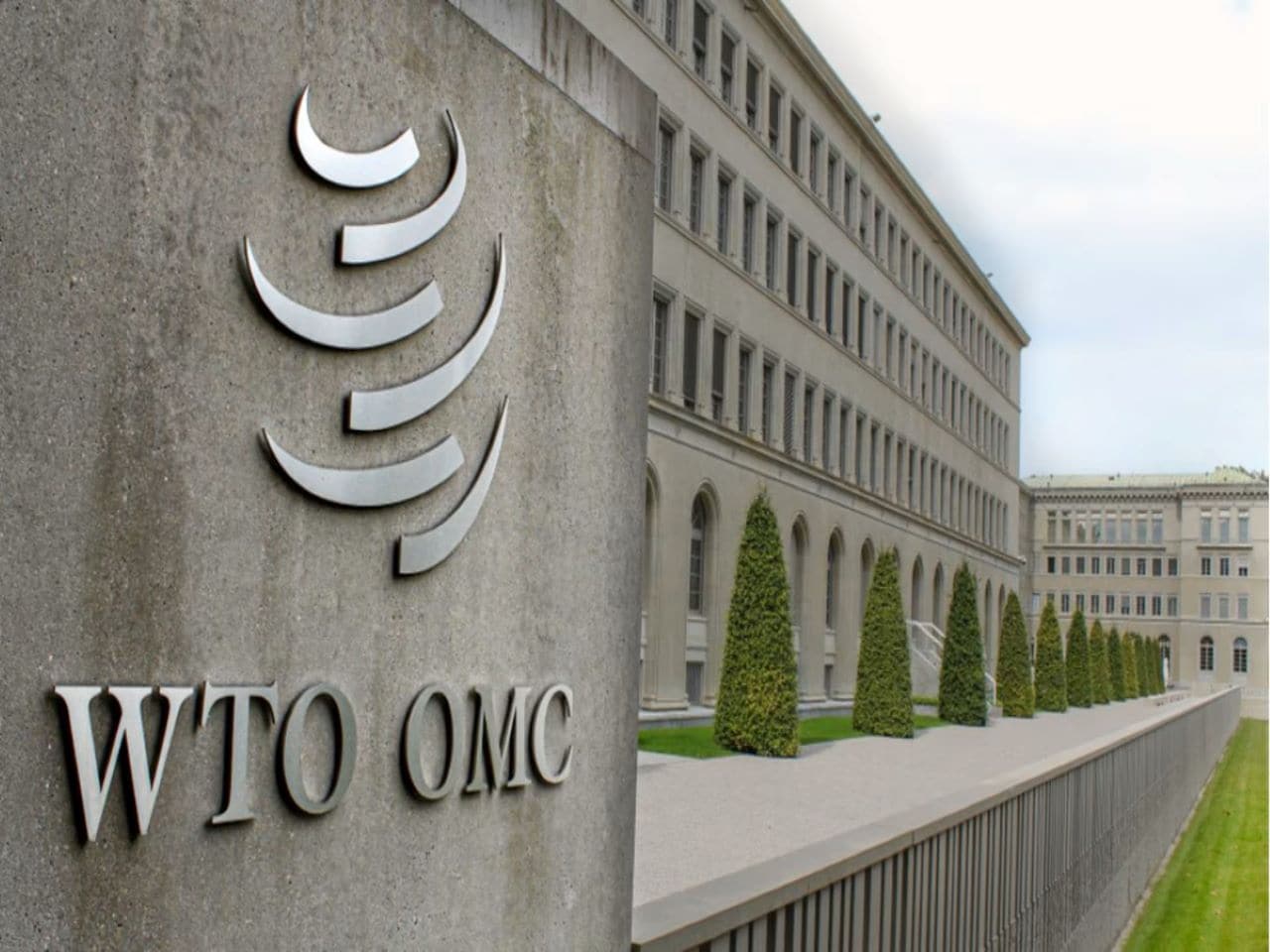
The collapse of the latest World Trade Organization (WTO) negotiations regarding the extension of the e-commerce duties moratorium is not a bureaucratic oversight; it is a calculated assertion of digital sovereignty. By blocking the consensus required to maintain the 1998 ban on customs duties for electronic transmissions, Brazil has signaled a shift from global trade liberalization toward a "revenue-first" digital policy. This creates an immediate structural risk for global supply chains that rely on the frictionless movement of data, software, and digital services.
The stalemate centers on the "1998 Moratorium," a gentleman's agreement among WTO members to refrain from imposing tariffs on digital transmissions. While the moratorium has been renewed biannually for over two decades, the rise of the digital economy has transformed it from a minor administrative convenience into a multi-trillion-dollar subsidy for data-exporting nations. Brazil’s opposition, supported by a bloc of developing nations including India and South Africa, rests on the logic that the current framework creates a permanent fiscal deficit for importing economies.
The Fiscal Displacement Framework
To understand Brazil’s position, one must analyze the "Fiscal Displacement" mechanism. As physical goods—such as DVDs, books, and software on physical media—transition to digital downloads and streaming, the traditional customs revenue associated with these goods evaporates.
- The Revenue Gap: Developing nations argue that the moratorium prevents them from capturing "border tax" revenue on high-value digital imports. According to UNCTAD estimates, the potential tariff revenue loss for developing countries exceeds $10 billion annually.
- The Industrial Policy Offset: By threatening to tax digital transmissions, Brazil seeks to create a "policy space" that incentivizes local data hosting and software development. The logic mirrors 20th-century import substitution: if importing digital services becomes expensive, domestic alternatives become more competitive.
- The Data-as-Resource Variable: There is an increasing perception that data is a raw material. Allowing it to flow out of a country untaxed is viewed by some Brasília strategists as a form of digital resource extraction that yields no benefit to the national treasury.
This fiscal logic, however, often ignores the "Cost of Friction" variable. Imposing duties on transmissions requires a complex technical infrastructure to track, value, and tax data packets. The administrative cost of collection could, in many scenarios, exceed the actual revenue generated, while simultaneously slowing down the digital ecosystem that local businesses rely on.
The Technical Impossibility of Digital Tariffs
The primary bottleneck to Brazil's proposed shift is the lack of a standardized technical definition for a "digital transmission" at a customs level. In a physical trade environment, a container arrives at a port, is inspected, and assigned a Harmonized System (HS) code. In the digital environment, this process breaks down.
- The Valuation Problem: How does a customs official value a software update? Is the value based on the cost of the code, the subscription fee paid by the user, or the economic value generated by the software’s use?
- The Origin Problem: Determining the "Country of Origin" for data is nearly impossible in a world of Content Delivery Networks (CDNs) and edge computing. A single digital service may involve components stored in Virginia, processed in Dublin, and delivered via a server in São Paulo.
- The Classification Conflict: WTO members cannot agree on whether digital transmissions are "goods" (subject to GATT rules) or "services" (subject to GATS rules). This distinction is critical because GATS allows for significantly more national flexibility and protectionism than GATT.
The second limitation is the impact on Small and Medium Enterprises (SMEs). Large multinational corporations possess the legal and accounting infrastructure to navigate complex tax regimes. For a small Brazilian startup utilizing a cloud-based AI tool from the United States or a design platform from Europe, a 10% "transmission tariff" acts as a direct tax on innovation. This creates a recursive loop where the attempt to protect domestic industry actually starves it of the global tools necessary to compete.
Structural Divergence in Trade Blocs
The deadlock reflects a three-way split in global digital strategy. The United States and the European Union generally favor the moratorium, albeit for different reasons. The US seeks to protect its dominant tech exporters, while the EU views the moratorium as essential for its "Digital Single Market" ambitions.
Brazil’s pivot toward the "Global South" coalition (India, South Africa, Indonesia) represents a push for a "Developmental State" model of the internet. This model views the current WTO order as a "kicking away the ladder" scenario, where developed nations used tariffs to build their industries but now demand zero-tariff regimes once they have achieved dominance.
This creates a high-stakes game of chicken. If the moratorium expires, we enter a "wild west" of digital taxation. Individual nations may begin imposing ad hoc levies on Netflix subscriptions, software licenses, or even cross-border email traffic. This would lead to a fragmentation of the internet—a "splinternet"—where digital borders become as rigid as physical ones.
The Economic Cost of Data Localization
A direct consequence of ending the moratorium is the acceleration of data localization mandates. If data transmissions are taxed, firms will seek to avoid the border entirely by storing and processing data within the country where it is consumed.
The economic trade-offs of this strategy are significant:
- Redundancy Costs: Firms must build local data centers that may not be as efficient or secure as global hubs.
- Cybersecurity Degradation: Fragmented data is harder to protect. Centralized security architectures are often more resilient than localized, patchwork systems.
- Innovation Stagnation: Localized data limits the ability of machine learning models to train on diverse, global datasets, specifically hindering the development of local AI capabilities.
Brazil’s strategy assumes that the threat of duties will force concessions from the US and EU on other trade issues, such as agricultural subsidies or technology transfers. It is a leverage play. However, the risk is that the "temporary" deadlock becomes a permanent feature of the trade landscape, leading to a "Digital GATT" where only a subset of nations agree to free digital trade, leaving others in a high-tariff digital silo.
Strategic Play for Global Operations
The deadlock in Geneva necessitates an immediate audit of digital supply chains for any firm operating in or with Brazil. Relying on the permanence of the moratorium is no longer a viable strategy.
- Map Data Crossings: Identify every point where proprietary software, data analytics, or digital services cross the Brazilian border. Quantify the volume and the internal valuation of these transmissions.
- Evaluate Local Hosting: Assess the feasibility of migrating Brazilian user data and service delivery to local AWS, Azure, or Google Cloud regions within Brazil. This bypasses the "transmission" trigger if duties are eventually implemented.
- Contractual Recalibration: Update Service Level Agreements (SLAs) and Master Service Agreements (MSAs) to include "Digital Tax" clauses. These should clearly define which party bears the cost of any newly imposed duties on electronic transmissions.
- Advocacy Through Industry Groups: Engage with the International Chamber of Commerce (ICC) and local chambers (like AmCham Brazil) to quantify the specific cost of these duties to the Brazilian private sector, providing the data necessary to shift the internal political narrative in Brasília from "revenue collection" to "competitiveness loss."
The path forward is not a return to the status quo. The 1998 Moratorium is a relic of a time when the internet was an additive part of the economy; today, the internet is the economy. Brazil’s move is a demand for a new digital social contract. Firms must prepare for a world where "free trade" in bits and bytes is no longer the default, but a negotiated luxury.