The sun hits the Burj Khalifa with a blinding, diamond-like intensity that makes it hard to remember that this city is built on something far more fragile than concrete. To stand on a balcony in Dubai Marina is to witness a triumph of human will over geography. Below, the water is a manicured turquoise. Above, the sky is a seamless blue. But for those watching the radar screens and the diplomatic cables, the view looks very different. They see a city that has become the world’s most glamorous hostage.
History has a cruel way of repeating itself in the Middle East, but the current tension between Tehran and Washington has placed the United Arab Emirates in a position that is uniquely precarious. When Iranian officials issued a stark warning that a ground attack by the United States would result in an immediate strike on Dubai, they weren't just picking a target on a map. They were identifying the exact pressure point where the global economy, regional stability, and Western pride all intersect.
The Logic of the Target
Why Dubai? To understand the threat, you have to look past the luxury shopping malls and the indoor ski slopes. Dubai is the beating heart of the region's logistics. It is the hub. If Riyadh is the oil and Abu Dhabi is the bank, Dubai is the storefront. It represents the successful integration of the Arab world into the global market.
Iran knows that a strike on a military base in the desert creates a news cycle. A strike on Dubai creates a global depression. The city is home to millions of expatriates—Britons, Indians, Americans, and Filipinos—who keep the gears of international trade turning. By threatening Dubai, Tehran is effectively holding the citizens of the world’s most powerful nations in its sights. It is a psychological move as much as a tactical one.
Consider the ripple effect of a single missile landing near the Jebel Ali port. Within minutes, insurance premiums for shipping would skyrocket. Within hours, the global supply chain would begin to seize. The message from Tehran is clear: if the United States decides to flip the table, Iran will ensure the room is burned to the ground.
A Walk Down Sheikh Zayed Road
Think of a hypothetical resident named Omar. He moved from London to Dubai five years ago to work in fintech. To Omar, the "threat of invasion" or "missile strikes" feels like a distant fiction while he’s sipping a latte in the shadow of the Museum of the Future. The city feels invincible. It is designed to feel that way.
But Omar’s reality is tethered to a very thin line of communication. The UAE has spent decades balancing its relationship with the West while maintaining a cautious, often icy, pragmatism with Iran. They are neighbors separated by a narrow strip of water known as the Strait of Hormuz.
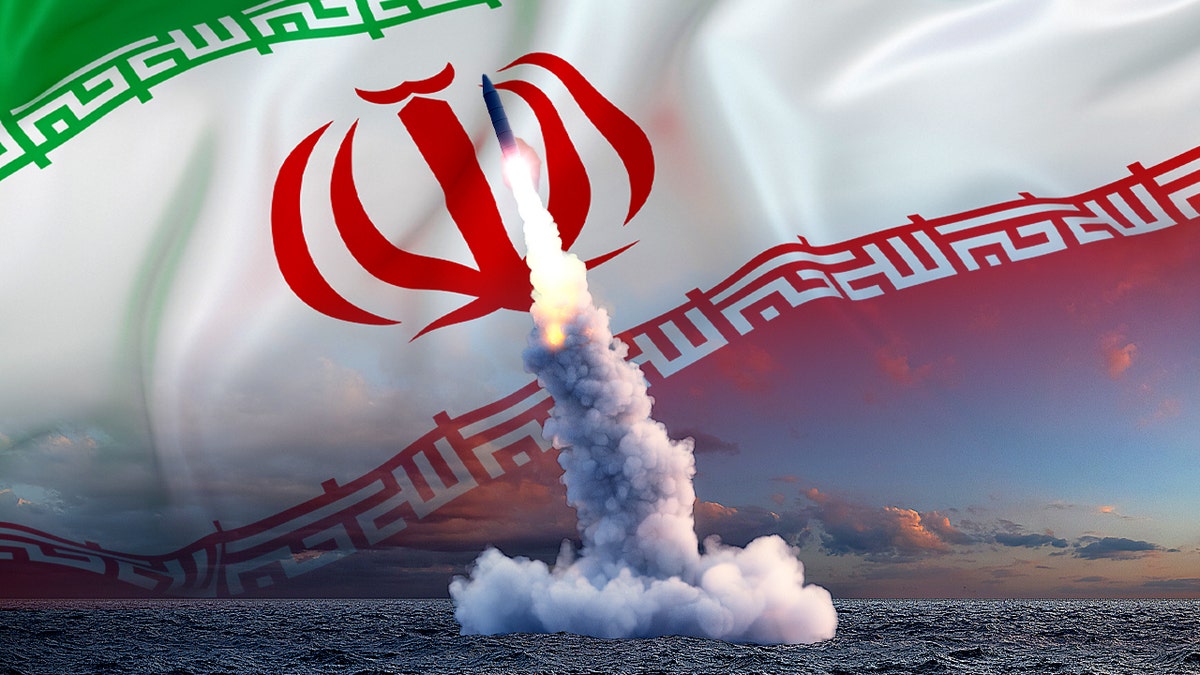
If Donald Trump or any American leader were to authorize a ground-based offensive against Iranian soil, the geographical proximity becomes a curse. Iran’s ballistic missile program is not designed to win a long-term war against a superpower; it is designed to inflict maximum pain on the superpower’s closest friends. Dubai is the closest, brightest, and most vulnerable friend in the neighborhood.
The Invisible Stakes
The fear isn't just about explosions. It’s about the exodus. Dubai’s entire economic model relies on the perception of absolute safety. It is the safe haven in a volatile region. If that perception is shattered—even by a credible threat that never materializes—the capital begins to flee.
The Iranian leadership understands this vulnerability perfectly. Their rhetoric serves a dual purpose. First, it acts as a deterrent against American aggression by raising the "cost" of war to an unacceptable level for the global community. Second, it sows seeds of doubt among the investors and residents who make the UAE what it is today.
Strategic planners in Tehran aren't looking for a traditional conquest. They aren't going to send tanks across the Persian Gulf. They are threatening a "scorched earth" policy of the 21st century: the destruction of the region's crown jewel.
The Weight of the Warning
When these warnings are issued, they often arrive in the wake of specific escalations. A drone strike here, a seized tanker there. The rhetoric about a "ground attack" is the ultimate red line. In the eyes of the Iranian military, a ground invasion is an existential threat to their regime. In response, they promise an existential threat to the UAE’s prosperity.
The complexity lies in the fact that Iran and the UAE are also significant trading partners. Iranian businesses operate out of Dubai. Thousands of Iranians live there. This isn't a simple case of "Enemy A" vs "Enemy B." It is a deeply intertwined relationship where one party is threatening to cut off its own arm just to ensure the other party bleeds.
The tension is a living thing. It breathes through the fluctuation of oil prices and the hushed conversations in the boardrooms of DIFC. Every time a new administration in Washington takes a harder line, the residents of the UAE look toward the north with a renewed sense of sobriety.
The skyscrapers still glow at night, casting long, golden shadows over the desert. The fountain shows still play to crowds of cheering tourists. But the threat remains etched into the air, a reminder that in this part of the world, peace is often just a temporary pause between the echoes of history. The glass remains beautiful, but everyone knows how easily it shatters.