The Middle East just shifted again. After the US launched retaliatory strikes against Iranian-backed groups in Iraq and Syria, the world didn't just sit back and watch. Some people cheered. Others burned flags. It's a mess of conflicting narratives, and if you're trying to make sense of the noise, you've got to look past the official press releases.
The strikes were a direct response to the drone attack that killed three American service members in Jordan. President Biden signaled these moves for days, giving plenty of time for targets to be cleared or reinforced. When the bombs finally dropped, the reaction was instantaneous. From the streets of Baghdad to the halls of power in Tehran, the feedback loop was loud, angry, and occasionally celebratory.
What Actually Happened on the Ground
The US targeted over 85 locations. We’re talking command centers, intelligence hubs, and rocket storage sites. The goal was simple: hurt the Islamic Revolutionary Guard Corps (IRGC) Quds Force and their affiliated militias without starting a full-blown world war.
In some corners of Syria, there were reports of quiet satisfaction. People who have lived under the thumb of these militias for years saw the smoke on the horizon as a sign that the "invincible" proxies could be touched. But that sentiment was quickly drowned out by the organized protests. In Baghdad, thousands gathered to mourn the militia members killed in the strikes. They weren't just sad. They were livid. They viewed the strikes as a blatant violation of Iraqi sovereignty.
It’s a weird tension. The Iraqi government is in a tough spot. They need the US for security and banking, but they can't ignore the massive pro-Iran factions in their own parliament. Prime Minister Mohammed Shia al-Sudani called the strikes an "aggression," a word choice that matters deeply in diplomacy.
The View from Tehran and the Streets
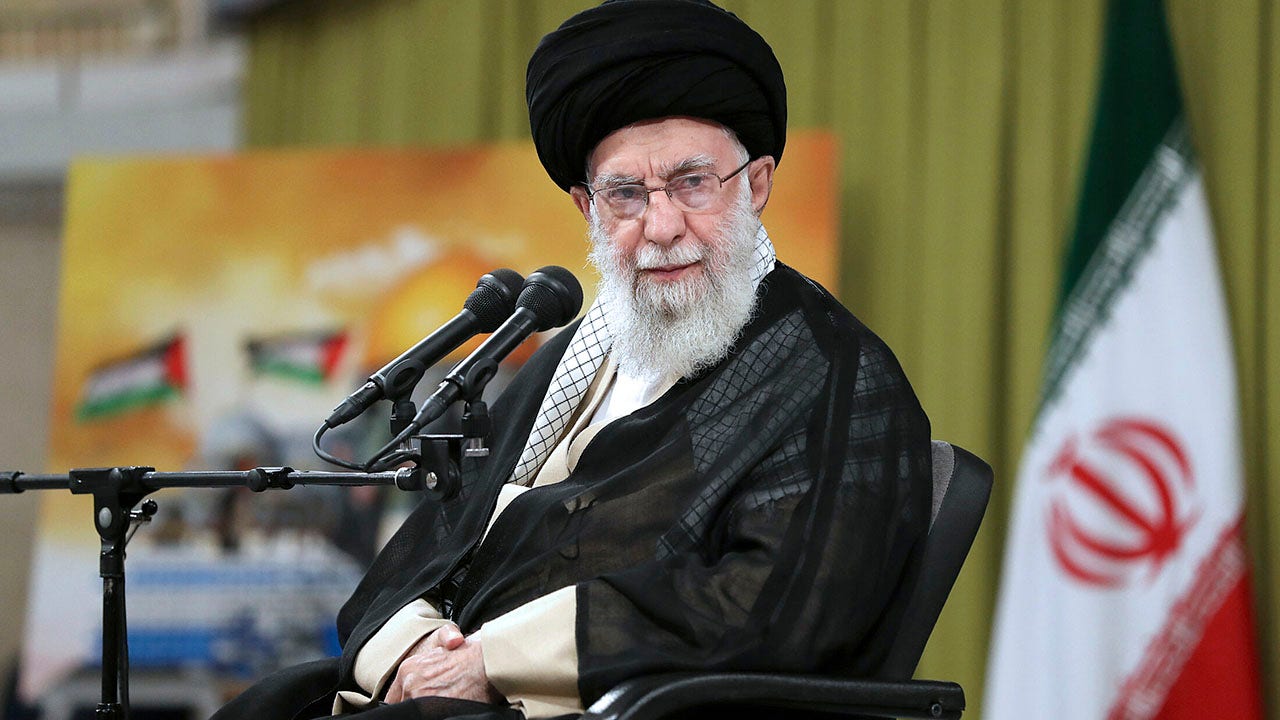
Tehran’s response was predictable but sharp. They called it a "strategic mistake." They always do. But look at the footage from the streets. Protests in Iran are complicated. You have the state-sanctioned rallies where "Death to America" is the standard chant, but you also have a population that's exhausted by their government's focus on foreign wars while the domestic economy crumbles.
There’s a massive gap between what the Iranian leadership says and what the average person in Isfahan or Shiraz feels. Many Iranians are terrified that these proxy spats will eventually lead to a direct hit on their own soil. They don't want a war. They want lower inflation and more personal freedom. The strikes didn't change that, but they definitely ramped up the anxiety.
Protests are rarely about just one thing
When you see a video of people burning a flag in Baghdad, it's not just about the bombs. It's about decades of interference. It's about the feeling that their country is a playground for superpowers. On the flip side, the "celebrations" mentioned in some Western media outlets were often small, localized, and incredibly risky for those involved. In some Syrian opposition zones, the strikes were seen as "too little, too late." They’ve been asking for help for a decade. Seeing the US finally hit back feels like a hollow victory when your neighborhood is already in ruins.
Why the Timing of These Strikes Matters
The US waited. They waited long enough for the IRGC to move their top-tier "advisors" out of the way. Critics say this made the strikes performative. They argue that if you give the enemy a week's notice, you're not actually degrading their capabilities; you're just hitting empty buildings.
But the Biden administration is playing a different game. They’re trying to "calibrate" the pain. If they kill too many high-ranking Iranians, Tehran might feel forced to retaliate directly. If they don't do enough, they look weak at home. It’s a tightrope walk over a volcano. The protests we’re seeing are the direct result of this middle-ground approach. It’s enough to make people angry, but maybe not enough to stop the next drone from flying.
The Social Media Echo Chamber
If you went on X or Telegram the night of the strikes, you saw two different realities. Pro-militia accounts posted high-def videos of "martyrs" and vowed revenge. Pro-Western accounts shared satellite imagery of destroyed warehouses.
Honestly, it’s hard to find the truth in the middle. Most of the "celebration" videos were repurposed footage from years ago or unrelated events. This is why you shouldn't trust a ten-second clip without context. The real reaction is found in the diplomatic cables and the quiet movements of ships in the Persian Gulf.
How This Impacts You Right Now
You might think a drone strike in the Syrian desert doesn't matter for your daily life. You'd be wrong. Every time the US and Iran trade blows, the "risk premium" on oil goes up. If the Strait of Hormuz gets jittery, gas prices at your local station will jump.
It also affects the global supply chain. The Houthis in Yemen, who are part of this same pro-Iran network, are already messing with Red Sea shipping. These strikes were supposed to send a message to them, too. If the message didn't land, expect your Amazon packages to take longer and cost more as ships take the long way around Africa.
Watch the Iraqi Parliament
The biggest thing to track isn't the next explosion. It's the vote in Baghdad. There is a growing movement to kick US troops out of Iraq entirely. If the protests lead to a legislative mandate for the US to leave, the mission in Syria becomes nearly impossible to sustain logistically. That’s exactly what Iran wants. They don't need to win a dogfight; they just need to make the US presence so annoying and politically expensive that Washington packs up and goes home.
The Cycle That Won't Quit
We’ve seen this movie before. 2020 saw the Soleimani strike. Then the retaliatory missiles at Al-Asad airbase. Then a period of quiet. Now we’re back in the heat of it. The "celebrations" and "protests" are part of the theater of war.
If you want to stay ahead of this, stop looking at the flashy explosions. Start looking at the border crossings between Iraq and Syria. Watch the price of Brent Crude. Pay attention to how the Iraqi government handles their upcoming budget. That’s where the real story lives. The street protests are just the loudest part of a much deeper, much more dangerous game.
Stay informed by checking multiple sources. Don't let a single viral video dictate your understanding of a region that's been complex for thousands of years. The situation is moving fast, and the next move likely won't be announced on a press stage. It'll happen in the dark, and we'll see the results on the ticker the next morning.