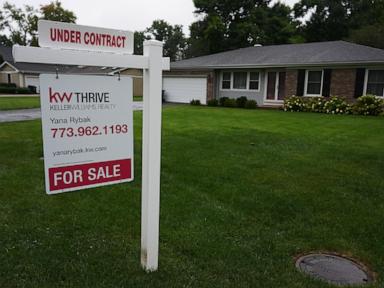
We have all heard the pitch. Banks and financial gurus love to divide our loans into two neat piles. There is bad debt, which drags you down with high interest rates on things that lose value instantly like designer clothes or vacations. Then there is good debt. This is the magic money. It supposedly builds your wealth, funds your education, or buys you a house that will appreciate while you sleep.
It sounds tidy. It sounds safe. It is also completely misleading.
When you label money as good, your brain relaxes. You stop seeing it as a liability and start viewing it as an investment tool, which often leads people to borrow far more than they should. Debt is never inherently good. It is a financial instrument, and much like a chainsaw, it can build a house or cut off your arm. Treating any loan as completely benign is a fast track to financial stress.
The Myth of Wealth Building Through Leverage
Financial advisors preach that borrowing money to acquire appreciating assets is a smart move. They point to real estate and business loans as prime examples. If a property gains five percent in value each year, you are winning, right?
Not necessarily. The reality on the ground is messier.
When you buy a home with a mortgage, you are locking yourself into a rigid monthly obligation regardless of what happens to your income or the broader economy. Property taxes, insurance rates, and maintenance costs do not pause just because you hit a rough patch. If you lose your job or face unexpected medical bills, that good debt transforms into an immediate threat to your shelter.
Leverage magnifies both gains and losses. When asset values drop or interest rates climb unexpectedly, heavy borrowing crushes cash flow. You aren't just holding an asset; you are servicing a monthly charge that demands constant cash. If you have to sell during a market downturn, your so-called good debt turns into a realized loss.
Student Loans and the Broken Promise of Future Income
Few loans carry a better reputation than student debt. Society frames it as an investment in yourself, an automatic ticket to a higher earning bracket.
For many graduates, that ticket comes with a massive catch.
The cost of higher education has outpaced inflation for decades, while starting salaries haven't kept pace. Students sign up for tens of thousands of dollars in loans based on projected earnings that might never materialize. When you graduate into a sluggish job market with a five-figure monthly payment hanging over your head, your options narrow dramatically.
You cannot take risks. You cannot switch careers easily, start a business, or take time off to travel because the bill arrives every single month without fail. That kind of financial pressure stifles career mobility. It forces you to take the first job that pays enough to cover your minimums, trapping you in a cycle of working just to service the past rather than building for the future.
How Banks Profit From Your Comfort With Borrowing
Lenders adore the phrase good debt because it keeps money moving. Every time a consumer feels comfortable taking on a larger mortgage or a bigger business loan, the financial institution collects interest.
Marketing terms like good debt blur the lines of risk. They encourage you to look at the upside while ignoring the downside. If a business loan fails, the bank still expects its money back. The asset you bought might be worth pennies on the dollar, but your obligation remains unchanged.
Lenders assess risk using worst-case scenarios, but borrowers tend to plan using best-case scenarios. That disconnect is where people get into serious trouble. You assume your career will always grow, property values will always rise, and interest rates will stay low. Real life rarely cooperates with best-case assumptions.
Shifting Your Mindset From Labels to Cash Flow
Stop classifying debt by its intended purpose and start evaluating it by its impact on your daily cash flow.
Ask yourself a simple question. If your primary source of income vanished tomorrow, how long could you service this obligation without panicking? If the answer is less than six months, that debt is dangerous regardless of what the asset is supposed to do over the next thirty years.
A smaller mortgage on a modest home leaves room for error. Paying cash or making massive down payments reduces your exposure to economic shocks. Minimizing your reliance on borrowed money gives you something far more valuable than a slightly larger house: it gives you flexibility.
Financial security isn't about owning the most expensive assets funded by other people's money. It is about keeping your monthly fixed obligations low enough that you can weather whatever the economy throws your way. Ditch the labels, look at the actual cash commitment, and treat every loan like the heavy anchor it really is.