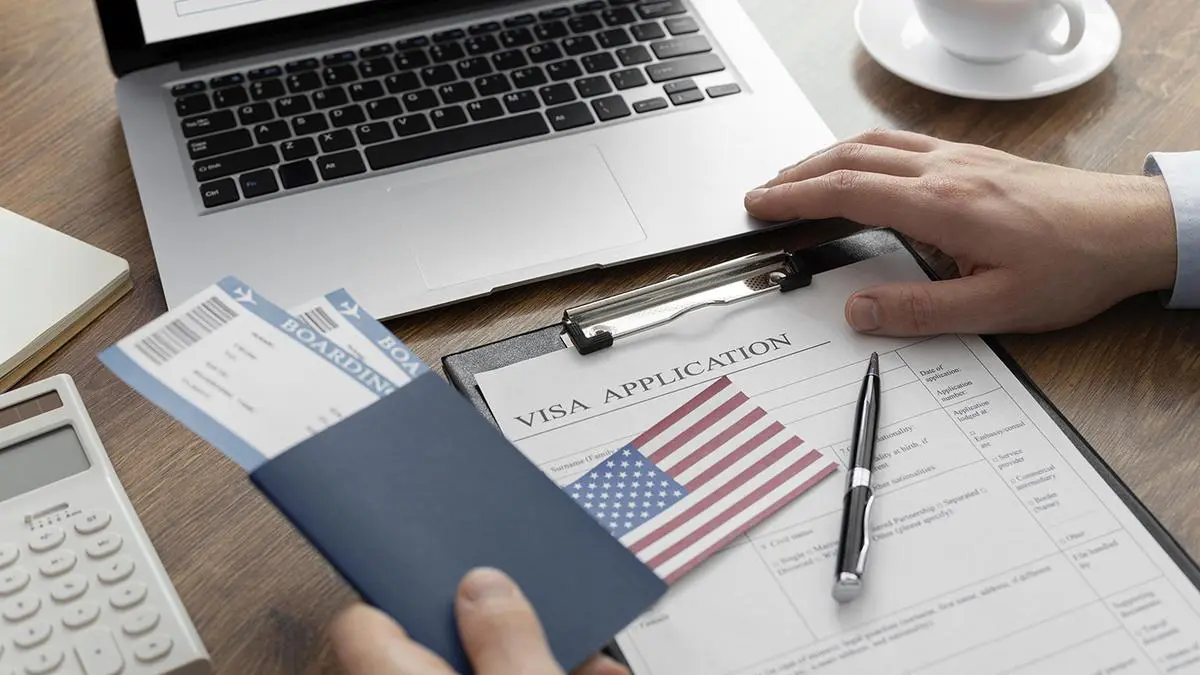
Government travel advisories are written by bureaucrats who haven't stepped outside an airport terminal in twenty years.
If you read the official Foreign Office briefings for fans heading to the 2026 FIFA World Cup across North America, you will find a predictable, sanitised checklist. Pack your passport. Respect local laws. Keep an eye on your wallet. Buy official tickets.
It is a template designed to legally protect the department, not to keep you safe or help you navigate a massive, tri-national sporting event spanning three zones, three currencies, and wildly varying municipal infrastructures.
By treating the United States, Canada, and Mexico as a uniform bloc of Western predictability, official warnings create a false sense of security. They prepare you for a vacation. They do not prepare you for the logistical friction of a tournament spread across an entire continent.
If you follow the standard state department playbook, you are setting yourself up for stranded nights, blown budgets, and avoidable legal run-ins. Here is what the official alerts are too polite, or too clueless, to tell you.
The Myth of the Uniform Host
Official briefings treat the host nations as a singular, harmonious entity. This is a massive mistake.
In past tournaments, like Qatar in 2022 or Germany in 2006, the entire event took place within a compact geographic area or a highly integrated transit network. The 2026 tournament is an entirely different beast. You are dealing with vastly different legal frameworks and infrastructure realities from city to city, let alone country to country.
Consider the transit issue. Bureaucratic advice always includes a generic line like: "Use public transport where available to avoid traffic congestion."
This is actively harmful advice in cities like Arlington or Miami. In Texas, AT&T Stadium sits in a municipality that historically rejected public transit development. If you arrive expecting a sleek European rail system to drop you at the gates, you will end up walking along the shoulder of an interstate highway or paying a five-times surged rideshare fee that equals your match ticket price. Conversely, in Mexico City or Vancouver, relying on rideshares instead of the rail network is a recipe for missing kickoff entirely due to gridlock.
The solution is not to look at country-wide advisories. You must audit each stadium's specific surrounding infrastructure independently. If a venue lacks dedicated rail lines, your accommodation needs to be within walking distance, or you must budget more for transport than for your accommodation.
The Fraud of the Safe Zone
The most dangerous element of official advice is the concept of designated fan zones and official routes. Governments love these because they are controlled environments.
What they fail to mention is that these zones are primary targets for highly organized, professional pickpocket syndicates and predatory scams that operate specifically because tourists drop their guard inside the "safe" perimeter.
I have watched fan parks from Rio to Moscow become open seasons for crime. Local police forces focus heavily on violent crime and counter-terrorism inside the perimeter, meaning petty theft, ticket scams, and transport price gouging right outside the gates are functionally ignored.
The safest places in World Cup host cities are rarely the corporate-sponsored fan parks. They are the standard, non-tournament commercial districts where regular residents eat, work, and live. Local businesses in these areas want your repeat custom and are not trying to squeeze a lifetime of profit out of a three-week window.
The Legal Blind Spots You are Actually Facing
When a government agency tells you to "respect local laws," they are giving you a useless platitude. They need to tell you exactly where the jurisdictions conflict.
Take the legal status of specific substances. In Canada, cannabis is federally legal and commercially regulated. Cross the border into the US, and it remains federally illegal, meaning possession at a border crossing is a felony, even if you are crossing into a state like Washington or New York where state laws permit it. In Mexico, the legal framework is completely different again.
A fan carrying a legally purchased product from Vancouver into Seattle could face immediate detention and a lifetime ban from the United States. Your government’s website will not rescue you from a border agent enforcing federal law.
The same applies to alcohol consumption. The official advice warns against public intoxication. The real nuance is much sharper: open container laws vary by individual street blocks in the US. Walking outside a bar with an open beer in Kansas City can get you arrested, while doing the same in parts of Las Vegas or New Orleans is completely legal.
The Digital Security Threat Nobody Warns You About
Open up any standard embassy checklist and you will see a paragraph about keeping your physical documents secure. Photocopy your passport. Keep your cash hidden.
This is twentieth-century advice for a twenty-first-century event. The primary threat to your wallet at this World Cup is digital.
The 2026 tournament is designed to be entirely cashless and ticketless. Your phone is your identity, your wallet, and your entry pass. This makes major stadiums prime hunting grounds for digital skimming, public Wi-Fi spoofing, and targeted phishing campaigns.
Criminal networks set up rogue Wi-Fi hotspots named after the stadium or official sponsors. The moment you connect to download your digital ticket, your credentials and banking apps are compromised. Government advisories rarely mention this because the people writing them still print out their flight itineraries.
- Never use stadium Wi-Fi. Buy a local eSIM with unlimited data before you arrive.
- Keep your phone inside an RFID-blocking pocket. * Do not rely on a single device. If your phone battery dies or the screen shatters in a crowd, you lose access to your tickets, your money, and your proof of identity simultaneously. Bring a secondary, cheap smartphone that holds backups of your digital wallets and ticketing apps.
The Financial Reality of the "Official" Market
Governments advise fans to use official channels for accommodation and tickets to avoid scams. This is sound advice if you have an infinite budget, but it ignores the economic reality of modern sports tourism.
The official channels are heavily monetised by corporate partners who inflate prices to absorb booking fees and sponsorship costs. The real risk for most fans is not getting scammed by an outright fake; it is getting legally fleeced by compliant businesses. Hotels change their terms of service specifically for major sporting events, introducing non-refundable clauses and hidden resort fees that can double your expected bill upon check-out.
If you want to survive the financial hit of this tournament, you need to look outside the official host city boundaries. Look at commuter towns located 45 to 60 minutes outside the host cities by regional rail. The prices drop exponentially, the local infrastructure is less strained, and you avoid the surge pricing that turns a standard meal into a luxury expense.
Stop reading the generalized, watered-down pamphlets produced by civil servants looking to check a box. They are designed to manage liability, not your actual experience on the ground. Build your strategy on local geography, municipal transit realities, and digital self-defense. Pack your bags based on the real conditions of the city streets, not the sanitised version presented in a government press release.