The calendar on the wall in Amina’s clinic does not lie, even if the politicians do. It is a dog-eared, sun-bleached grid of squares stretching toward a terrifying year: 2030.
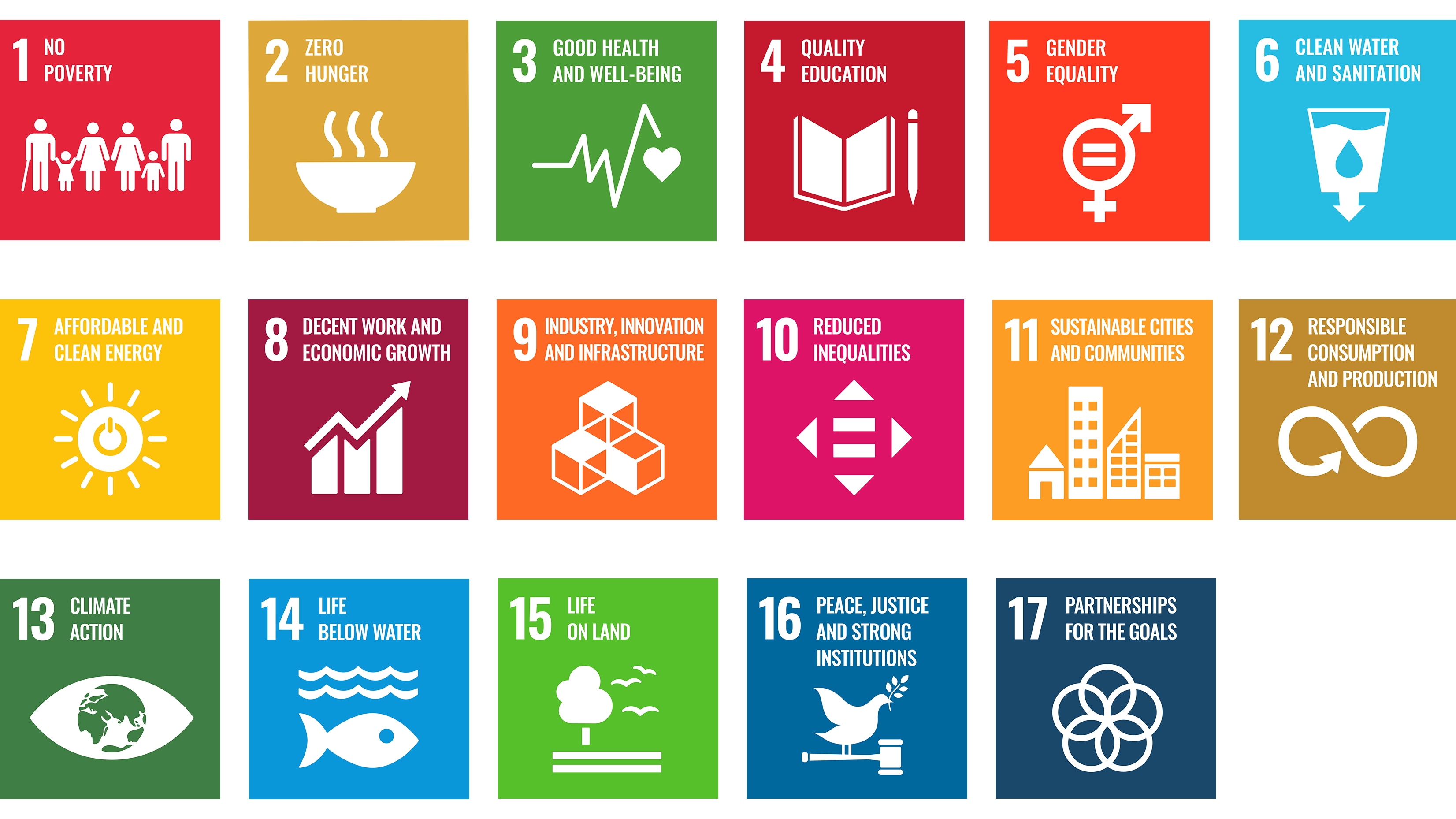
For the past ten years, Amina has watched mothers in her village walk miles under a punishing sub-Saharan sun, carrying infants whose ribs press against their skin like cage bars. She knows the statistics. She knows that back in New York, inside the gleaming glass citadel of the United Nations, diplomats once signed their names to seventeen grand ambitions known as the Sustainable Development Goals. Zero hunger. Clean water for all. Quality education. Gender equality. Seventeen shiny promises meant to remake the planet into a paradise by the dawn of the next decade.
Amina does not care about the seventeen numbers. She cares about number two. Zero hunger.
Because today, as she pours what little rehydration salts remain into a cracked plastic cup, she knows the brutal truth that global reports whisper in dry, bureaucratic footnotes: we are not going to make it. Not by 2030. Not by 2040.
To understand why the grand design of the Sustainable Development Goals is quietly collapsing under the weight of its own ambition, you have to stop looking at the spreadsheets. You have to look at the ground.
The Architecture of Utopia
In the autumn of 2015, the world experienced a rare spasm of collective idealism. Leaders from 193 nations gathered and drafted a blueprint. It was breathtaking in scope. It promised to eradicate extreme poverty everywhere, cure preventable diseases, shield oceans from plastic, halt climate destruction, and ensure every human being could read, write, and thrive.
It was a brilliant document. It was also an impossible dream wrapped in diplomatic language.
Imagine building a cathedral on shifting sand, telling yourself that because the blueprints are printed on expensive parchment, the foundation will magically harden. That is what happened to the 2030 Agenda. The drafters created an intricate matrix of 169 targets measured by 231 unique indicators. It is a bureaucratic spiderweb so dense that no single ministry in any government on earth can track it all at once.
When you measure everything, you manage nothing.
Take global poverty metrics. Before the ink was dry on the agreement, the world was hit by a cascade of shocks that the technocrats in Geneva never quite factored into their pristine linear models. A microscopic virus brought global commerce to its knees. Wars flared across critical grain corridors in Eastern Europe, sending fertilizer and wheat prices skyrocketing. Extreme weather events began shredding infrastructure faster than developing nations could patch it together.
The math simply broke. According to recent progress assessments from international monitors, a staggering majority of the SDG targets are currently lagging behind schedule, with many reversing entirely. We are sliding backward.
The Human Cost of Missed Deadlines
Let us step away from the macroeconomic data and visit a specific, albeit representative, neighborhood. Meet Mateo. He lives on the outskirts of a sprawling megacity in Latin America, in a settlement clinging to a mud cliff that liquefies every time the monsoon season arrives.
Mateo does not know what a sustainable development indicator is. But he knows what it feels like to watch his daughter’s school close because the municipal budget evaporated to pay national debt interest to foreign lenders.
This is the hidden engine driving the failure of 2030. You cannot feed children or build climate-resilient sewage systems when half your national revenue goes toward servicing loans taken out just to keep the lights on. The global financial architecture is rigged against the very countries that need the most help. Interest rates climb. Currencies plummet. And while bankers in distant capitals debate debt restructuring, Mateo watches the retaining wall above his home crumble another inch in the rain.
The UN goals were designed to be universal, applying to rich and poor nations alike. Yet, wealthy nations treat them as voluntary check-lists, while developing nations are handed a ledger of impossible demands backed by a fraction of the promised financial aid. Rich countries promised to dedicate 0.7 percent of their gross national income to official development assistance. Most have never hit it. They are funding their own domestic crises, leaving the global South to fend for itself against storms they did not create.
The Illusion of Linear Progress
We are conditioned to believe in upward trajectories. We think history moves like an arrow, shooting straight from ignorance to enlightenment, from poverty to prosperity.
Humanity does not move like an arrow. It moves like a drunken sailor crossing a cobblestone street in a gale.
When researchers plot the trajectory of clean water access or gender parity, they draw smooth, optimistic curves sloping upward to meet the 2030 milestone. But reality is jagged. It dips violently when a civil war erupts. It flatlines when corruption swallows foreign aid funds. It drops off a cliff when a multi-year drought turns arable land into dust.
Consider Goal Six: clean water and sanitation. Billions of dollars have been funneled into drilling boreholes across rural zones. Sounds like a triumph, right? Except five years later, half those pumps sit idle and rusting because no supply chain was established to provide spare parts, and no local technicians were trained to fix the piston seals when they cracked.
The well was dug. The ribbon was cut. The politicians posed for photographs. Then the press corps left, the pump broke, and the women went back to walking four miles to the turbid river.
That is the anatomy of a failed goal. It is rarely a dramatic explosion. More often, it is a quiet, rusting failure of maintenance and human will.
What Happens When 2030 Arrives?
People often ask what will occur when the clock strikes midnight on December 31, 2030, and we find ourselves staring at a world where extreme poverty still exists, carbon emissions are still too high, and inequality has widened.
Will the United Nations dissolve in shame? Will sirens wail across the capitals of the world?
No. The sun will rise on January 1, 2031. The diplomats will gather once more. They will look at the shattered wreckage of the old targets, clear their throats, and draft a new set of numbers. They will call it the 2050 Vision, or the Global Resilience Compact. They will change the font on the presentation slides, invent a fresh batch of acronyms, and pretend that the previous failure was simply a matter of bad timing rather than systemic structural delusion.
Meanwhile, Amina will still be in her clinic. Mateo will still be watching the mud cliff.
Does this mean the ideals behind the Sustainable Development Goals were pointless? Absolutely not. Having a mirror that shows us our collective failures is better than stumbling in the dark. The goals gave activists a club to beat recalcitrant governments with. They gave scientists a common language. They provided a moral baseline that proved, at least for one brief moment in history, that humanity was capable of imagining a world where no one is left behind.
The tragedy is not that we aimed too high and missed. The tragedy is that we pretended the destination was guaranteed if we just printed enough reports about it.
The clock is ticking down. The targets are slipping out of reach. But the lives behind those numbers do not vanish just because a deadline expires. They remain right here in the dust and the sunlight, waiting for someone to finally put down the spreadsheets, pick up a shovel, and start building from the bottom up instead of the top down.


