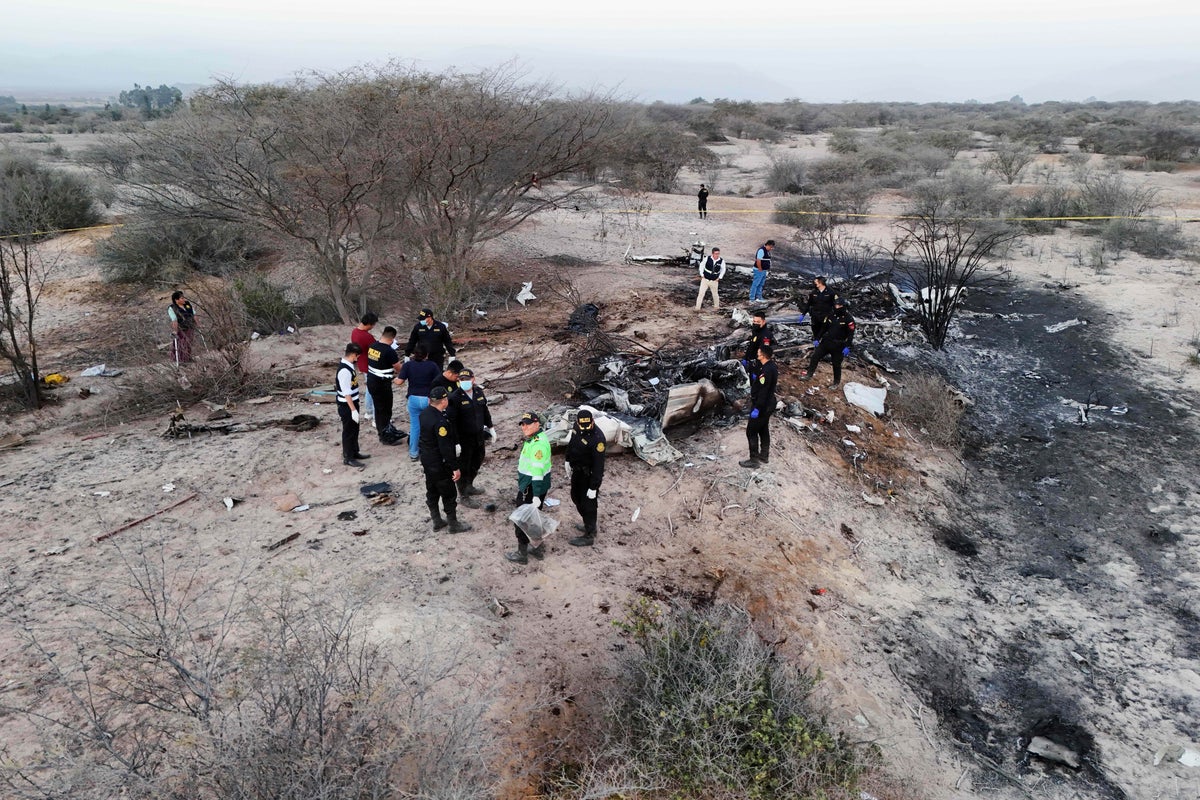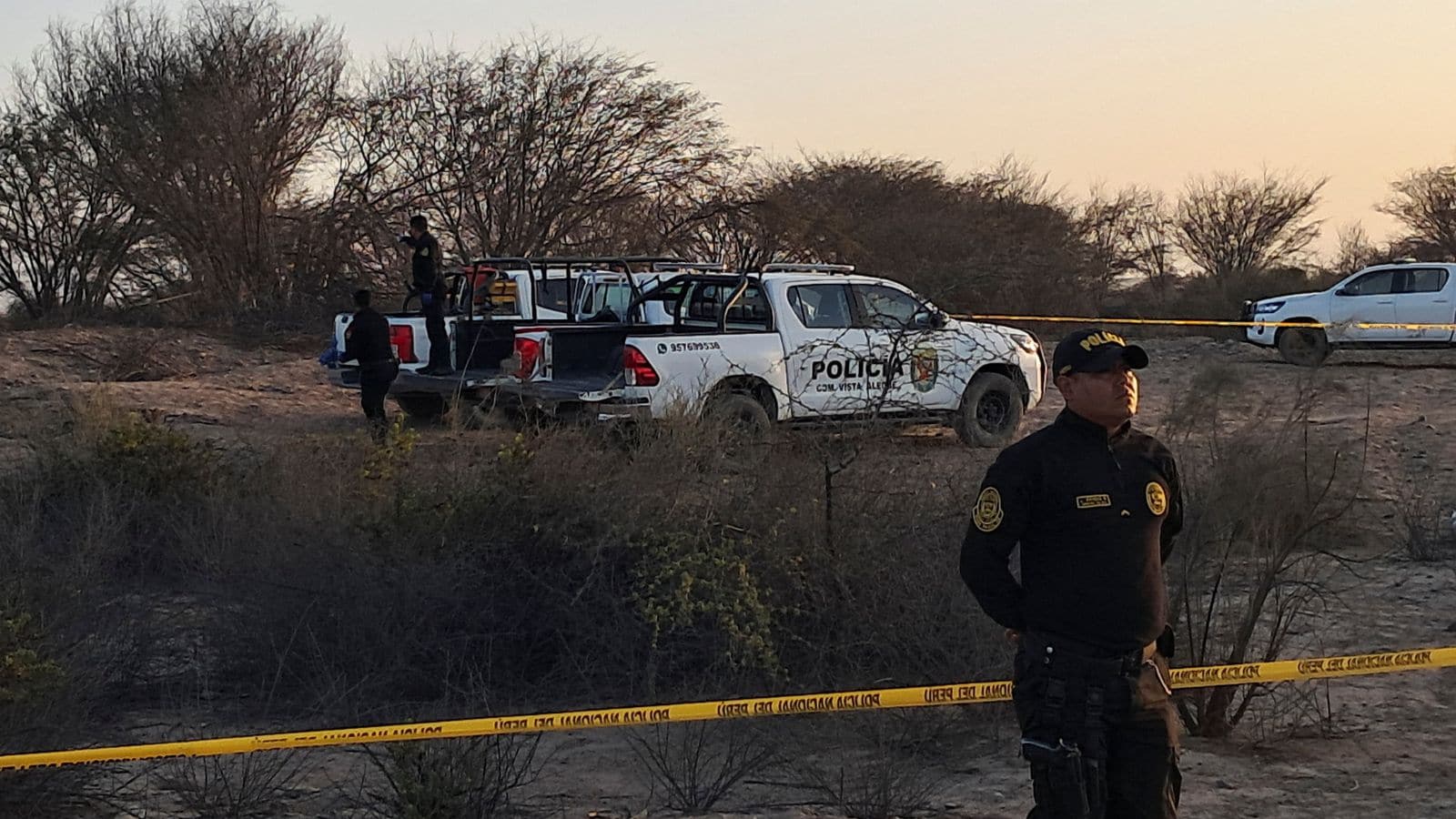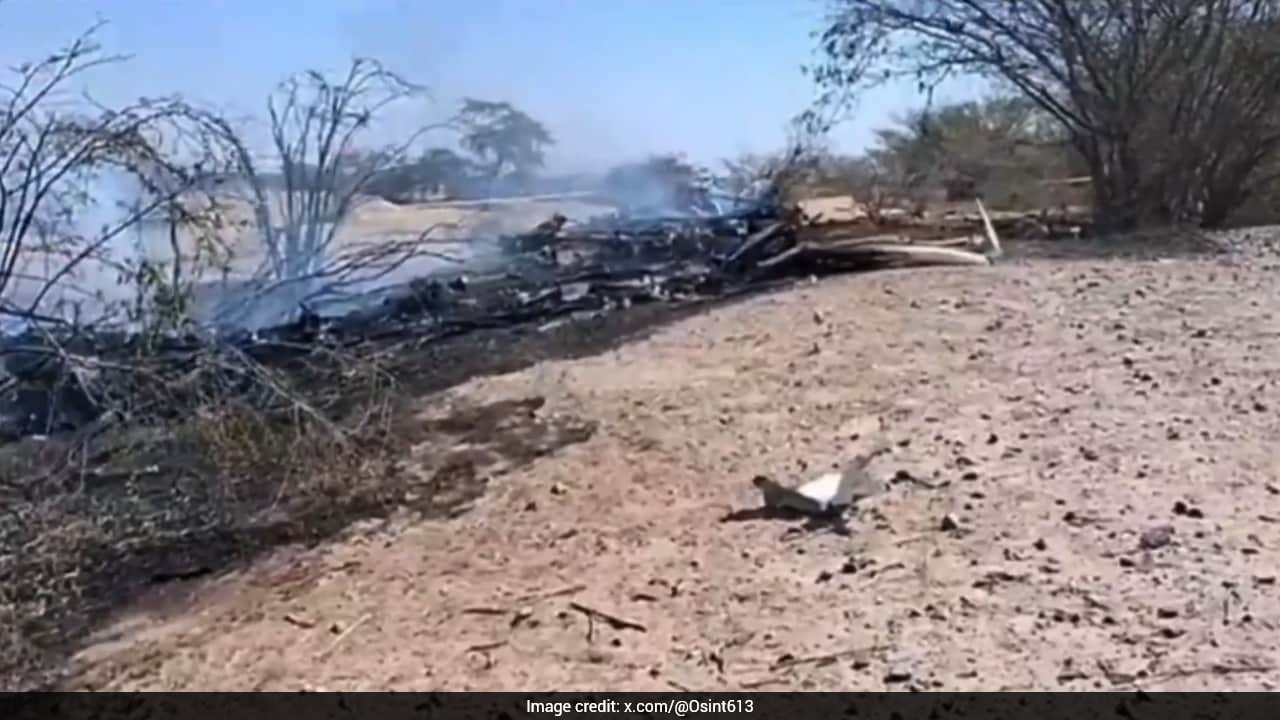
Every time a small aircraft goes down over a heritage site, the global outrage machine fires up on autopilot. The media shrieks about the perils of overtourism, bleeding ancient desert lines, and unregulated cowboy operators flying makeshift tin cans over the Peruvian desert. Thirteen dead near the Nazca Lines sparks the predictable chorus: shut down the flights, ban the air tours, protect the sanctity of the UNESCO monuments from the vulgarity of commercial sightseeing.
It is a comfortable, lazy consensus. It makes for great television and frictionless moral superiority. It is also entirely wrong.
Let us look at the mechanics of risk without the emotional hysteria. I have spent two decades consulting on remote aviation logistics across South America, and I have seen the same knee-jerk regulatory panic play out after every single aviation tragedy. When a plane crashes, the public demands the eradication of aviation in that sector. They assume that removing the planes equates to eliminating danger.
That is not risk management. That is superstition.
The Logistics of Desert Flight Operations
The tragedy near the Nazca Lines is treated by mainstream outlets as an anomaly of reckless profiteering. The reality of operating a Cessna or a Piper over the Peruvian pampa is a masterclass in austere micro-meteorology. The winds off the Pacific slam into the Andes, creating severe thermal mixing, abrupt wind shear, and sudden drops in visibility caused by localized dust devils and coastal haze.
Critics point to the age of the fleet or the frequency of flights as the root cause. They are looking at the wrong variables. The operational challenge in Nazca is not commercial greed; it is terrain-induced atmospheric instability combined with a severe lack of modern ground-based radar infrastructure.
When you fly a tight banking circle over the trapezoids and animal geoglyphs so passengers on both sides of a high-wing aircraft can snap a photo, you are executing a low-altitude visual flight rules maneuver in an environment with zero vertical reference points. The desert floor is a uniform, blinding expanse of pale silt and iron oxide gravel. Depth perception collapses. Horizon cues vanish.
Yet, banning these flights does not make the region safer. It merely shifts the danger onto the ground, where thousands of tourists crowd into unregulated, poorly maintained four-wheel-drive vehicles to navigate unpaved desert tracks that lack emergency services, communication networks, or trauma care facilities.
The Illusion of Safety Through Prohibition
Imagine a scenario where aviation over Nazca is permanently grounded by decree. The immediate effect is not the preservation of human life. It is a catastrophic compression of tourist transit into overloaded, unsafe road networks.
Road transport in rural Peru remains statistically orders of magnitude deadlier than commercial light aviation. By forcing thousands of visitors off short regional air routes and onto crumbly, single-lane mountain and desert highways, regulators trade a highly visible aviation incident for a steady, invisible stream of highway fatalities.
The aviation industry in Peru operates under strict civil aviation oversight by CORPAC and DGAC, patterned after international standards. Do rogue operators cut corners? Absolutely. In any market with high seasonal demand and thin margins, bad actors will push maintenance schedules and fly past weather minimums.
The solution to a rogue operator is not the eradication of an entire economic ecosystem. The solution is aggressive, unannounced ramp inspections, mandatory digital flight tracking, and the enforcement of strict commercial training minimums. But nuance does not sell newspapers. Bloodshed and a call for a total ban sell newspapers.
Deconstructing the Overtourism Myth
Another favorite talking point of the armchair preservationist is that tourist flights are physically eroding the Nazca Lines. Let's look at the physics of this claim.
The geoglyphs are shallow trenches scraped into the desert crust, exposed to extreme UV radiation, flash floods during rare El Niño cycles, and the natural deflation of the pampa. The idea that the downwash of a Cessna 208 Caravan cruising at one thousand feet above ground level is scouring away centuries-old stone arrangements defies basic aerodynamics.
The real threat to the geoglyphs is not the tourist plane overhead. It is urban encroachment, illegal squatters, and the Pan-American Highway itself, which slices directly through a portion of the archaeological zone. The highway pumps heavy diesel trucks, dust, and vibration right through the heart of the protected area twenty-four hours a day.
Blaming the air tours is a convenient deflection. It allows local authorities to look like they are taking decisive action against "destructive tourism" without having to confront the politically messy reality of municipal zoning failures, illegal mining operations, and highway expansion projects.
What High-Risk Tourism Actually Teaches Us About Human Agency
We live in a culture terrified of probabilistic reality. We want a zero-risk universe, which is a polite way of saying we want a stagnant universe.
Every time a tragedy strikes an adventure tourism hub—whether it is a submersible near the Titanic, a light aircraft over Nazca, or a trekking expedition in the Cordillera Blanca—the public demands a new tier of protective bureaucracy. We wrap ourselves in red tape to shield ourselves from the cold, indifferent math of mortality.
When you board a twelve-seat aircraft in a remote desert, you are accepting a calculated variance in safety margins compared to boarding an Airbus A320 operated by a legacy carrier at a major international hub. That variance is the price of admission to frontier experiences. It requires an adult relationship with risk.
Pretending that we can legislate risk out of existence through bans and punitive groundings is an infantile coping mechanism. It destroys local economies that depend entirely on aviation receipts, forces travelers onto far more dangerous transit alternatives, and creates a false sense of security that shatters the moment the next crisis hits on the highway.
The thirteen souls lost near Nazca deserve better than to be used as props for lazy editorializing about the evils of tourism. They deserve an honest accounting of regional aviation infrastructure, tighter enforcement of existing flight safety protocols, and a culture that respects the inherent hazards of exploring the edges of the map rather than trying to pave them over with useless prohibitions.
Stop demanding bans on the symptoms. Fix the infrastructure, enforce the standards, and accept that freedom of movement requires the courage to face reality.