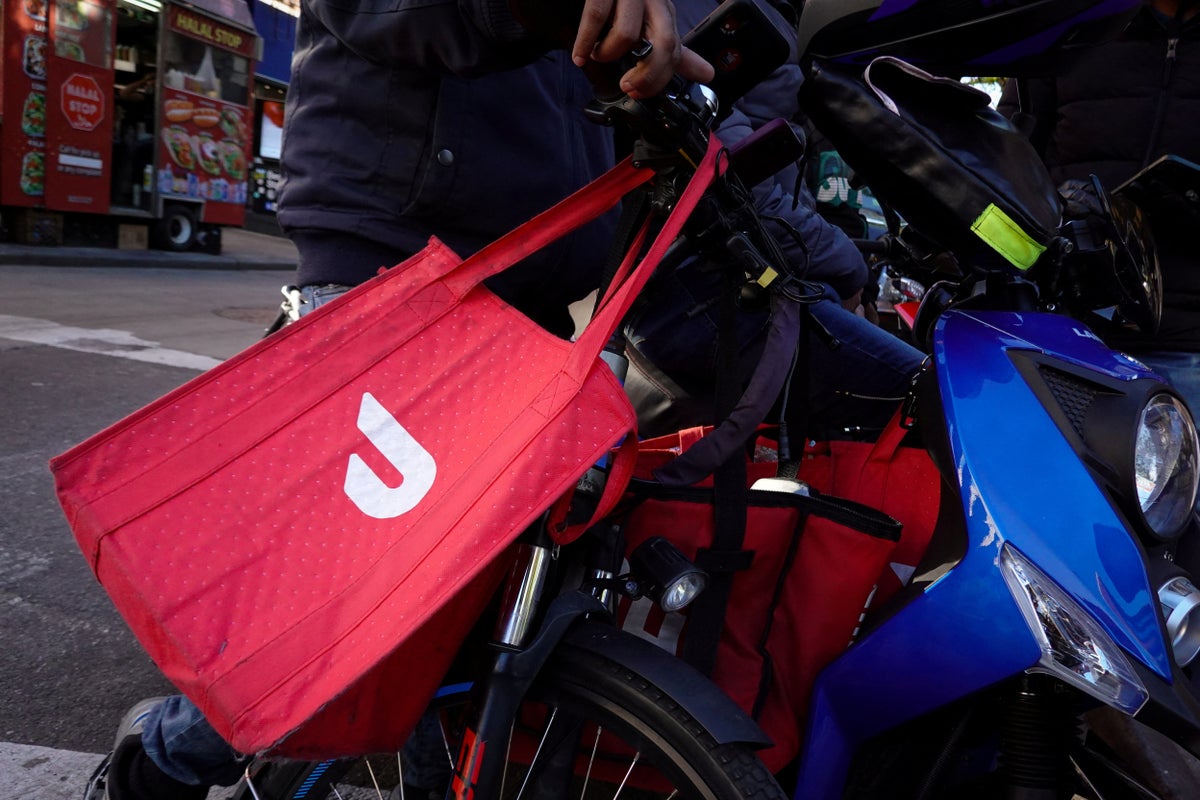
Everyone loves a hero story. The media loves a crusading bureaucrat stepping in to protect the exploited masses from the cold, unfeeling algorithm of the gig economy. The latest feel-good headline out of Australia celebrates a mandatory minimum rate of roughly thirty-one dollars an hour for delivery couriers, hailed as a world-leading triumph for worker rights.
It sounds compassionate. It feels like justice.
It is also an economic disaster disguised as a humanitarian victory.
I have watched companies burn through millions trying to navigate heavy-handed labor interventions, and the script never changes. When you mandate a high price for labor without changing the underlying economics of demand, you do not help workers. You price them out of existence.
Let us dismantle the lazy consensus.
The Mirage of the Hourly Guarantee
The core premise of the new Australian rules assumes that gig work is traditional employment that simply lacks a safety net. That is a fundamental misunderstanding of why gig platforms exist and how consumers behave.
Traditional employees have guaranteed hours because their output is managed, monitored, and restricted by a boss. Gig workers have flexibility. They choose when to log on, when to log off, and which orders to accept or reject. That optionality comes with a trade-off: earnings fluctuate based on market efficiency, speed, and location.
When you slap a rigid thirty-one-dollar floor on every single hour a courier spends on a platform, you destroy the market clearing price.
Economics does not care about good intentions. When the cost of a service rises sharply, demand contracts. People stop ordering thirty-dollar lunches with a fifteen-dollar delivery fee attached. They cook at home. They pick up food themselves.
As order volume plummets, platforms cannot afford to keep thousands of idle couriers online "just in case" orders spike. The math is brutal. If a platform is forced to pay a guaranteed minimum wage, they must tightly control who is allowed to work, when they work, and how fast they move.
Congratulations. You just killed gig work and recreated the exact rigid shift-scheduling system that people escaped to find flexibility in the first place.
Who Actually Wins Under This Model
Let us look at who benefits from these regulations. It is not the casual student trying to make rent between lectures. It is not the immigrant supplementing family income during off-peak hours.
The primary beneficiaries are incumbent labor unions and full-time, professionalized operators who managed to lock down status before the door slammed shut. By raising the cost of entry, regulation creates a moat. It protects existing workers by pulling up the ladder behind them.
Every time you hear politicians praise "world-leading labor standards," translate it correctly: "barriers to entry designed to protect legacy employment structures."
When compliance costs skyrocket, platforms consolidate. Smaller, local delivery outfits fold because they lack the legal infrastructure to audit minute-by-minute activity to satisfy regulatory boards. The market concentrates into a duopoly or monopoly. Less competition means lower efficiency, higher consumer prices, and fewer overall opportunities.
The Flawed Premise of Hourly Output
Another major error in the standard narrative is treating all delivery hours as equal.
Imagine a scenario where a courier logs on during a dead Tuesday afternoon in a sprawling suburb. Orders trickle in once every hour. Under a strict minimum wage regime, the platform is now forced to pay that worker thirty-one dollars for sitting in a parking lot scrolling social media.
No sane business model can absorb that kind of inefficiency for long. The immediate corporate response is predictable: algorithmic micromanagement.
Platforms will track every keystroke, every second of dwell time at a restaurant, and every route deviation. If a courier is not generating enough economic value to justify that hourly rate, they will be locked out of the app permanently. The illusion of freedom vanishes. You are an employee in every burdensome way, minus the sick leave, health insurance, and retirement contributions.
That is not worker protection. That is exploitation with extra steps, engineered by regulators who do not understand marginal utility.
The Alternative Nobody Wants to Discuss
If we genuinely want to improve the financial reality of delivery workers without destroying the ecosystem, we need to stop looking backward at twentieth-century labor laws and start looking at how modern markets actually operate.
First, decouple benefits from employment status entirely. The obsession with tying healthcare, insurance, and income floors to a specific corporate employer is a relic of the industrial revolution. Portable benefits that travel with the worker across multiple apps—rideshare, food delivery, grocery services, freelance writing—allow individuals to accumulate a safety net without sacrificing flexibility.
Second, transparency over mandates. Instead of forcing an artificial price floor that shrinks the total pie, focus on transparent pricing mechanics, clear tip structures, and protection against arbitrary deactivations. Let workers see the actual breakdown of transaction fees so they can negotiate their terms or choose competing platforms that offer better splits.
When you mandate wages, you treat workers like children who cannot calculate their own risk-reward ratio. When you build portable safety nets, you treat them like independent micro-entrepreneurs.
The Australian model will be praised in academic circles and union halls for years. But watch the actual metrics on platform retention, part-time worker availability, and consumer cost over the next twenty-four months.
The math always wins.
Stop pretending you can legislate market realities out of existence. The gig economy did not break labor; it exposed how outdated our labor laws truly are. Forcing a square peg of rigid mandates into the round hole of dynamic peer-to-peer markets does not fix the system.
It just breaks the workers it was designed to save.



(mh=9Y7FVrqyxdiBUQYR)0.jpg)