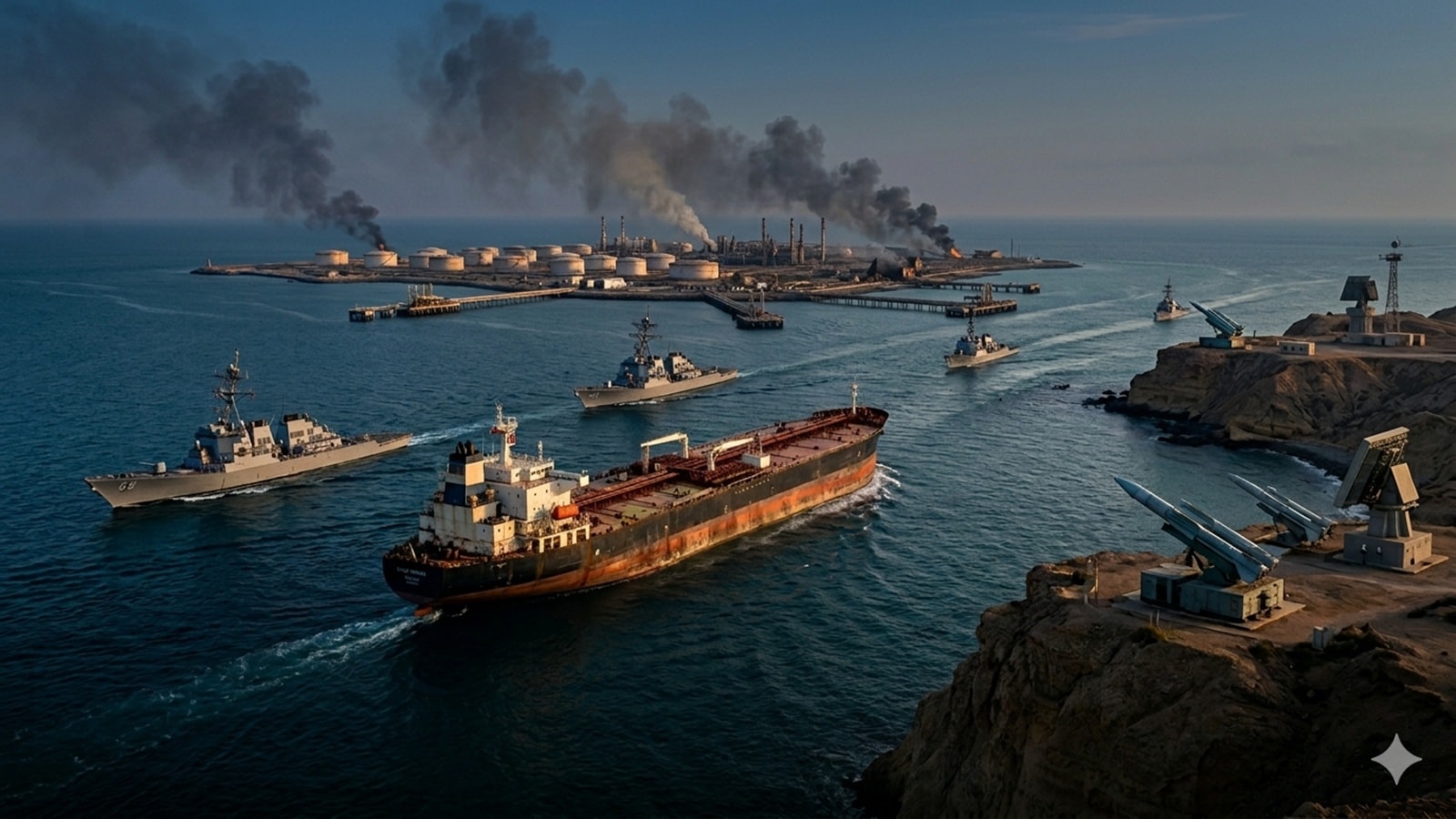
When Washington and Israel launched an air campaign against Iran, they broke more than just military installations. They choked the Strait of Hormuz, trapping a massive chunk of global energy supplies and leaving Gulf capitals exposed to relentless retaliatory strikes.
Now, countries like Saudi Arabia and the United Arab Emirates aren't looking to the United States to clean up this shipping nightmare. They are turning straight to China. It's a calculated gamble that exposes deep frustration with Western military strategies and tests just how much economic muscle Beijing actually holds over Tehran.
The Cost of American Military Solutions
You can't bomb your way to a stable oil supply. The joint military actions that started in late February 2026 were supposed to cripple Iran's aggressive posture. Instead, the Iranian Revolutionary Guard Corps locked down the Strait of Hormuz with naval mines, drone swarms, and missile threats, turning a vital economic artery into a ghost zone.
For Gulf nations, the fallout has been brutal. Their own energy exports stalled, tankers sat idle, and domestic infrastructure absorbed incoming drone and missile fire. Washington's response relied on naval escorts and kinetic strikes, which only escalated the regional temperature. Gulf leaders realized that American security guarantees come with a dangerous side effect: total regional disruption.
Why Beijing Is Getting the Call Instead
China occupies a completely different position in the regional power equation. Beijing is the world's largest importer of crude oil and Iran's primary trading partner. When the conflict ignited, China's oil imports plunged drastically as prices soared, giving Beijing an immediate economic incentive to restore calm.
Gulf diplomats have quietly engaged Chinese Foreign Minister Wang Yi and special envoys to pressure Tehran into reopening maritime routes. Unlike Washington, which leads with aircraft carriers and ultimatums, Beijing relies on quiet economic leverage and a transactional foreign policy. Gulf states respect that quiet approach because it avoids the public humiliation of subservience to Western defense agendas.
The Limits of Chinese Influence
Don't expect miracles from Beijing overnight. China wants stable oil flows, but it hates military entanglement. While Chinese diplomats have held intensive talks across Gulf capitals and Tehran, Beijing has steadfastly refused to deploy warships to clear mines or fight proxy battles in the strait.
Chinese strategy focuses on avoiding direct fallout with Washington while maintaining cheap access to sanctioned oil. Gulf officials know this. Their outreach to China is as much a test of Beijing's true regional weight as it is a practical plea for help. If Beijing can squeeze Tehran into a compromise, it proves a new security architecture is taking shape in the Middle East. If it fails, Gulf states will be left searching for alternative routes that bypass the Persian Gulf entirely.
Protecting national economic interests now requires looking past traditional Western alliances. Watch how Beijing handles its upcoming diplomatic summits; the outcome will dictate whether energy shipments flow freely or remain hostage to a prolonged standoff.