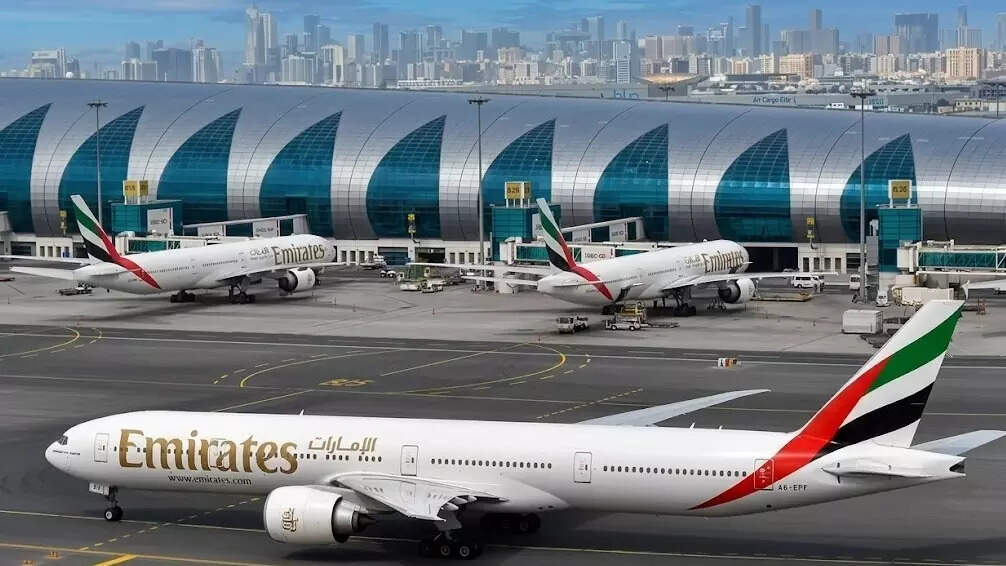
Getting stuck at an airport is a nightmare, but getting stuck during a regional airspace shutdown in the Middle East is a different level of chaos. If you're looking at your phone right now wondering if your flight out of Dubai or Abu Dhabi is actually happening on March 7, I have some news. It’s not business as usual.
Airports across the UAE, including DXB and Zayed International, have "partially resumed" operations, but that’s airline-speak for "we’re trying, but it’s still a mess." Most scheduled services are grounded. The flights moving right now are mostly repatriation or essential services. If you don't have a confirmed seat and a direct green light from your airline, staying home is your best bet.
The Ground Truth for March 7
Airspace restrictions aren't just a suggestion; they're hard limits. Because of the ongoing situation involving regional tensions, carriers are navigating a very narrow corridor of safety. Here is exactly what’s happening at the major hubs.
Dubai International (DXB) and Al Maktoum (DWC)
Dubai has reopened for limited flights. I’ve seen reports that they handled over 1,140 movements recently, but don't let that number fool you. Access roads to DXB are currently restricted. Security will literally turn you away if you can’t show a confirmed booking for a flight departing within the next few hours. They aren't letting people "wait and see" in the terminal anymore to avoid overcrowding.
Etihad and Abu Dhabi
Etihad started a limited commercial schedule on March 6, focusing on about 25 key international destinations. If you're heading to London, New York, or major Indian hubs like Mumbai, you might have a chance. But again, "limited" is the keyword. If your destination isn't a massive global hub, your flight is likely still on ice.
Sharjah and Northern Emirates
Air Arabia has pushed most of its regular schedule back to March 9. They’re running a few "safety-approved" flights, but it’s a skeleton crew operation. Ras Al Khaimah (RKT) is in a similar boat—open, but barely.
Rebooking and Refund Rules You Need to Know
Airlines are being surprisingly flexible right now because they have to be. They don't want you clogging up their phone lines or their check-in counters. Most have issued wide-reaching waivers, but the fine print matters.
- Emirates: If your ticket was issued between February 28 and March 31, you can rebook for travel until April 30 without any change fees. They’re also offering full refunds on the unused portions of your trip. Don't try to do this via the "Manage My Booking" tool if it looks glitchy; sometimes it tries to charge you a fee it shouldn't. It's better to use their specific refund request form.
- Etihad: They’re being a bit more generous with the timeline. If you have a ticket issued on or before February 28, you can move your travel dates all the way to May 15 for free.
- flydubai: They aren't big on cash. If you cancel, you’re likely getting a voucher valid for future travel rather than a hit to your bank account. You can rebook within 30 days of your original date for free, though.
- Air Arabia: You get one free date change within 15 days of your original flight. After that, it’s a credit voucher or a refund.
Why You Should Stop Checking the Flight Board
The "Estimated Departure" time on a website is basically a work of fiction during a crisis like this. Airlines are prioritizing passengers who were stranded days ago. If you just booked a flight for today, you’re at the back of a very long line.
Transit passengers have it the worst. If you're planning to fly into Dubai to catch a connection, Emirates and flydubai will only let you board your first leg if your second leg is 100% confirmed and operating. If there’s even a hint of doubt, they’ll stop you at your origin airport. It's better than being stuck in the transit lounge for 48 hours, honestly.
Common Mistakes People are Making Right Now
I've seen people rushing to the airport because they "heard" flights were starting again. Don't do that. You’ll just end up sitting on a suitcase in a parking lot.
Another mistake? Ignoring your email. Airlines are sending direct notifications to the contact info in your PNR (Passenger Name Record). If you booked through a third-party site like Expedia or a local travel agent, the airline might not have your direct cell number. Call your agent and make sure they’ve passed your details along, or manually update them on the airline’s "Manage Booking" page.
Real Steps You Can Take Now
Stop refreshing the general flight status page and do these three things instead.
- Check the "Manage Booking" section specifically for your PNR. That’s where the most accurate info lives, not the general arrivals/departures board.
- Download the airline app and enable push notifications. It’s faster than email.
- Secure a backup plan. If you’re in a hotel, ask about extending your stay at a "distressed passenger" rate. Many UAE hotels are offering these right now.
If you’re still waiting for a flight, keep your bags packed but stay at your accommodation. Heading to the airport without a confirmed "Go" signal is just adding to the congestion. If your flight is canceled, initiate the refund or rebook process online immediately rather than waiting to talk to someone in person.