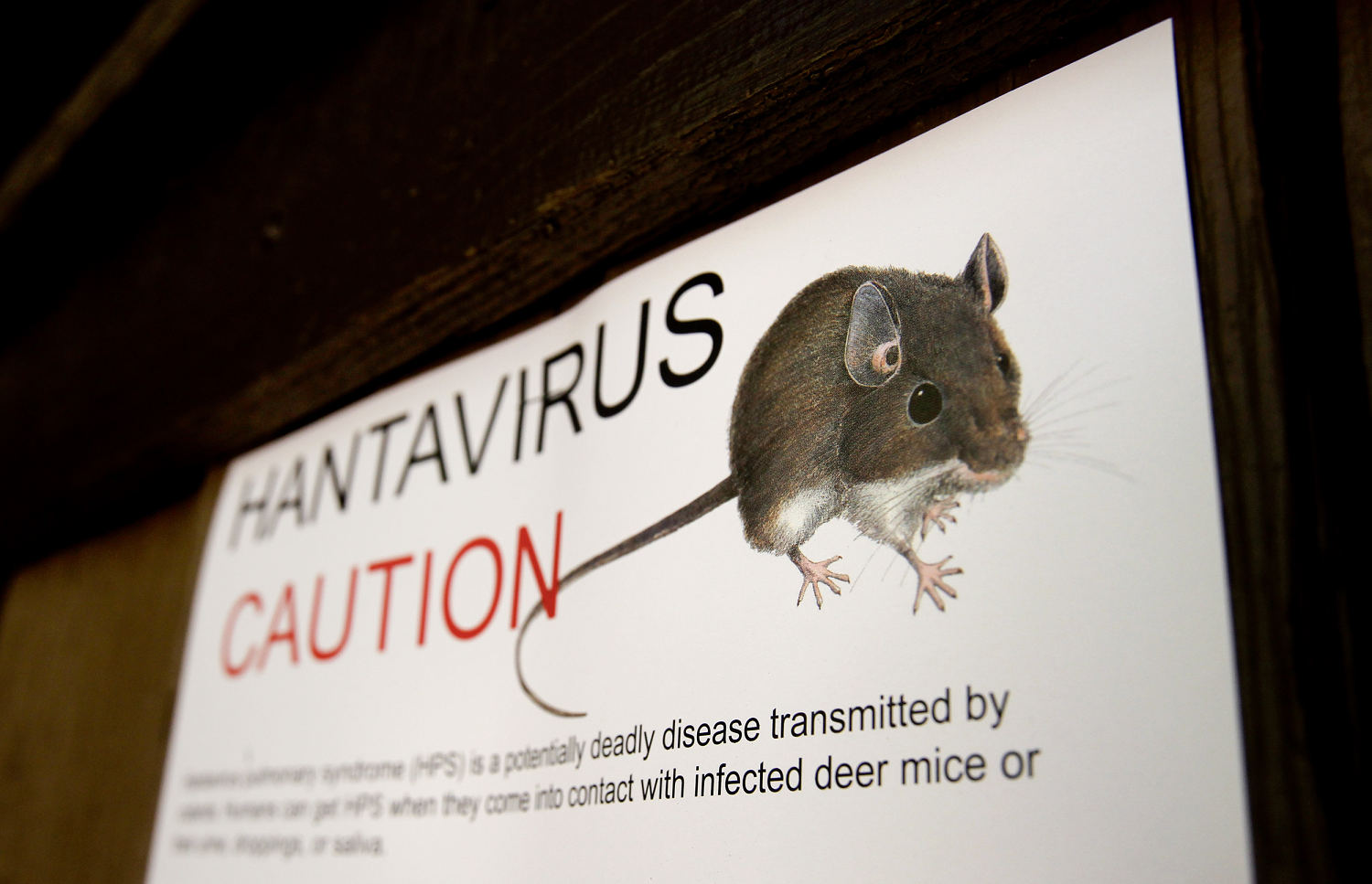
Hantavirus Pulmonary Syndrome (HPS) is a severe, sometimes fatal, respiratory disease that humans contract primarily through contact with infected rodents or their excreta. While the medical community identifies the Sin Nombre virus as the primary culprit in North America, the reality of the threat is far more complex than simple proximity to mice. It is a disease of environmental disruption and biological chance. Understanding hantavirus requires looking past the basic symptoms of fever and muscle aches to the underlying mechanics of how a rural pathogen infiltrates the human lungs to trigger a catastrophic immune overreaction.
The danger is not just the virus itself, but where it hides and how it travels. It does not spread between humans in the United States; instead, it waits in the dust of disturbed nests and the quiet corners of seasonal cabins.
The Rodent Reservoir and the Mechanics of Transmission
The deer mouse serves as the primary host for the Sin Nombre strain, but it is not the only player in this biological drama. White-footed mice, cotton rats, and rice rats also carry various forms of hantavirus across different geographic regions. These rodents are asymptomatic carriers. They shed the virus in their saliva, urine, and droppings without ever showing signs of illness. This creates a permanent, invisible reservoir in the wild.
Transmission occurs through a process called aerosolization. When dried droppings or nesting materials are stirred up—often by a broom, a vacuum, or even a gust of wind—the virus hitches a ride on microscopic dust particles. You breathe it in. The particles settle deep in the lower respiratory tract. This is the moment of infection. It is silent. There is no immediate cough or sneeze to warn the victim that their internal environment has just changed.
While many focus on the risk of direct bites, those cases are statistical outliers. The real threat is the mundane act of cleaning out a garage or opening a shed that has been closed for the winter. The virus is surprisingly fragile outside the host, usually dying within hours when exposed to direct sunlight, but in dark, humid environments, it can persist for days.
The Biological Ambush
Once the virus enters the lungs, it targets the endothelial cells—the cells that line the blood vessels. Unlike the flu, which destroys the lining of the airways, hantavirus is more subtle. It turns the body’s defense system against itself.
After an incubation period that can last anywhere from one to eight weeks, the initial symptoms appear. They are deceptive. Fatigue, fever, and muscle aches in the large muscle groups like the thighs and back feel like a standard bout of influenza. However, as the viral load increases, the body’s immune response moves into a phase of hyper-inflammation.
The capillaries in the lungs begin to leak. This is not a slow trickle. In severe cases, the lungs fill with fluid so rapidly that the patient effectively drowns from the inside out. This stage, known as the cardiopulmonary phase, characterized by shortness of breath and a crashing blood pressure, can progress from mild discomfort to critical respiratory failure in a matter of hours.
Environmental Triggers and Population Surges
We cannot view hantavirus as a static threat. It is a boom-and-bust cycle tied directly to the health of the local ecosystem. Heavy rainfall following a prolonged drought is often the catalyst for an outbreak.
Consider the "trophic cascade" effect. Increased precipitation leads to a surplus of pine nuts, acorns, and seeds. This food glut causes a population explosion among deer mice. More mice mean more competition for nesting space, pushing the rodents closer to human dwellings. As the mouse population density increases, the prevalence of the virus within that population also rises. It is a numbers game where the odds of human contact shift dramatically in favor of the pathogen.
Climate variability acts as the primary engine for these shifts. When we see a particularly green spring in the Southwest, public health officials brace for a rise in HPS cases. It is a predictable, yet unavoidable, consequence of biological abundance.
The Diagnostic Gap
The greatest hurdle in surviving hantavirus is the timeframe. Because the early symptoms mirror common ailments, many patients do not seek specialized care until they reach the pulmonary phase. By then, the window for effective intervention is closing.
There is no "cure" for hantavirus. There is no vaccine, and antiviral drugs like ribavirin have shown little effectiveness in clinical trials for the North American strains. Treatment is purely supportive. This means placing the patient on a ventilator and using extracorporeal membrane oxygenation (ECMO) to oxygenate the blood outside the body while the lungs attempt to recover.
Critical Indicators for Medical Intervention
- Rapid onset of shortness of breath following a week of flu-like symptoms.
- Low platelet counts which often precede the respiratory crash.
- History of rural exposure or cleaning activities in enclosed, rodent-prone spaces.
Medical professionals in endemic areas are trained to look for these red flags, but a traveler returning from a rural hiking trip to an urban center might find themselves in an emergency room where the staff has never seen a case of HPS. This geographic disconnect is a significant factor in the high mortality rate, which remains near 38 percent.
Breaking the Chain of Exposure
Prevention is the only reliable defense against a pathogen with no known cure. However, the standard advice of "avoiding mice" is insufficient for those living in rural or suburban-fringe areas. Strategy must replace simple avoidance.
When dealing with a potential infestation, the goal is to neutralize the virus before it can reach the air. This requires a shift in cleaning philosophy. You must never use a broom or a vacuum in an area where rodent droppings are present. These tools are aerosolization engines. Instead, the area must be saturated with a disinfectant—a mixture of bleach and water or a commercial virucidal cleaner.
Wet down the droppings and nesting materials completely. Let them soak for at least five minutes. This traps the viral particles in the liquid and kills the virus on contact. Only after this soaking period should the materials be wiped up with paper towels and disposed of in sealed bags.
The Myth of Urban Immunity
While hantavirus is traditionally associated with the Four Corners region of the United States, it is a mistake to view it as a regional curiosity. Variants of the virus exist globally. In South America, the Andes virus has shown the terrifying ability to spread from person to person, albeit in limited clusters. In Europe and Asia, the Puumala and Hantaan viruses cause Hemorrhagic Fever with Renal Syndrome (HFRS).
The symptoms of HFRS differ from HPS—focusing on kidney failure rather than lung collapse—but the source remains the same: rodents. As urban sprawl continues to push into previously wild habitats, the interface between humans and these viral reservoirs expands. Construction projects that disturb long-standing rodent colonies can trigger localized spikes in exposure.
We are not dealing with a relic of the past, but a highly adapted biological entity that thrives in the cracks of human infrastructure. The virus does not seek out humans; it simply exists in the periphery of our lives, waiting for the moment we disturb its habitat.
The only way to mitigate the risk is to treat every long-dormant shed, crawlspace, or cabin as a potential biohazard. Vigilance in exclusion—sealing holes larger than a pencil lead with steel wool and caulk—is the most effective long-term strategy for keeping the reservoir at a distance. Stop the mice, and you stop the virus.