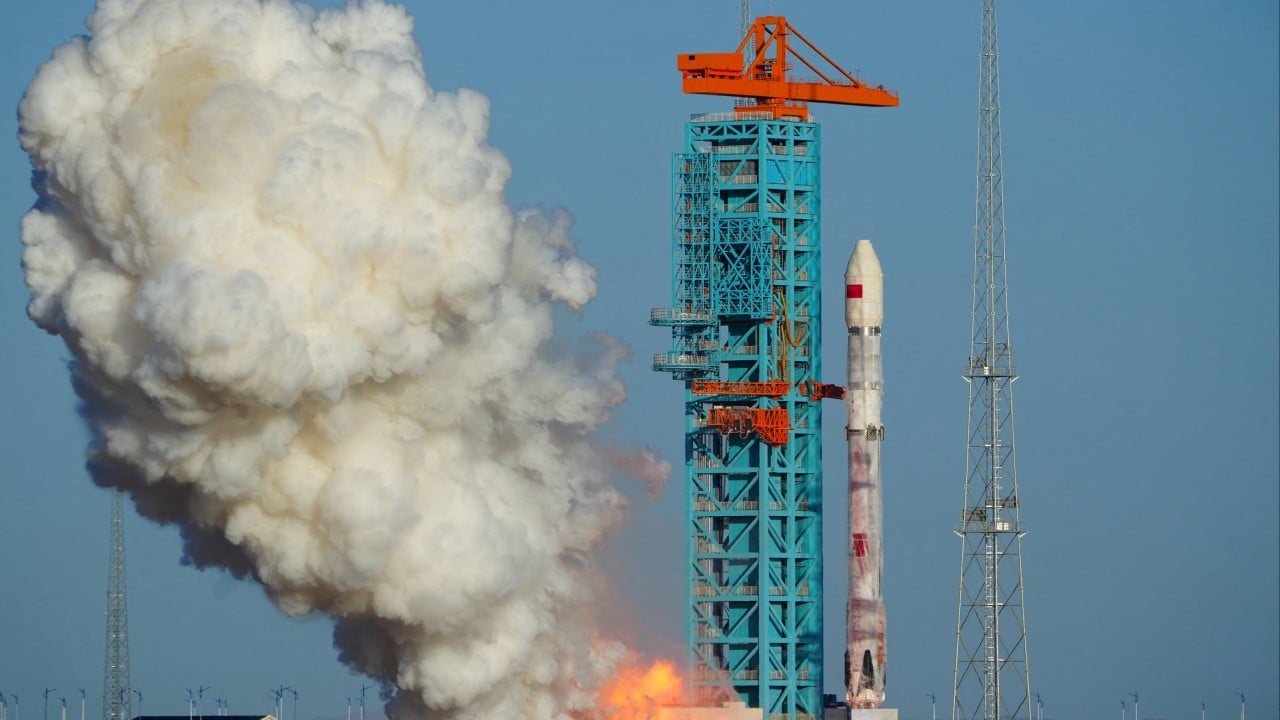
The commercial space economy is no longer a billionaire's vanity project or a distant science fiction storyline. With major industry players rewriting the financial rules of low-Earth orbit, capital markets are scrambling to fund the next wave of rocket builders and satellite manufacturers. Against this backdrop, Hong Kong financial regulators are aggressively positioning the city as the go-to listing hub for aerospace startups. If you look past the geopolitical noise, this push is a calculated financial strategy to capture a multi-billion-dollar supply chain that is rapidly moving away from purely state-funded missions.
The Trillion-Dollar Catalyst Reshaping Global Markets
The sudden urgency among Asian exchanges stems from a massive shift in global capital. When dominant U.S. launch providers pursue historic public floats that challenge traditional valuation ceilings, international investors take notice. Yet, regulatory barriers and defense export controls like ITAR frequently lock Asian capital out of Western space offerings.
This exclusion created a massive vacuum. Beijing and regional financial authorities realized that domestic satellite networks, tracking infrastructure, and reusable rocket developers need deep pools of public capital to scale. Hong Kong is stepping in to fill that void. By encouraging private aerospace firms to launch initial public offerings on its exchange, the city wants to anchor itself as the primary financial gateway for the Eastern commercial space sector.
Why Traditional Exchange Rules Do Not Work for Rockets
Taking an aerospace hardware company public is entirely different from floating a software-as-a-service startup. Traditional stock exchanges traditionally demand years of stable profitability before ringing the opening bell. Building rockets, however, means burning through massive amounts of capital on research, explosive tests, and failed prototypes before a single commercial payload ever reaches orbit.
Hong Kong's recent regulatory adjustments are designed to accommodate these high-risk, capital-intensive business models. By adapting listing frameworks for specialized technology and advanced manufacturing firms, the bourse is welcoming pre-revenue or loss-making enterprises that possess heavy research and development expenditures.
This flexibility is crucial. Private rocket builders and satellite-AI startups cannot wait until they have ten years of predictable cash flow to seek public funding. The cadence of the modern space race demands rapid manufacturing scales to populate low-Earth orbit mega-constellations. Without reform, regional exchanges would lose these high-growth assets to domestic mainland venues or private equity funds entirely.
The Reality Check on Space Startups
Going public brings an entirely new set of pressures that engineering-focused founders often underestimate. When a rocket manufacturer transitions from private funding rounds to public market scrutiny, quarterly earnings reports replace long-term vision.
Market volatility becomes an immediate hurdle. A single launch anomaly or static-fire test failure can trigger sharp drops in share price, affecting investor confidence and future capital raises. Furthermore, retail investors accustomed to traditional tech margins must understand that aerospace hardware operates on long asset cycles. Manufacturing liquid-propellant engines and building global ground station networks takes years.
The recent market debut of specialized space-AI firms in Hong Kong highlights this exact tension. While public listings provide the necessary liquidity to scale operations, public markets can be brutally unforgiving when initial revenue numbers lag behind ambitious technological narratives.
What This Means for Global Investors
If you are tracking technology investments, treating aerospace as a niche sector is a major mistake. The commercialization of low-Earth orbit impacts everything from global telecommunications to agricultural monitoring and defense logistics.
Hong Kong's concerted push to support satellite and rocket IPOs ensures that capital will keep flowing into non-U.S. supply chains. Watch how upcoming listings structure their research and development spending relative to their market valuations. Pay close attention to whether these firms can transition from experimental test flights to high-cadence commercial manifests. The winners won't just have impressive launch videos—they will have sustainable unit economics that satisfy public market discipline.
