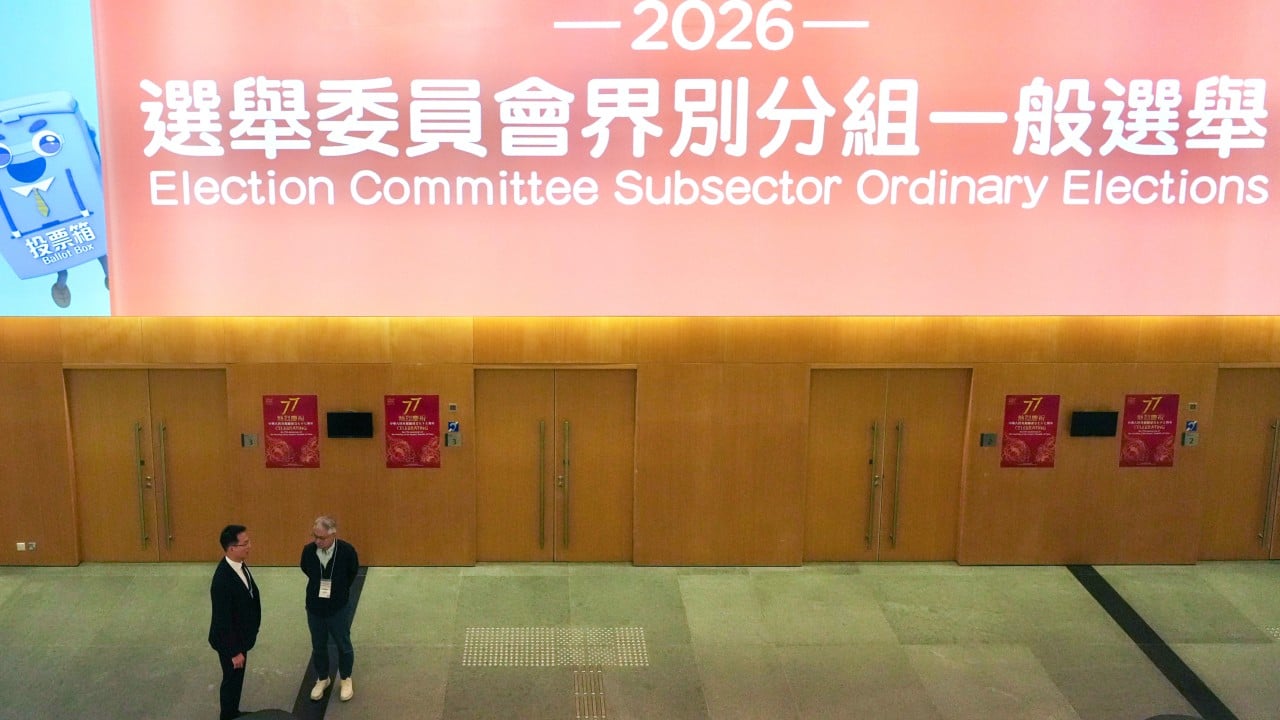
If you only pay attention to direct elections, you are missing the entire engine of Hong Kong's political machinery. When nomination periods open and subsector elections roll around, most casual observers shrug and look away. That is a mistake.
The 1,500-strong Election Committee is not just an administrative checkbox. It holds massive structural power over who gets to run the city and how public policy takes shape. Understanding why these polls matter requires looking past the dry bureaucratic framing and examining how real influence is distributed.
The Core Power of the Election Committee
Most people think elections in financial hubs are all about popular choice. In reality, the Election Committee acts as the ultimate gatekeeper and kingmaker.
This body carries three distinct responsibilities that dictate the political landscape:
- It elects the Chief Executive.
- It nominates candidates for the top job.
- It picks 40 members of the Legislative Council and nominates hopefuls for those seats.
When you control who gets nominated, you control the options on the ballot. That makes the subsector battles fierce behind closed doors, even if voter rolls look different from western-style open formats. The nomination phase serves as the initial filter where political survival is decided.
Five Sectors and the Battle for Subsectors
The committee splits across five distinct societal sectors, each representing 300 members to hit that 1,500 total. These range from industrial and commercial heavyweights to grassroots organizations, labor unions, and professional bodies.
When nomination windows close and candidate lists get vetted by the Candidate Eligibility Review Committee, the real contest begins. In cycles featuring hundreds of validly nominated candidates fighting over hundreds of contested seats across dozens of subsectors, competition is real. Certain subsectors see heavy multi-way scrambles for seats, while others sail through uncontested.
If you want to understand where business lobbying meets statecraft in Hong Kong, look at how trade associations, professional bodies, and regional groups lobby to get their people into these subsectors.
Moving Past the Noise
Critics often dismiss subsector polls as low-turnout internal affairs. They miss the strategic point. The candidates who win these seats form the core alignment between local commercial interests, professional elites, and Beijing’s broader administrative expectations.
When you track who secures nominations in fields like technology, finance, or legal subsectors, you see the shifting priorities of the territory. Tech and innovation groups carry heavier weight now than they did a decade ago, reflecting economic shifts toward digital infrastructure and mainland integration.
Keep your eyes on the subsectors that deal directly with economic development and district governance. That is where policy shifts actually start.


