Professional sports require a basic baseline of trust. When fans sit in the stands or watch a live stream, they assume both teams are actually trying to win. The moment that assumption breaks down, the entire infrastructure of the sport collapses.
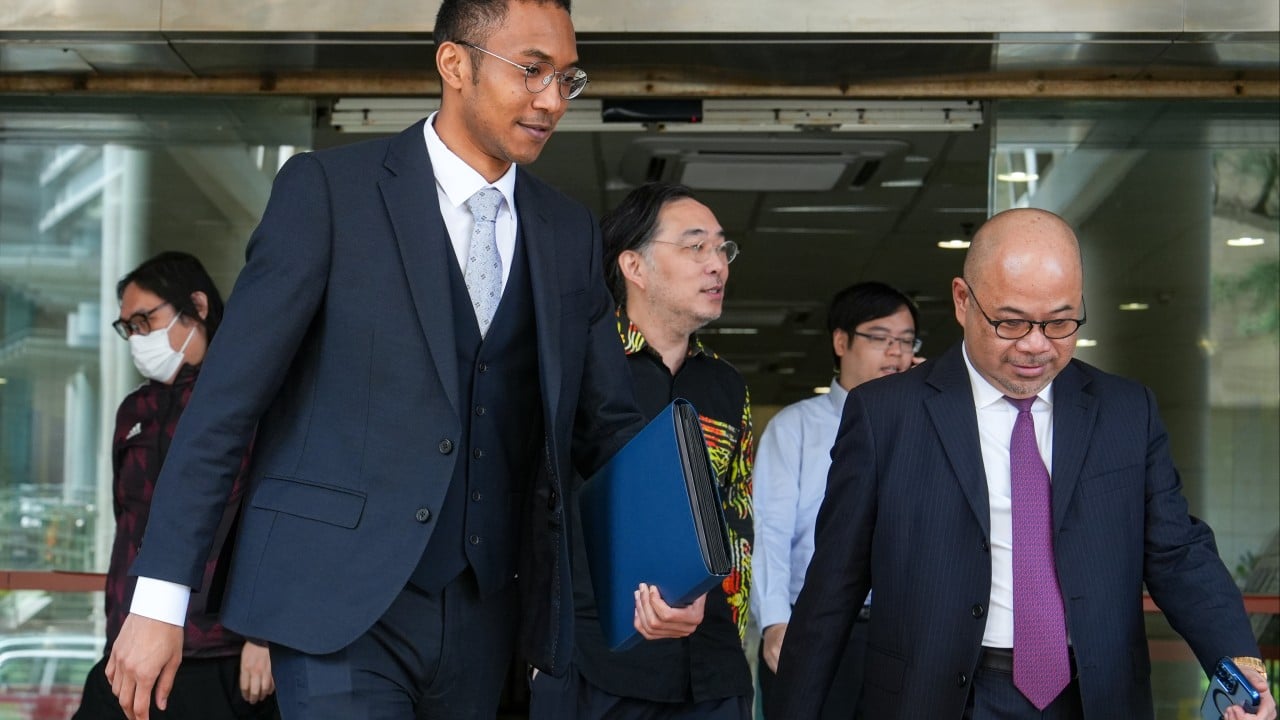
On May 29, 2026, the West Kowloon Magistrates' Courts handed down prison sentences of up to 17 months to two professional footballers and a local betting agent. This wasn't a sudden, isolated mistake. It was the culmination of a multi-year, systematic operation to rig matches across the Hong Kong Premier League and the Hong Kong First Division. Meanwhile, you can explore similar events here: The Myth of Clairefontaine and the Exploitation of the Banlieues.
The case highlights how vulnerable lower-tier professional leagues are to syndicated crime. It also shows the lengths to which regulatory bodies like the Independent Commission Against Corruption (ICAC) must go to protect the integrity of local sports.
Anatomy of a Local Match Fixing Syndicate
The details exposed during the trial paint a picture of a calculated, multi-season effort to manipulate match outcomes for gambling profit. The scheme operated across two distinct football seasons between 2021 and 2023. It involved three main actors who shifted roles from recruiters to active manipulators on the pitch. To see the full picture, we recommend the excellent report by FOX Sports.
The Key Players and Their Sentences
The court distributed sentences based on the depth of involvement and the specific charges proven by the prosecution:
- Brian Fok Bun-yan (32): Former defender for the Hong Kong Football Club (HKFC) and Happy Valley Athletic Association (HVAA). He received the heaviest sentence of 17 months in prison. Fok was convicted of three counts of offering an advantage to an agent under the Prevention of Bribery Ordinance (POBO), along with two counts of conspiracy to cheat at gambling.
- Luciano Silva Da Silva (38): A Brazilian veteran defender who played for the Central and Western District Recreation and Sports Association (C&W). He was sentenced to 14 months and four weeks for his role in the conspiracy.
- Waheed Mohammad (29): A local betting agent who served as the bridge between the players and illegal gambling websites. He received an identical sentence to Silva Da Silva: 14 months and four weeks.
How the Operation Worked on the Pitch
The syndicate didn't just happen overnight. It began with aggressive, internal recruitment efforts within local clubs.
In late October 2021, while playing for HKFC in the top-tier Hong Kong Premier League, Brian Fok approached a teammate. He offered the midfielder HK$10,000 per match to participate in a match-rigging scheme. The teammate flatly refused.
Undeterred, Fok tried again a week later. Ahead of a November 7, 2021 match against the Hong Kong Rangers Football Club (Biu Chun Rangers), Fok upped the ante. He offered HK$30,000 to one midfielder and HK$10,000 to another. The goal? Intentionally lose the match by a wide margin to satisfy specific illegal betting handicaps.
Instead of taking the cash, the two players reported the interaction directly to HKFC management. This initial whistleblowing triggered what would eventually become the ICAC’s Operation Green Grass.
Expanding into the First Division
After his initial failures to recruit at HKFC, Fok shifted his focus to the Hong Kong First Division for the 2022/2023 season while playing for Happy Valley Athletic Association (HVAA). Here, he found willing partners in Central and Western District defender Luciano Silvahttp://googleusercontent.com/image_content/231
Da Silva and betting agent Waheed Mohammad.
The trio, alongside another unnamed betting intermediary, systematically manipulated matches involving HVAA and C&W. The operation became highly sophisticated:
- Spot-Fixing and Rigging: The players didn't just try to lose matches. They actively manipulated specific in-game events, such as the total number of goals scored or the exact count of corner kicks conceded during a half.
- Live Pitch Signals: To bypass the delay found on standard broadcast streams, Fok provided live, real-time signals from the pitch to betting agents sitting in the stands as spectators.
- Instantaneous Betting: These on-site agents immediately relayed the information to their associates, who placed heavy illegal wagers before bookmakers could adjust the live odds.
The ICAC investigation later proved that the syndicate placed illegal bets running into tens of thousands of dollars across more than 30 matches during a single season.
Why Lower Tier Leagues Face Massive Gambling Vulnerabilities
To understand why this happens, look at the economics of local sports. While top-flight European leagues feature players earning millions, athletes in regional leagues like the Hong Kong First Division often play on semi-professional contracts.
During the mitigation hearings, defense lawyers noted that Silva Da Silva had been unemployed for over two years following the initial raids, creating severe financial strain. When the financial rewards of winning are minimal, but the payouts from a single fixed corner kick equal several months' salary, the temptation spikes.
Magistrate Peter Yu Chun-cheung didn't buy the defense's appeals for leniency or suspended sentences. In his sentencing remarks, Yu emphasized that the growth of Hong Kong football completely relies on honest competition. He stated that deliberate manipulation erodes public confidence, damages the reputation of local sports, and demands immediate custodial sentences as a deterrent.
What Happens Next for Hong Kong Football
If you run a sports club, a league, or an athletic association, you can't just assume your players will do the right thing out of loyalty. Integrity requires active structural guardrails. The ICAC has used the fallout of Operation Green Grass to force systemic changes across the local sports landscape.
1. Mandatory Institutional Audits
The ICAC completed an extensive corruption prevention review specifically targeting the Football Association of Hong Kong, China (HKFA). These reviews focus heavily on high-risk operational areas: the mechanics of team selection, the internal monitoring of matches, and how referees are assigned.
2. Implementation of Code of Conduct Frameworks
National Sports Associations (NSAs) across Hong Kong are now required to adopt the Integrity and Corruption Prevention Guide. This isn't a passive document you file away in an office. It mandates strict, clear ethical requirements for athletes, coaching staff, and referees. It also sets up explicit internal reporting channels so whistleblowers can flag bribery without fear of professional retaliation.
3. Data Monitoring Integration
Leagues are increasingly leaning on specialized sports data firms to track betting anomalies. Sudden, irrational spikes in wagering volume on lower-tier matches—especially for hyper-specific events like early corner kicks or precise goal differentials—now trigger automatic integrity alerts.
The sentences handed down in the West Kowloon Magistrates' Courts prove that local enforcement agencies will treat sports bribery with the same severity as financial fraud. For clubs and players alike, the message is clear: the short-term payout of a fixed match isn't worth a permanent criminal record and a stint in a maximum-security cell.