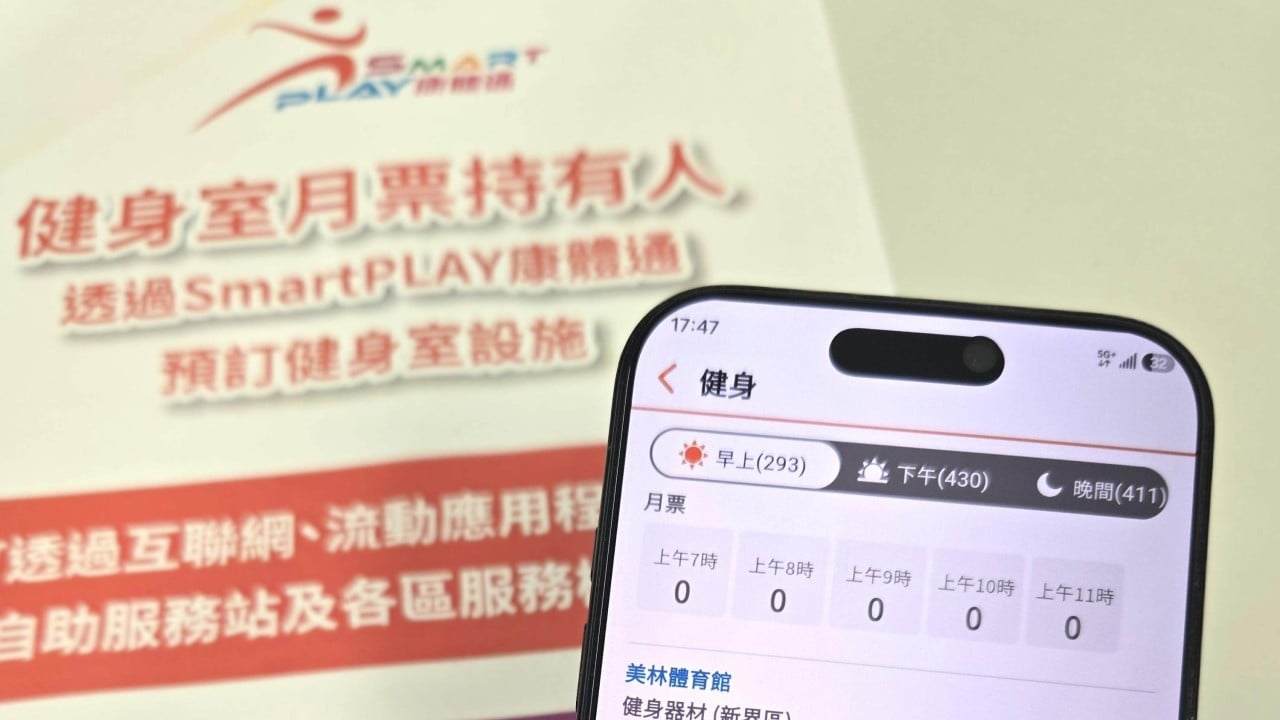
Booking a workout slot at a public fitness facility in Hong Kong shouldn't feel like winning the lottery. Yet, securing a treadmill or weight bench through the Leisure and Cultural Services Department system often feels entirely impossible. You check the app at peak hours, find every single spot booked solid, and show up only to watch half the equipment sit empty. Ghosts occupy those reservations. People snap up free or cheap slots just in case, then fail to show up, leaving nobody else able to use the gear.
The situation has grown genuinely absurd. Public facilities exist to serve the community, but broken booking habits and zero accountability mean taxpayer-funded spaces routinely sit vacant while eager residents get locked out. Local authorities face mounting pressure to fix the broken system. Lawmakers and regular gym-goers alike argue that adding mandatory online safety briefings and slapping strict penalties on no-shows represents the only logical fix left.
Let's look at how public fitness infrastructure actually functions on the ground.
The Booking System Broken Record
Hong Kong residents know the pain of the Leisure and Cultural Services Department booking portal all too well. The moment registration opens for popular peak hours, high-speed bots and quick-fingered scalpers clear out availability in seconds. Casual users stand zero chance against automated scripts.
Even worse, many people who successfully secure a spot treat it casually. Something better comes up, traffic runs heavy, or sleep feels more appealing than a cardio session, so they simply skip the booking. No penalty exists for wasting public resources. The system absorbs the absence quietly. Meanwhile, someone else who desperately wanted a solid workout gets shut out entirely.
Public recreation centers belong to the public. Treating them like disposable calendar placeholders hurts everyone.
Why Safety Briefings Matter More Than Ever
Beyond empty equipment, public gym floors frequently turn into chaotic zones of poor form and risky behavior. Walk into any municipal fitness room during peak hours and you'll spot beginners attempting heavy deadlifts with rounded backs or teenagers carelessly dropping heavy dumbbells near walking paths.
Online safety briefings could solve two massive problems simultaneously. Imagine tying gym booking privileges to a quick, mandatory digital training module. Users would learn basic etiquette, equipment handling rules, and fundamental safety practices before ever stepping foot near a barbell.
Critics might complain about extra bureaucratic hurdles, but a one-time digital check-in filters out casual users who treat public property with zero respect. If you can not be bothered to spend twenty minutes watching an instructional video on how to safely operate gym equipment, you probably should not be handling heavy iron around other people.
The Power of Penalties
Accountability changes behavior fast. Right now, missing a gym slot carries zero consequences. Introduce a strike-based penalty system, however, and watch how quickly habits shift.
Other cities facing similar urban recreation crunches already implement strict suspension rules. Miss three booked sessions without canceling in advance? Your booking account gets frozen for a month. Implement a small financial penalty or temporary ban for chronic no-shows, and the phantom reservations will vanish overnight.
When people face tangible consequences for wasting community resources, they cancel early. That cancellation opens the slot back up for someone on the waitlist. Simple supply and demand mechanics restore order to a chaotic system.
Practical Steps Forward for Fitness Enthusiasts
Until structural policy changes officially drop, navigating the current fitness landscape requires patience and strategy.
- Monitor cancellation windows: Keep an eye on the booking app thirty minutes before peak slots begin, as last-minute cancellations frequently pop up.
- Adjust your schedule: Shift workouts to off-peak morning hours to avoid the automated bot rushes completely.
- Report blatant hoarding: Use official feedback channels to highlight chronic empty slots and ghost bookings at your local center.
Public fitness spaces should empower healthy habits across the city, not cause daily frustration. Fixing the booking crisis requires political will, basic accountability, and rules that prioritize active users over careless ghosts.


