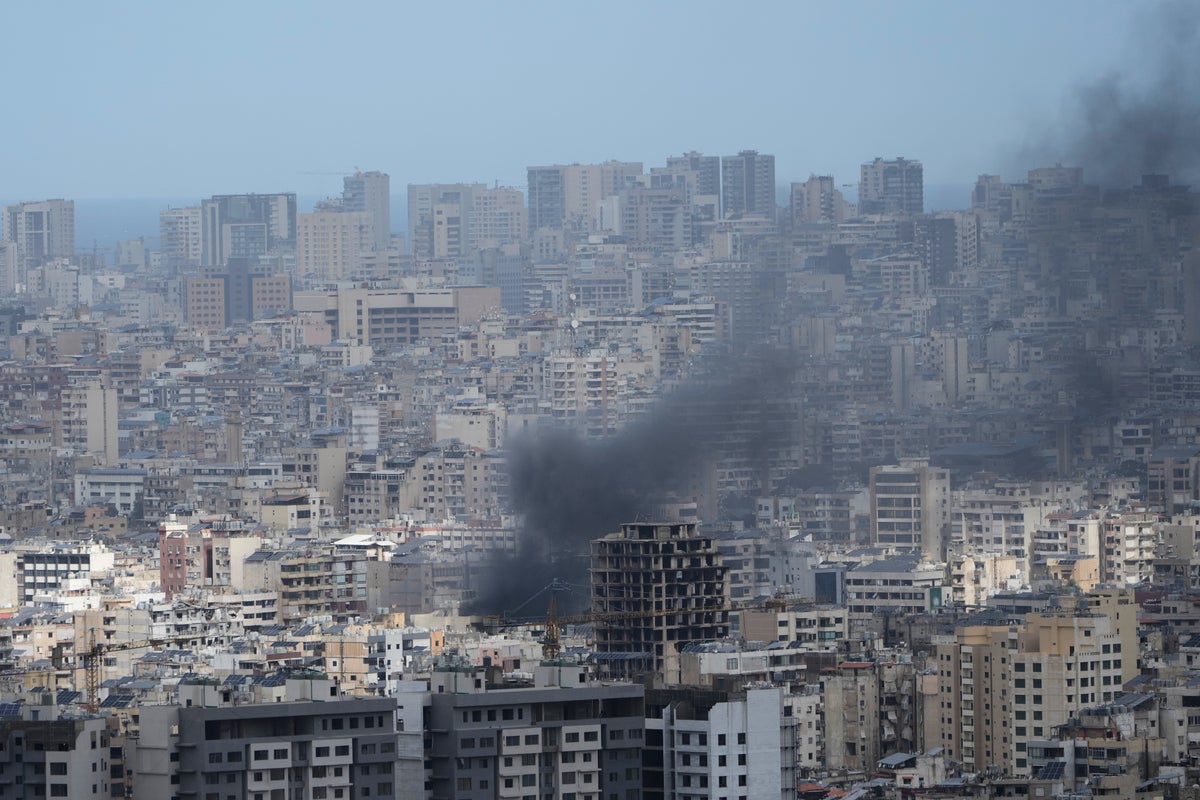
Are you watching your portfolio bleed today? You aren't alone. Hong Kong stocks just took another nosedive, and the rest of Asia is right there in the gutter with them. The catalyst is the mess in the Middle East. With the Iran conflict dragging into its fifth week and Houthi rebels adding fuel to the fire with fresh strikes, oil prices are screaming higher.
Everyone is asking the same question. How bad is this going to get for my money?
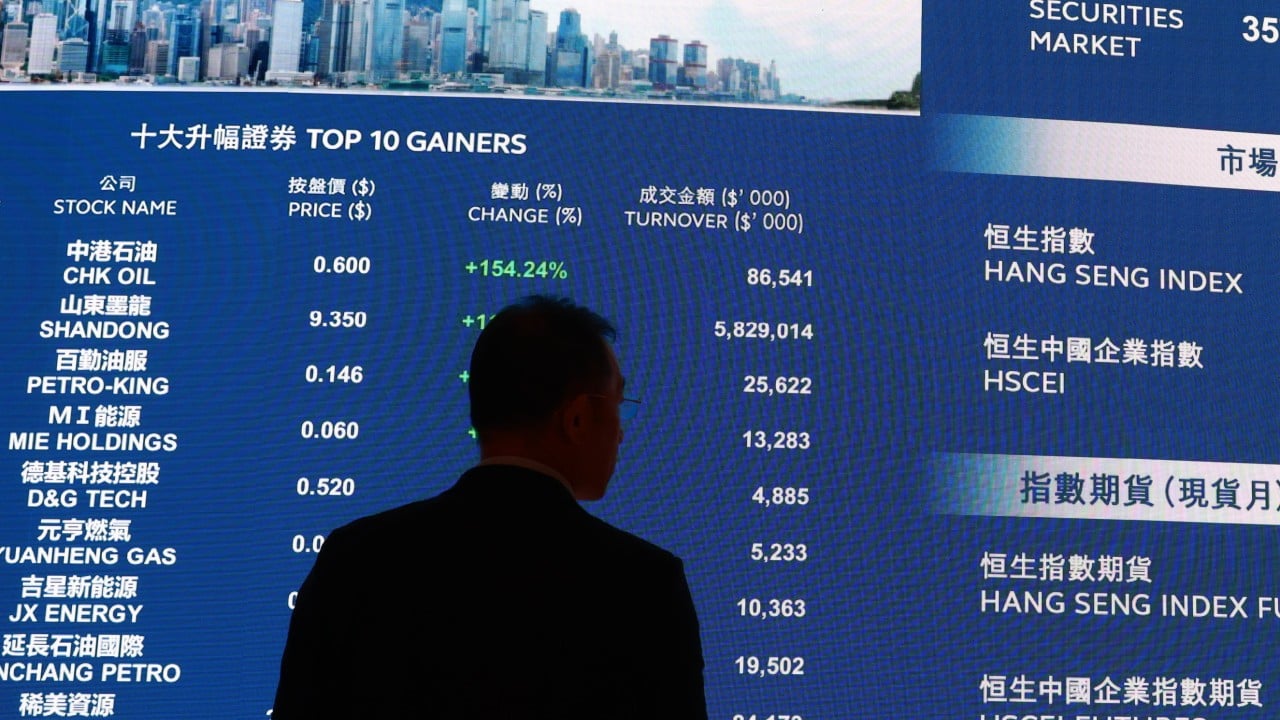
Let's cut through the typical financial media fluff. The Hang Seng Index shed 1.7% to hover around the 24,500 mark. Japan's Nikkei got absolutely hammered, dropping over 4.5%. Why? Because Asia runs on imported oil, and that oil is getting ridiculously expensive. Brent crude is knocking on the door of $116 a barrel. Remember when it was $70 before this war started? Yeah, those were the days.
Here is what is really happening behind the scenes and what most analysts are too scared to tell you directly.
The Strait of Hormuz Stranglehold
Let's be real about the primary driver here. It isn't just that a war is happening. It is where it's happening. The Strait of Hormuz is effectively blocked. About a fifth of the world's oil flows through that tiny stretch of water.
With that supply choked off, Asian economies are bearing the brunt of the pain. Japan and South Korea are bleeding out because they rely almost entirely on this route for their energy.
Then you have the wild card. President Donald Trump is floating the idea of the U.S. military seizing Iran's Kharg Island oil hub. That sounds great in a soundbite, but it has terrified the markets. Investors hate uncertainty. The prospect of a prolonged U.S. ground presence or retaliatory strikes on more energy infrastructure is driving a massive flight to safety.
The Real Reason Hong Kong Is Vulnerable
You might think Hong Kong is far enough away from the physical missiles to be safe. It doesn't work that way. Hong Kong is a hyper-sensitive gateway for global capital, and right now, that capital is running scared.
- The Deadly Inflation Double-Whammy: Skyrocketing energy costs don't just hurt at the pump. They drive up the cost of manufacturing and shipping everything. That spikes inflation.
- The Fed rate cut dream is dead: Coming into 2026, we all hoped central banks would start aggressively cutting interest rates. High oil prices make that almost impossible. If central banks cut rates now, inflation will spiral completely out of control.
- Corporate earnings are getting squeezed: When businesses pay twice as much to keep the lights on and ship their goods, their profit margins shrink. We're already seeing tech heavyweights like Tencent and Meituan trading in the red as a result.
Let's look at the flip side, though. It wasn't a total bloodbath. A few companies making their debut on the Hong Kong board actually soared today. Shandong Extreme Vision Technology went up 150% from its offer price. There is still money to be made, but you have to know where to look.
Stop Panic Selling and Pivot Instead
Most retail investors make the same classic mistake during geopolitical shocks. They watch the sea of red on their screen, panic, and sell everything at the absolute bottom. Don't be that person.
Professional fund managers don't run for the hills when oil spikes. They tilt their portfolios toward assets that actually benefit from the chaos.
If you want to protect your wealth or even profit from this mess, look at energy producers and state-run oil explorers. They are making a killing right now. Look at companies with rock-solid balance sheets that don't need to borrow money at today's high interest rates. Sitting on cash isn't a bad idea either while we wait to see if the April 6 deadline for power plant strikes brings a resolution or another escalation.
Here is your immediate game plan.
Review your portfolio for heavy exposure to high-debt companies or businesses heavily reliant on cheap freight and logistics.
Consider shifting some capital into energy sector ETFs or commodities that act as natural hedges against oil-driven inflation.
Keep your position sizes small. Volatility is going to stay sky-high for the next few weeks, and you don't want to get caught on the wrong side of a sudden headline.