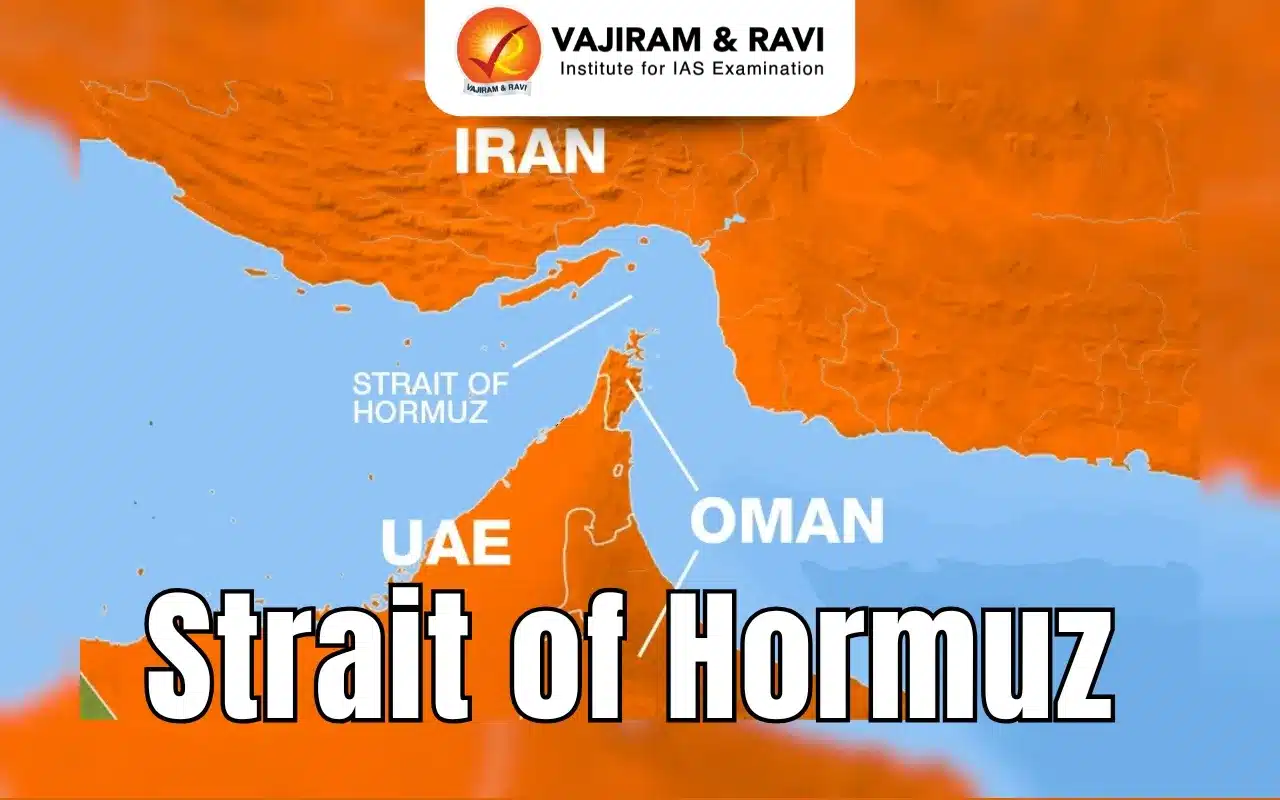
India is currently fighting a quiet, high-stakes war for its economic oxygen. On Wednesday, March 18, 2026, Prime Minister Narendra Modi held a critical telephone conversation with Kuwait’s Crown Prince Sheikh Sabah Al-Khaled Al-Hamad Al-Mubarak Al-Sabah. While official readouts from the Ministry of External Affairs (MEA) spoke of "exchanging views" and "conveying Eid greetings," the subtext is far more urgent. India is attempting to secure a fragile lifeline through the Strait of Hormuz, a maritime chokepoint that has effectively become a frontline in the escalating West Asia conflict.
This isn't just about diplomatic pleasantries. It is about preventing a domestic energy collapse.
The Hormuz Trap
The Strait of Hormuz is the world’s most sensitive artery, and for New Delhi, it is a point of extreme vulnerability. Roughly 88% of India’s crude oil is imported, with a massive chunk of that volume—along with critical Liquefied Petroleum Gas (LPG) and Liquefied Natural Gas (LNG)—originating from or passing through the Persian Gulf.
Recent developments have turned this corridor into a gauntlet. Since the latest round of regional hostilities erupted on February 28, 2026, merchant shipping has faced unprecedented threats. We aren't talking about abstract "concerns" anymore. Real Indian assets are at risk. Just days ago, Indian diplomatic intervention was required to navigate two stranded LPG tankers through the Strait. These aren't isolated incidents; they are symptoms of a systemic squeeze on global energy flows that could, if left unchecked, lead to dry pumps and darkened factories across the Indian subcontinent.
Why Kuwait Matters Now
Kuwait occupies a unique position in India’s strategic calculus. While the UAE and Saudi Arabia often grab the headlines, Kuwait is the quiet workhorse of the energy partnership. It ranks as India’s sixth-largest crude supplier and fifth-largest source of LPG.
In his call with the Crown Prince, Modi did something rarely seen in standard diplomatic boilerplate: he explicitly condemned attacks on Kuwait’s "sovereignty and territorial integrity." This language is a direct nod to the recent missile and drone provocations that have targeted Gulf energy infrastructure. By standing firmly with Kuwait City, New Delhi is signaling to the wider region—and specifically to Tehran—that India considers any disruption to Kuwaiti stability a direct hit on its own national interest.
The math is simple and brutal.
- Energy: Kuwait provides 3.5% of India's total energy needs.
- Remittances: Over one million Indians live in Kuwait, part of a 9-million-strong regional diaspora that sends back approximately $50 billion annually.
- Trade: Annual bilateral trade sits at over $10 billion.
If Kuwait stumbles, the shockwaves hit the Indian middle class directly through fuel prices and the drying up of inward remittances.
The Diaspora Dilemma
Behind the talk of "safe and free navigation" lies a human crisis. The MEA recently confirmed that nearly 260,000 Indian nationals have already been evacuated or have returned from the region since the end of February. In Kuwait alone, the Indian community is the largest expatriate group.
This is a logistical nightmare. Unlike previous evacuations from localized conflict zones like Yemen or Sudan, a full-scale West Asia conflagration would involve millions of people across six different nations. The government is currently walking a tightrope: it must prepare for a mass exodus without triggering a panic that could destabilize the host countries' economies—economies that Indians themselves help run.
The New Strategic Architecture
The shift in India-Kuwait relations didn't happen overnight. It was accelerated by a landmark visit by Modi to Kuwait in late 2024—the first by an Indian PM in over four decades. During that visit, the relationship was elevated to a "Strategic Partnership."
What does that actually mean on the ground? It means defense cooperation.
For the first time, India and Kuwait are moving beyond a buyer-seller relationship in oil. They are now discussing joint exercises, exchange of military personnel, and cooperation in the defense industry. This is India’s long-game: becoming a net security provider in the Gulf to protect its own trade routes.
The Reality of De-escalation
We must be honest about the limits of "sustained diplomatic engagement." While the Prime Minister has been on the phone with leaders from Israel, Jordan, the UAE, and now Kuwait, India’s influence on the primary combatants remains limited. New Delhi’s strategy is not to solve the war, but to insulate itself from the fallout.
The invocation of the Essential Commodities Act and the Natural Gas Supply Regulation Order 2026 back home shows that the government is already preparing for a "Tier 2" scenario—where industrial manufacturing faces 80% allocation cuts to keep household kitchens running.
The diplomacy we see on the surface is a desperate attempt to ensure that those emergency measures remain temporary. Every phone call to a Gulf Crown Prince is a bid to keep the Strait open just one more day, to get one more tanker through, and to ensure that the millions of Indians in the line of fire remain protected by their host governments.
India is no longer a bystander in West Asia. It is a stakeholder with everything to lose. The "testing time" mentioned by the MEA is an understatement. This is a battle for the very fuel that keeps the Indian economy moving, and the diplomacy is getting louder because the silence of a closed Strait would be deafening.