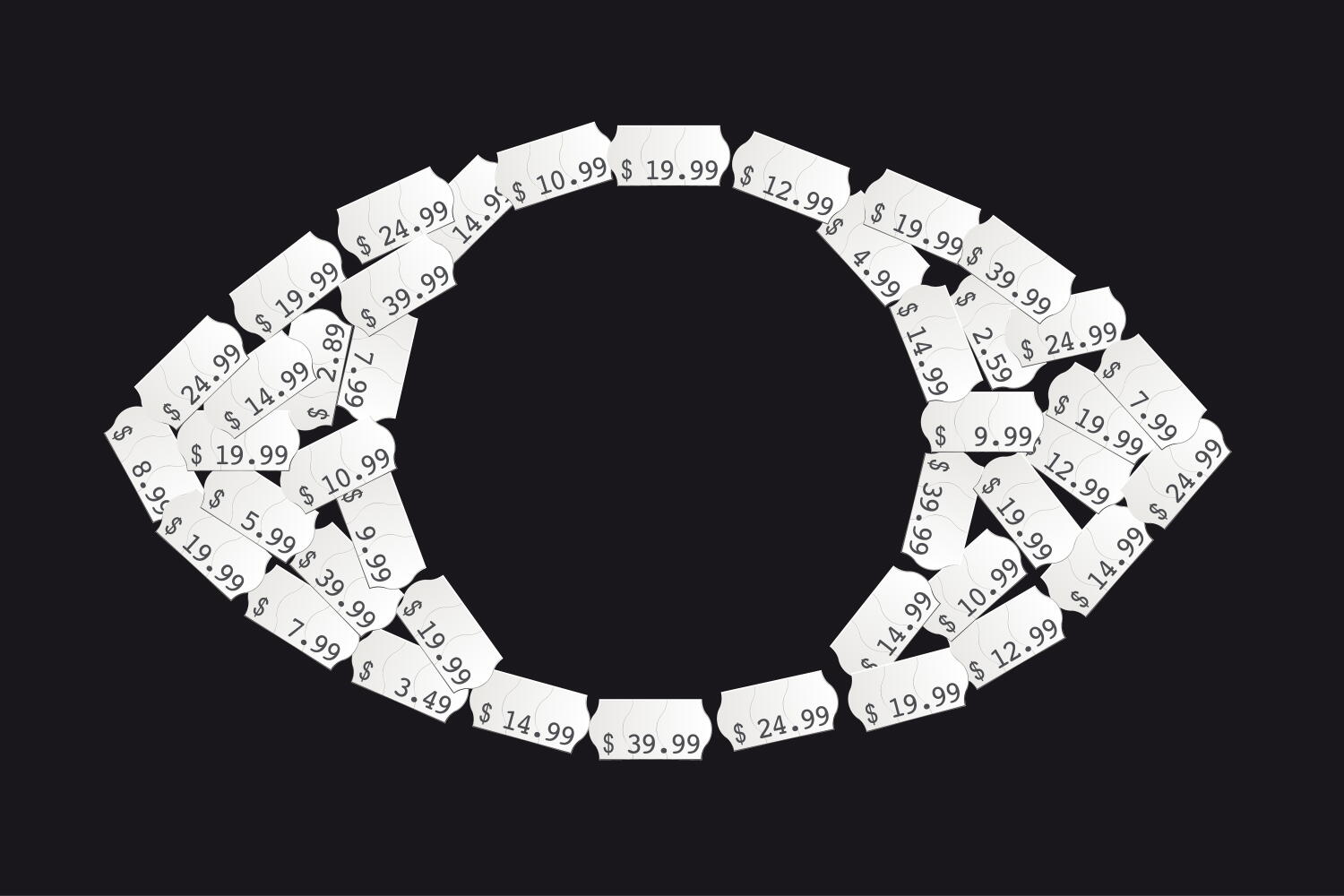
The smartphone industry is currently staring down a brutal memory crunch. Global supply chains are buckling under a massive wave of high-bandwidth memory demand for AI data centers, sending mobile DRAM and NAND prices soaring by nearly ninety percent in a single quarter. Ordinary phone sales are cratering because everyday buyers refuse to pay inflated prices for incremental upgrades.
Yet, two of the heaviest hitters in tech are heading in the exact opposite direction. Huawei and Apple are doubling down on foldable devices, turning high-end hardware into an escape hatch from a crashing market. If you think foldable screens are just an expensive gimmick for early adopters, you are missing the entire economic strategy driving the hardware sector right now.
Surviving the Memory Crunch Through High Margins
When component costs spike, entry-level and mid-range smartphones become financial traps. Margins shrink to almost nothing, and raising prices alienates budget-conscious shoppers who will simply hold onto their old devices for another year.
Luxury hardware solves this math problem. Foldable phones command price tags upwards of two thousand dollars, providing a thick financial cushion against soaring component costs. Apple and Huawei know that buyers shopping in this tier are far less price-sensitive. By pouring resources into complex form factors like wide folds and advanced multi-hinge designs, these companies protect their profit pools even as unit shipments across the broader mobile market decline.
Apple is preparing to enter the category with its heavily anticipated foldable device, often dubbed the iPhone Ultra, featuring a sprawling inner display that bridges the gap between phone and tablet. Meanwhile, Huawei continues to defend its massive lead in the foldable space with iterative hardware leaps like the Mate XT2. They aren't building these devices because they are easy to manufacture. They are building them because standard slab phones no longer generate enough margin to offset modern manufacturing realities.
The Form Factor Escape Hatch
For years, critics claimed foldables were a solution looking for a problem. They were thick, fragile, and astronomically expensive. But standard smartphones hit a wall of diminishing returns long ago. Processors are overpowered, cameras look identical, and annual glass slab updates fail to spark any genuine consumer excitement.
When every normal phone looks and feels the same, buyers stop upgrading. Foldable technology injects physical novelty back into an industry that desperately needs a pulse. By altering the physical geometry of mobile computing, brands give affluent consumers a tangible reason to part with their cash.
The engineering hurdles are massive. Supplying ultra-thin glass, durable multi-axis hinges, and complex cooling systems across a bending chassis requires elite supply chain control. Smaller Android vendors are getting squeezed out of this race because they cannot absorb the R&D costs while memory prices eat their lunch. Only giants with deep pockets and proprietary silicon pipelines can absorb these hits.
What This Means for Your Next Phone Upgrade
If you are waiting for smartphone prices to drop back down to earth, prepare to be disappointed. The components inside your next device cost significantly more to produce than they did a year ago. Manufacturers are actively segmenting their product lines to pass those expenses down or forcing consumers into higher-tier brackets.
Expect the ultra-premium tier to pull further away from the rest of the market. Standard flagships will creep past previous price ceilings, while foldables occupy the absolute apex of mobile tech. If you want a folding screen, expect to pay a heavy premium. If you want a traditional slab phone, look for models that prioritize long-term software support rather than annual hardware swaps, because the days of cheap, high-end mobile tech are officially over.