Meteorologists don't just pick random names out of a hat when a destructive storm forms off the coast. They follow a strict, rotating list managed by the World Meteorological Organization. But sometimes a storm behaves so terribly that its name gets wiped from the rotation forever. You'll never see another Hurricane Katrina or Hurricane Sandy on your weather app.
Naming hurricanes isn't just about giving scientists an easy shorthand for tracking data. It saves lives.
Back when forecasters tracked storms purely by latitude and longitude coordinates, people tuned out the warnings. Confusion reigned when multiple tropical systems churned across the ocean at the same time. Giving storms human names changed everything. People suddenly paid attention. A named storm feels personal, urgent, and real. It forces you to prep your emergency supplies, secure your patio furniture, and take evacuation routes seriously.
The Six Year Alphabetical Rotation
The system looks simple on paper. The World Meteorological Organization maintains six separate lists of names for Atlantic hurricanes. These lists recycle every six years. If a storm forms in 2026, the master list pulls from the exact same names used back in 2020.
Names alternate between male and female, starting with the letter A each June and running through the alphabet. They skip a few tricky letters like Q, U, X, Y, and Z simply because finding common names starting with those letters gets exhausting.
If a season gets wildly out of control and burns through all twenty-one primary names, forecasters used to pull from the Greek alphabet. That experiment caused too much public confusion, so the organization switched to a supplemental list of pre-approved names instead.
When a Name Dies Forever
Retirement is permanent. A hurricane name gets permanently retired when the storm causes so much death and financial devastation that reusing the name would be insensitive to the survivors.
The World Meteorological Organization holds an annual committee meeting to review the previous season. If a storm left a massive scar on a country, delegates from affected nations petition to strike that name from the rotation permanently.
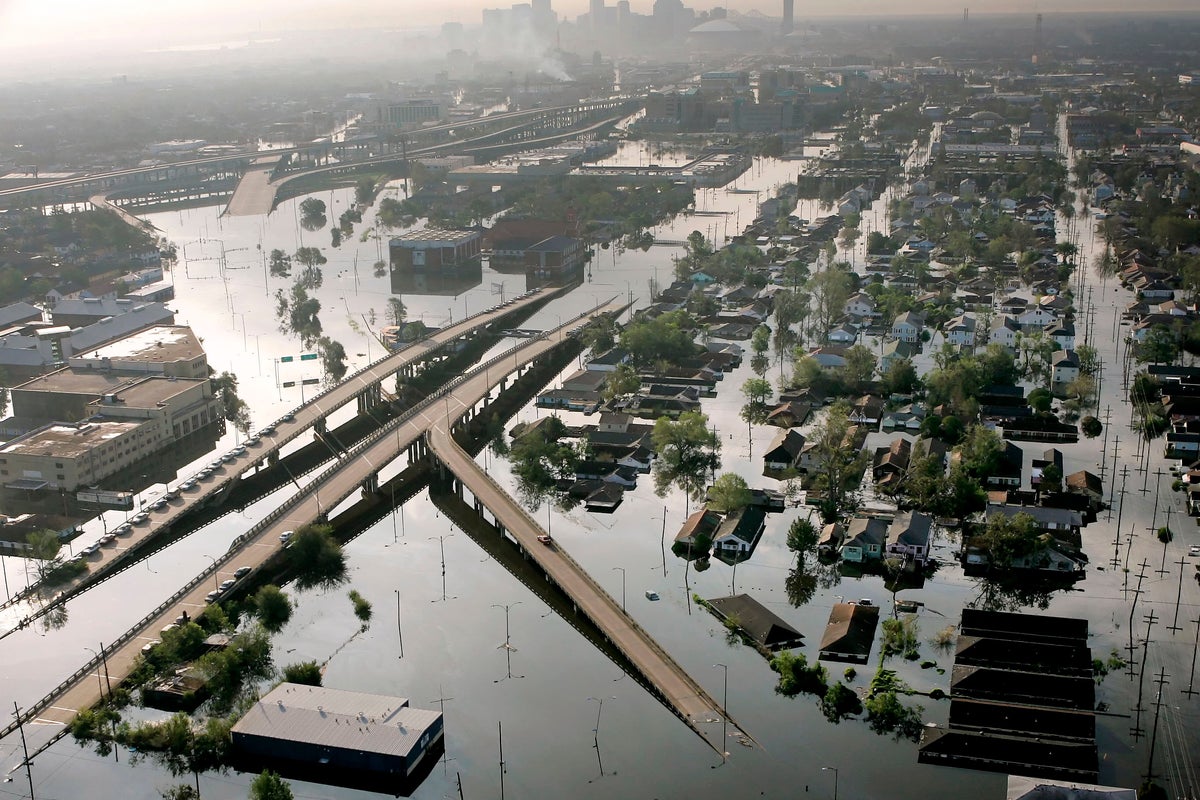
Take Hurricane Katrina in 2005. The sheer scale of the humanitarian crisis and infrastructure failure in New Orleans made keeping that name on the list unthinkable. The committee replaced it with Katia. Hurricane Maria suffered the same fate in 2017, replaced by Margot. Hurricane Dorian got booted in 2019, making way for Dexter.
Over ninety names have met this fate since 1954. Every single one represents a tragedy.
The Strange Rules Behind the Lists
You can't just submit your own name to the World Meteorological Organization and hope for the best. The criteria are surprisingly strict. Names must be short, easy to remember, and culturally sensitive. They alternate between French, Spanish, and English origins in the Atlantic basin to reflect the diverse populations living in hurricane zones.
If a storm causes billions of dollars in damage or claims hundreds of lives, its retirement is practically guaranteed. The committee doesn't wait for formal votes in those extreme cases. The psychological weight of the storm seals its fate.
This careful curation keeps the warning system effective. When a severe weather alert flashes across your screen, the name carries historical context. You instinctively know what kind of threat approaches.
Keep an eye on the tropical Atlantic forecasts this season. If a major storm hits land hard, expect to watch another name disappear from the rotation for good. Stock up on non-perishables, check your insurance policy, and take every warning seriously long before the winds pick up.