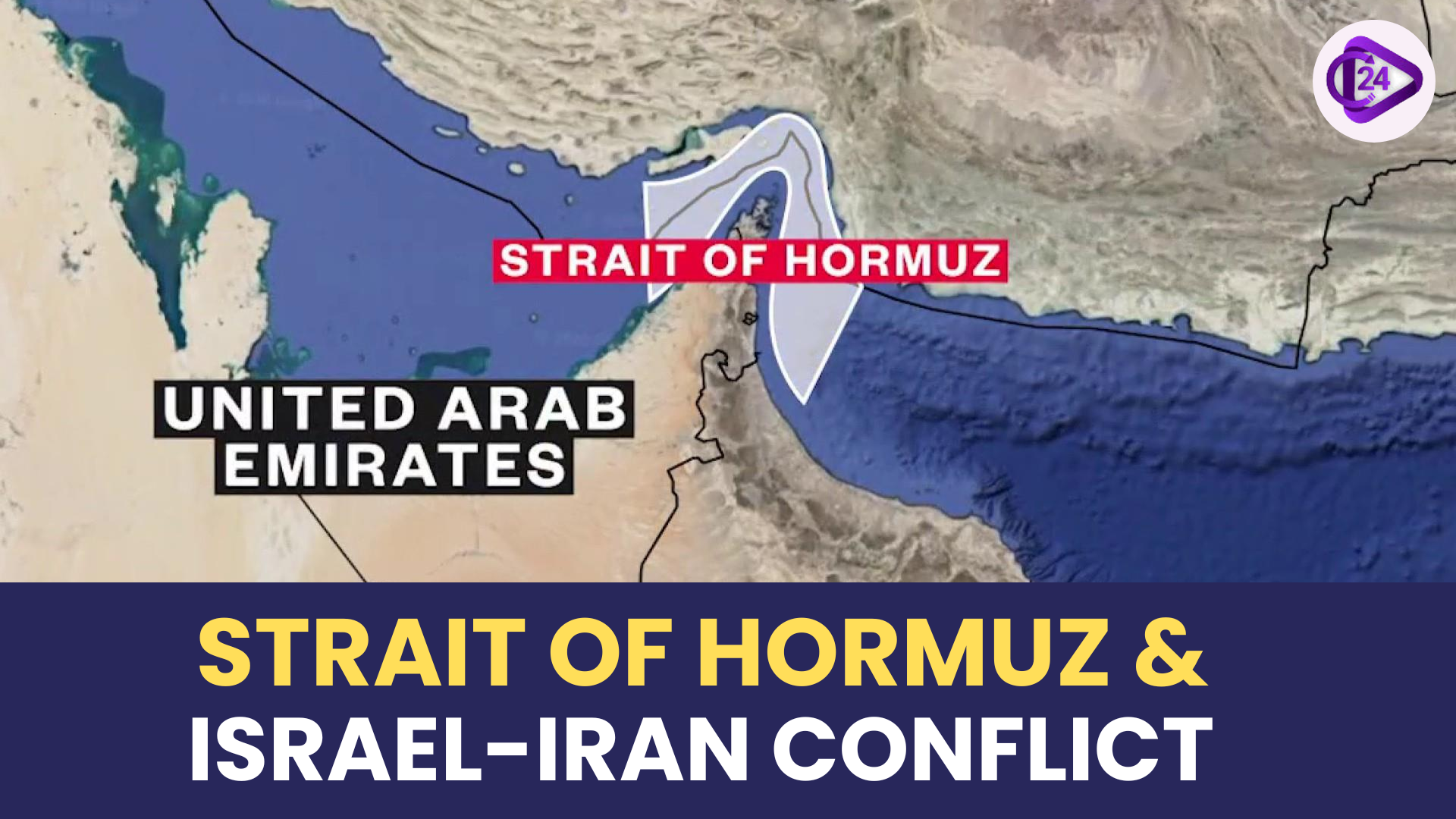
The recent ceasefire between the United States and Iran has sent a wave of relief through New Delhi, but don't let the diplomatic pleasantries fool you. While the Ministry of External Affairs (MEA) was quick to welcome the two-week pause in hostilities, their eyes aren't just on the peace talks in Islamabad. They're glued to the Strait of Hormuz.
India's message is blunt: commerce through that narrow strip of water must remain unimpeded. It's not a polite request; it's an economic necessity. About 50% of India's crude oil and the vast majority of its liquefied natural gas (LNG) flow through that chokepoint. When Iran threatens to shut the gates, the Indian economy starts to feel the heat instantly.
The Chokepoint That Holds India's Energy Key
You might wonder why a conflict thousands of miles away matters so much to your local petrol pump price. The Strait of Hormuz is barely 21 miles wide at its narrowest, yet it handles roughly one-fifth of the world's daily oil consumption. For India, which imports nearly 85% of its crude, this isn't just a maritime route—it's an umbilical cord.
When the "double-sided ceasefire" was announced, the most critical detail for India wasn't the political posturing. It was the agreement to reopen the strait. The MEA's statement highlighted that the conflict had already "caused immense suffering" and messed with global energy supply networks. Honestly, that's an understatement. Every time a tanker is delayed or insurance premiums spike because of regional instability, the Indian taxpayer pays the bill through inflation and a widening current account deficit.
Why India Is Playing Both Sides
New Delhi is in a tough spot, and it shows in their carefully worded statements. Notice how the MEA didn't mention Pakistan's role in brokering the deal? While the U.S. and Iran were busy thanking Islamabad, India stayed silent on the mediator. This isn't an oversight. It's a calculated move to maintain strategic autonomy.
India needs to keep the U.S. happy as a major defense partner, but it also can't afford to burn bridges with Tehran. We have massive investments in the Chabahar port, which is our gateway to Central Asia, bypassing Pakistan entirely. If the U.S.-Iran tension boils over again after this 14-day "pause," those investments are at risk.
Despite the ceasefire, the Indian Embassy in Tehran hasn't relaxed. On April 8, they issued a fresh advisory telling Indian nationals to "expeditiously exit" Iran. This tells you everything you need to know: the government doesn't trust this peace to last. They're hoping for the best but preparing for a scenario where the strait closes again.
The Real Cost of a Blockade
Think about the math for a second. Every $10 increase in the price of a barrel of oil adds about $15 billion to India's annual import bill. During the recent peak of this crisis, prices weren't just creeping up—they were ready to explode.
- Inflation: Higher fuel costs lead to higher transport costs for food and essentials.
- Currency Pressure: As the import bill swells, the rupee comes under immense pressure against the dollar.
- Supply Chains: It's not just oil. The flow of general commerce, including Indian exports to the Gulf, gets choked off.
Moving Beyond the Hormuz Trap
What's the play here? India can't just sit around and wait for the next "deadline" on Truth Social or another 10-point proposal from Tehran. The strategy is shifting toward three specific areas.
First, there's a desperate push for geographic diversification. We're seeing more oil coming from Russia, Brazil, and even Guyana. These routes don't pass through Hormuz, which provides a much-needed hedge. If the Gulf goes dark, these "Atlantic and Pacific" barrels keep the lights on.
Second, the expansion of Strategic Petroleum Reserves (SPR) is no longer a "maybe." It's a "must." India needs a bigger buffer to survive short-term shocks without the economy going into a tailspin.
Lastly, there's the long game of domestic substitution. Biofuels and green hydrogen aren't just environmental goals anymore; they're national security imperatives. Every liter of ethanol mixed into petrol is a drop of oil we don't have to navigate through a war zone.
If you're tracking this, don't just look at the headlines about "peace." Look at the tanker tracking data. Until those ships are moving through the strait without Iranian "military management" or Oman-imposed fees, the risk remains high. The next two weeks are basically a stress test for global diplomacy.
Stay informed on the Brent crude prices and the status of the Islamabad talks starting this Friday. If the negotiations stumble, expect the Indian government to ramp up its evacuation efforts and tighten its energy conservation measures immediately. Keep your eyes on the water.
Next Steps for Readers
- Monitor Energy Stocks: Keep an eye on Indian OMCs (Oil Marketing Companies) as they react to the reopening of the strait.
- Check Travel Advisories: If you have business interests or family in the region, follow the MEA’s "expeditious exit" guidance—the ceasefire is fragile.
- Diversify Personal Risks: If you're a business owner relying on imports, now's the time to look at alternative supply chain routes that bypass the Persian Gulf.


