
The narrative being pushed by diplomats and comfortable analysts is dangerously seductive. It goes like this: Russia has a surplus of oil, India has a bottomless thirst for energy, and the two are locked in a permanent, mutually beneficial embrace that defies Western sanctions. It sounds like a geopolitical masterstroke.
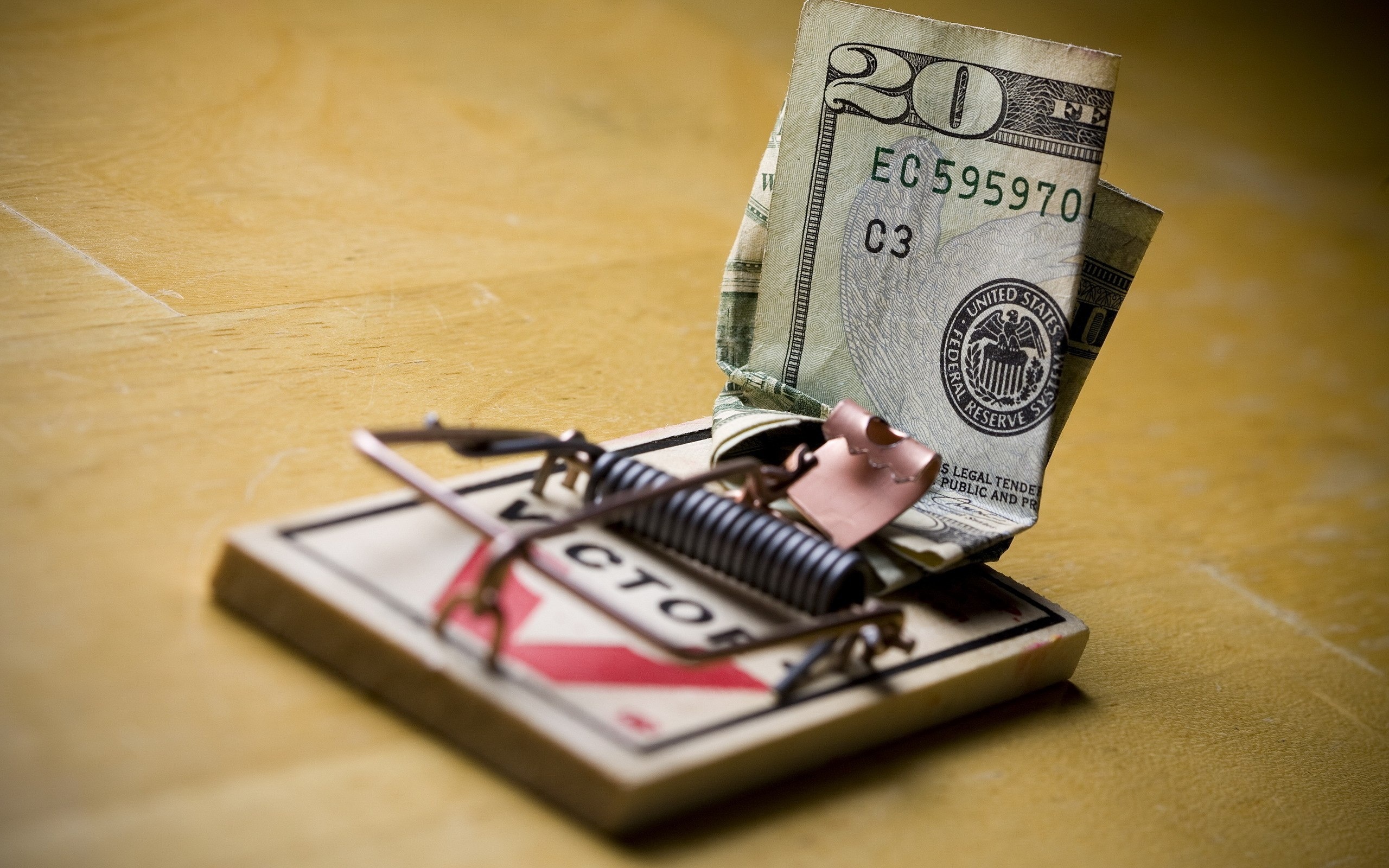
It is actually a ticking time bomb for the Indian refining sector.
Diplomatic posturing about being "always open" to supply is not a strategy; it is a sales pitch from a cornered seller. If you believe the current flow of Urals and ESPO to Indian ports is the new normal, you are ignoring the brutal mechanics of global energy arbitrage and the inevitable math of infrastructure decay.
The Mirage of the Perpetual Discount
The most common misconception in the market right now is that the "Russia-India Oil Deal" is a fixed agreement. It isn't. It is a series of opportunistic, spot-market scrambles. I have watched traders navigate these waters for two decades, and the pattern is always the same: discounts exist only as long as the seller has no other choice.
When the G7 price cap was first implemented, the Brent-Urals spread blew out to over $30 per barrel. That was the "blood in the water" phase. India pounced, and rightly so. But that spread has since shrunk significantly. As Russia matures its "shadow fleet" and finds more efficient ways to bypass logistics hurdles, the discount narrows.
The moment Russia finds a way to get a single extra dollar from a buyer in East Asia or through a laundered Greek transshipment, they will take it. Loyalty in the oil patch is a myth. India is not a "preferred partner"; it is a massive vent for a trapped volume of crude.
The Logistics of Desperation
Shipping crude from the Baltic or Black Sea to India is an operational nightmare compared to the short hop from the Persian Gulf. You are looking at 25 to 35 days of transit versus four to seven days from Iraq or Saudi Arabia.
This creates a massive "floating storage" cost that most analysts leave out of their spreadsheets. To make Russian crude viable, the discount doesn't just need to cover the price of the oil; it has to offset:
- Higher insurance premiums for "non-standard" hulls.
- The massive carbon footprint of long-haul shipping (which will eventually hit Indian exports via the EU’s Carbon Border Adjustment Mechanism).
- The currency risk of trading in Dirhams, Yuan, or Rupees—none of which offer the liquidity of the Greenback.
If the discount on Urals drops below $5 or $6 against Brent, the math for an Indian refiner begins to sour. We are approaching that threshold faster than the headlines suggest.
The Refinery Technical Debt
Not all crude is created equal. Most Indian refineries—especially the older state-owned ones—were configured for Middle Eastern sour grades or domestic production.
While Reliance and Rosneft-backed Nayara have the complexity to handle almost anything, the broader Indian refining complex is currently "stretching" its capabilities to process high volumes of Russian grades. I’ve spoken with refinery managers who are quietly concerned about the long-term impact on metallurgy and catalyst life.
By gorging on Russian oil today, India is deferring maintenance and skipping the necessary diversification of its refinery configurations. We are building a systemic dependency on a single, politically volatile source that could be cut off by a single naval blockade or a regime shift in Moscow.
The Sanctions Trap Nobody Wants to Talk About
The "lazy consensus" says that India has successfully navigated the sanctions regime. That is true—for now. But sanctions are not a static wall; they are a tightening noose.
The U.S. Treasury’s OFAC has already begun targeting specific tankers in the shadow fleet. When a ship is sanctioned, it doesn't just disappear; it becomes a pariah that no reputable port will touch. India’s state-owned refiners are risk-averse by nature. They cannot afford to have a multi-million dollar cargo stuck in legal limbo off the coast of Gujarat.
As the West increases pressure on "facilitators" of the Russian oil trade, the middleman fees—the "dark spread"—will go up. Those costs aren't paid by the Kremlin. They are deducted from the discount offered to India.
The Wrong Question: "Can We Get More?"
The media keeps asking if Russia can supply more. The real question is: "What happens to the Indian economy when this supply chain breaks?"
If tomorrow the Suez Canal becomes impassable or if a major secondary sanctions package hits Indian banks, the country will have to pivot back to the Middle East overnight. But the Middle East doesn't forget. Saudi Aramco and ADNOC value long-term contracts. By chasing the short-term high of discounted Russian barrels, India is eroding its status as a "reliable" long-term buyer for the Gulf.
Your Actionable Pivot
If you are managing an energy portfolio or advising on Indian infrastructure, stop betting on the "Russian Discount" as a permanent fixture.
- Prioritize Flexibility over Volume: The winners will be the refiners who can switch back to Arab Light in under 48 hours without a loss in yield.
- Account for the "Shadow Cost": When calculating the cost of Russian crude, add a 15% "geopolitical tax" to the price to account for potential sanctions disruptions and increased maintenance.
- Watch the Spread, Not the Envoy: Ignore what diplomats say in New Delhi or Moscow. Watch the price of Urals in the Primorsk port versus Brent. If that gap closes to $4, the Russian oil "miracle" is dead.
Relying on a country at war for your primary energy security isn't "strategic autonomy." It is a high-stakes gamble with 1.4 billion lives on the line.
The era of cheap Russian oil is not a new beginning. It is a terminal spike. Get out before the crash.
Stop treating a firesale like a partnership.


.jpeg)