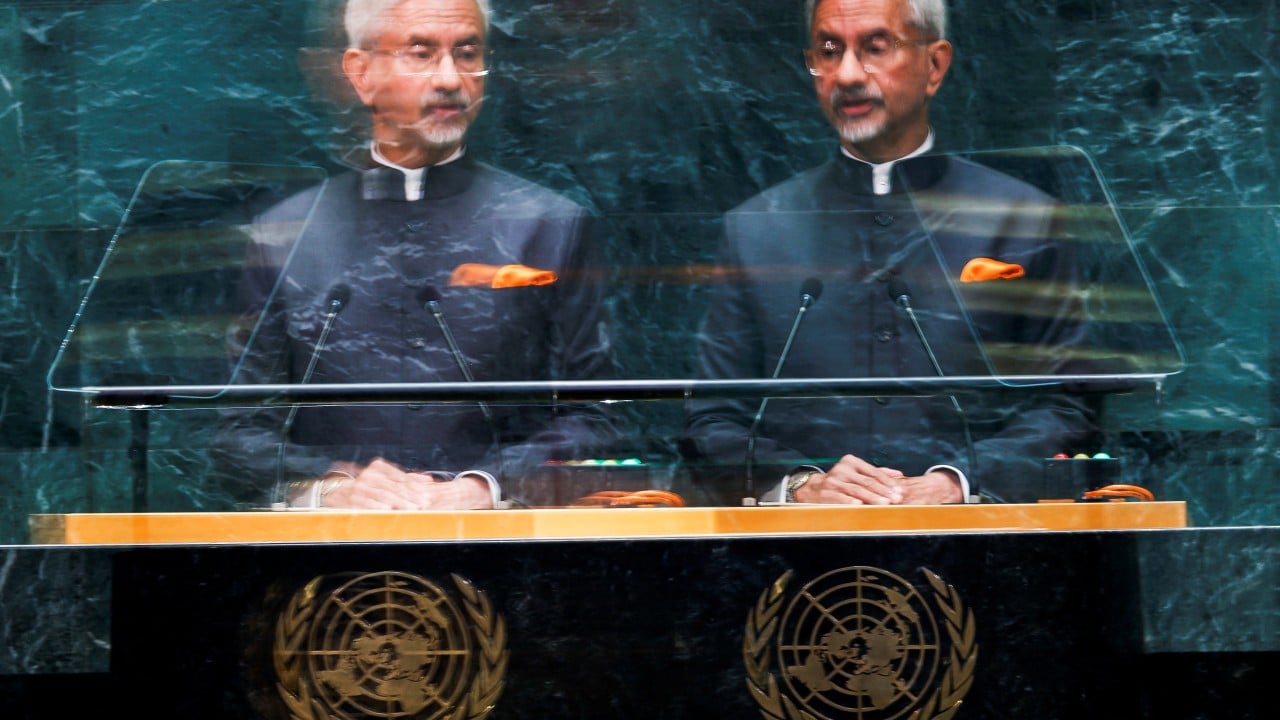
For years, New Delhi maintained a careful, calculated distance from the geopolitical crossfire in Eastern Europe. That old playbook is shifting. External Affairs Minister S. Jaishankar's recent diplomatic visits signaled a clear adjustment. India now wants to be a bit more involved in finding a diplomatic off-ramp for the Russia-Ukraine conflict.
You might wonder why a country traditionally protective of its strategic autonomy would lean into one of the most polarizing disputes of our time. The answer comes down to economics, security, and a growing frustration with how prolonged hostilities strain the Global South.
Moving Beyond Neutrality
Western capitals spent the early months of the war pressuring New Delhi to pick a side. India refused. Instead, Prime Minister Narendra Modi's administration kept trade channels open with Moscow while maintaining diplomatic lines with Kyiv.
That stance wasn't about avoiding responsibility. It was about national interest. India relies heavily on affordable energy and fertilizers. Disruptions in global shipping lanes hit developing economies hard. When food and fuel prices spike globally, Indian households feel the pinch.
By stepping up its diplomatic posture, New Delhi isn't trying to act as a Western proxy. It is protecting its own backyard. Jaishankar made it clear during talks in Kyiv that solutions won't emerge from the battlefield. Dialogue and diplomacy remain the only viable exits.
What India Brings to the Table
Can a non-Western democracy actually move the needle when the US, EU, and Russia remain deeply entrenched?
Actually, yes. India holds a rare position of credibility with both sides. Moscow values New Delhi's historic defense and economic ties, refusing to view India through an adversarial lens. Meanwhile, Kyiv recognizes that India's voice carries weight across the Global South.
When PM Modi tells Russian leadership that this is not an era of war, or when Indian diplomats push for the protection of commercial shipping, they speak with a distinct kind of leverage.
Key Pressure Points Driving New Delhi
- Supply Chain Security: Attacks on commercial vessels in the Black Sea and surrounding waterways threaten global trade routes. Indian seafarers working on international cargo ships have faced direct risks.
- Agricultural Inputs: Fertilizer shortages directly threaten agricultural output back home. Securing predictable supply lines is an urgent priority.
- Humanitarian Assistance: India has consistently delivered medical aid and generators directly to Ukraine, cementing a reputation as a constructive helper rather than a passive bystander.
The Road Ahead for Global Diplomacy
Expect New Delhi to keep pushing behind closed doors. Grand peace summits that exclude major non-Western players often stall. If a credible framework for negotiations ever materializes, nations with independent leverage like India will likely serve as the essential bridge.
The strategy is pragmatic. If you want peace, you have to talk to everyone. India is uniquely positioned to do just that.
Putin Thanks PM Modi For Efforts To End Ukraine War
This video highlights Russian acknowledgment of Prime Minister Modi's ongoing diplomatic efforts to encourage peaceful dialogue to end the conflict.