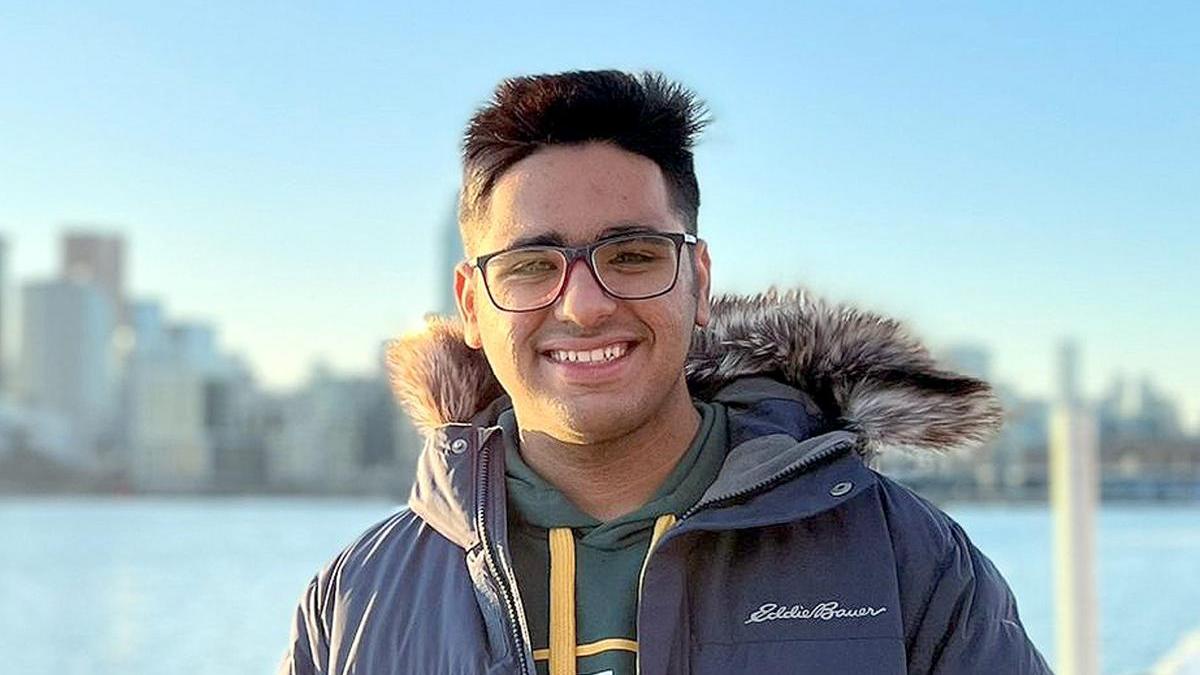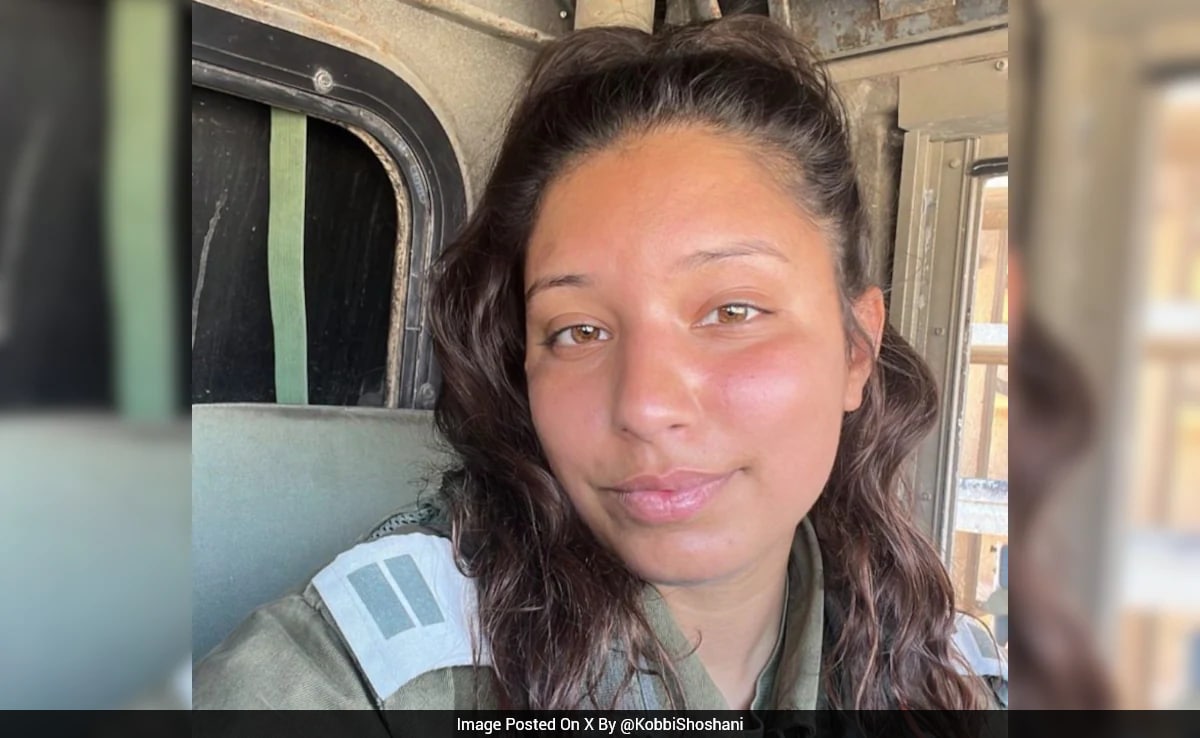
When the sirens pierced the morning air on October 7, the immediate narrative focused on the clash between Israel and Hamas. Yet, hidden within the casualty lists of the ensuing chaos was a name that connected the Gaza border to the rolling hills of Northeast India. Staff Sergeant Gilad Nehemya Kayam, a member of the elite Agilla commando unit, fell in battle that day. To the world, he was an Israeli soldier. To a specific, resilient community in India, he was a son of the Bnei Menashe.
The death of Kayam pulled back the curtain on a geopolitical and spiritual bridge that few outside of intelligence and theological circles understand. There are thousands of Indian citizens, primarily from Manipur and Mizoram, who claim descent from one of the "lost tribes" of Israel. They aren't just immigrants; they are a demographic that has become increasingly integral to Israel’s frontline defense strategy.
The Menashe Connection
The Bnei Menashe believe they are descendants of the tribe of Manasseh, driven into exile by the Assyrian Empire thousands of years ago. Their journey took them through Central Asia and eventually into the thick jungles of the Indo-Myanmar border. For centuries, they practiced traditions that mirrored ancient Hebraic law, until Christian missionaries arrived in the 19th century.
In the 1970s, a movement began to reclaim their Jewish identity. This wasn't a casual hobby. It was a rigorous, often legally fraught transition that eventually caught the attention of the Israeli rabbinate. By 2005, the Sephardic Chief Rabbi of Israel recognized them as a lost tribe, opening the doors for Aliyah—the migration to the Jewish homeland.
The Combat Pipeline
What the headlines often skip is the specific role these Indian-origin soldiers play once they arrive. They don't just work in tech hubs or agriculture. A disproportionately high number of Bnei Menashe men volunteer for combat units.
- Motivation: Having lived as a minority in a volatile region of India, many Bnei Menashe arrive with a heightened sense of communal defense.
- Placement: They are frequently found in infantry brigades like Golani and Givati, as well as specialized commando units.
- Assimilation: The IDF serves as the ultimate "melting pot," where Indian-Israelis prove their loyalty through the most grueling physical trials available.
Kayam’s sacrifice was not an anomaly. It was the latest data point in a decades-long integration process that sees young men from Mizoram trading their village life for the high-stakes urban warfare of the Middle East.
Beyond the Battlefield
The story isn't purely about military service. It’s about a cultural collision that is reshaping small corners of both India and Israel. In places like Kiryat Arba and Sderot, you can find kitchens where curry spices are sold alongside pita bread. This isn't a forced multiculturalism; it’s a survival-driven fusion.
However, the path hasn't been smooth. The Bnei Menashe face a unique set of hurdles that Western Jewish immigrants do not. They often arrive with limited financial resources and face a language barrier that can take years to bridge. While the state welcomes their bodies for the defense of the borders, the social integration of Indian Jews remains a work in progress.
The Political Friction
Back in India, the migration of the Bnei Menashe is a sensitive topic. The states of Manipur and Mizoram have faced decades of ethnic tension and insurgency. When a large group identifies as "lost Israelites" and leaves for the Middle East, it shifts the local demographic and political weight.
Some Indian nationalist groups view the migration with skepticism, questioning why Indian citizens would prioritize a foreign religious identity over their national one. Conversely, the Indian government has maintained a sophisticated, hands-off approach, recognizing the strength of the India-Israel strategic partnership. Defense deals, agricultural technology, and intelligence sharing are the bedrock of the New Delhi-Tel Aviv axis, and the Bnei Menashe are the human fiber in that connection.
The Cost of the Front Line
When we look at the logistics of the October 7 defense, we see a military that relies heavily on its periphery. The "periphery" in Israel isn't just geographical; it's social. The soldiers stationed in the most dangerous kibbutzim and border outposts are often those from newer immigrant communities or lower socioeconomic backgrounds.
The Bnei Menashe, by virtue of their deep-seated desire to "prove" their belonging, often seek out these high-risk assignments. They are the first to volunteer and, tragically, often the first to fall.
"We are not here to be guests. We are here to be home."
This sentiment, echoed by many in the community, explains why a young man whose grandparents never left the foothills of the Himalayas would die defending a fence in the Negev desert. It is a level of commitment that the Israeli state has come to rely on, even as the bureaucratic machinery sometimes struggles to provide these families with the support they need once the funeral flags are folded.
A Geopolitical Pivot
The "Indian connection" isn't a feel-good human interest story. It is a hard-nosed reality of modern warfare and migration. Israel needs boots on the ground. The Bnei Menashe need a homeland that validates their ancient identity. It is a transaction of blood and belonging.
As the conflict in Gaza continues, more names from this community will likely appear in the casualty reports. Each one reinforces a bridge that spans thousands of miles and several millennia. The Bnei Menashe are no longer a "lost" tribe; they are a found frontline, deeply embedded in the survival of a state that is perpetually under siege.
The transition from the quiet life of an Indian hill station to the high-tech, high-octane environment of the IDF is a jarring one. It requires a total restructuring of identity. For Gilad Kayam and others like him, that identity was forged in fire. This isn't just about a soldier who died; it's about the shifting definition of what it means to be Israeli in the 21st century.
The reality of the Bnei Menashe is a reminder that borders are fluid, but blood is not. The community continues to lobby the Israeli government to accelerate the Aliyah of the remaining 6,000 members still in India. They argue that in times of war, their presence is more vital than ever. The Israeli government, currently stretched thin by multiple fronts and a bruising domestic political climate, faces a choice: continue to treat this migration as a slow-motion trickle or embrace it as a strategic necessity.
The integration of the Bnei Menashe provides a blueprint for how a nation can utilize its diaspora to bolster its national security. It is a cold, calculated reality of a country that has been at war since its inception. The Indian recruits bring a stoicism and a work ethic that is highly prized by IDF commanders. They don't complain about the heat or the rations; they have seen worse.
The next time a name from the Galilee or the Negev appears in the news, look closer at the origin. You might find a story that started in a bamboo hut in Manipur and ended in a concrete bunker in Gaza. This is the new face of the Israeli defense—diverse, determined, and increasingly Indian.