When the passenger ferry Virgo Transport 8 overturned in the brutal swells of the Java Sea, it didn't just trigger an urgent hunt for 129 missing souls. It exposed an agonizingly familiar maritime safety crisis.
Indonesian rescue authorities faced towering 2.5-meter waves while scouring the choppy waters near South Kalimantan. While emergency crews pulled over a hundred survivors from the wreckage, the sheer scale of the tragedy forces a hard look at an archipelago that relies heavily on water transport yet struggles chronically to keep passengers safe.
The Anatomy of a Java Sea Disaster
The facts of the incident are grim. The Virgo Transport 8 was carrying hundreds of people from Surabaya in East Java toward Banjarmasin in South Kalimantan when severe weather struck. Rather than sinking immediately, the vessel capsized and remained partially afloat, creating a nightmarish scenario for those trapped inside or struggling in the punishing currents.
Survivors recall clinging to debris and reciting prayers as mountainous waves battered them. Rescue teams from BASARNAS deployed helicopters and large vessels, but the weather made every single approach a high-stakes gamble. Local rescue chiefs noted that even 40-meter-long rescue boats faced extreme risks in the tempest.
Why Indonesia Struggles With Maritime Safety
Indonesia spans over 17,000 islands. For millions of citizens, ferries are the economic lifeblood of domestic travel—far cheaper than flying and vital for connecting isolated communities.
Yet, routine accidents plague the system. Weak enforcement of safety regulations, inconsistent manifest checks, and sudden tropical squalls create a lethal mix. Too often, vessels push off into dangerous weather conditions because oversight mechanisms fail before the anchor ever rises. Passenger manifests are notoriously messy, leaving rescuers guessing exactly how many people were onboard when disaster strikes.
The Human Toll Behind the Numbers
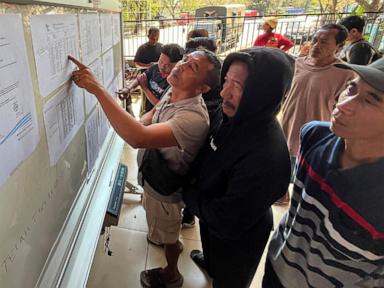
Behind every statistic is a family waiting at a port command center in Banjarmasin, desperate for news of siblings, parents, or children. Relatives checking lists or staring out at gray horizons highlight the emotional fallout of lax accountability.
Search efforts have been repeatedly extended, but time is a brutal enemy in open-water rescue operations. As authorities investigate the operational choices that sent the ferry into a known weather trap, the pressure mounts on regulators to stop treating these events as inevitable tragedies.
Fixing Indonesia's ferry crisis requires strict, uncompromised enforcement of capacity limits, absolute bans on sailing during extreme weather warnings, and transparent digital passenger tracking. Until safety protocols are treated with the same urgency as the rescue missions themselves, the waters of the archipelago will remain entirely too hazardous for the millions who rely on them every single day.