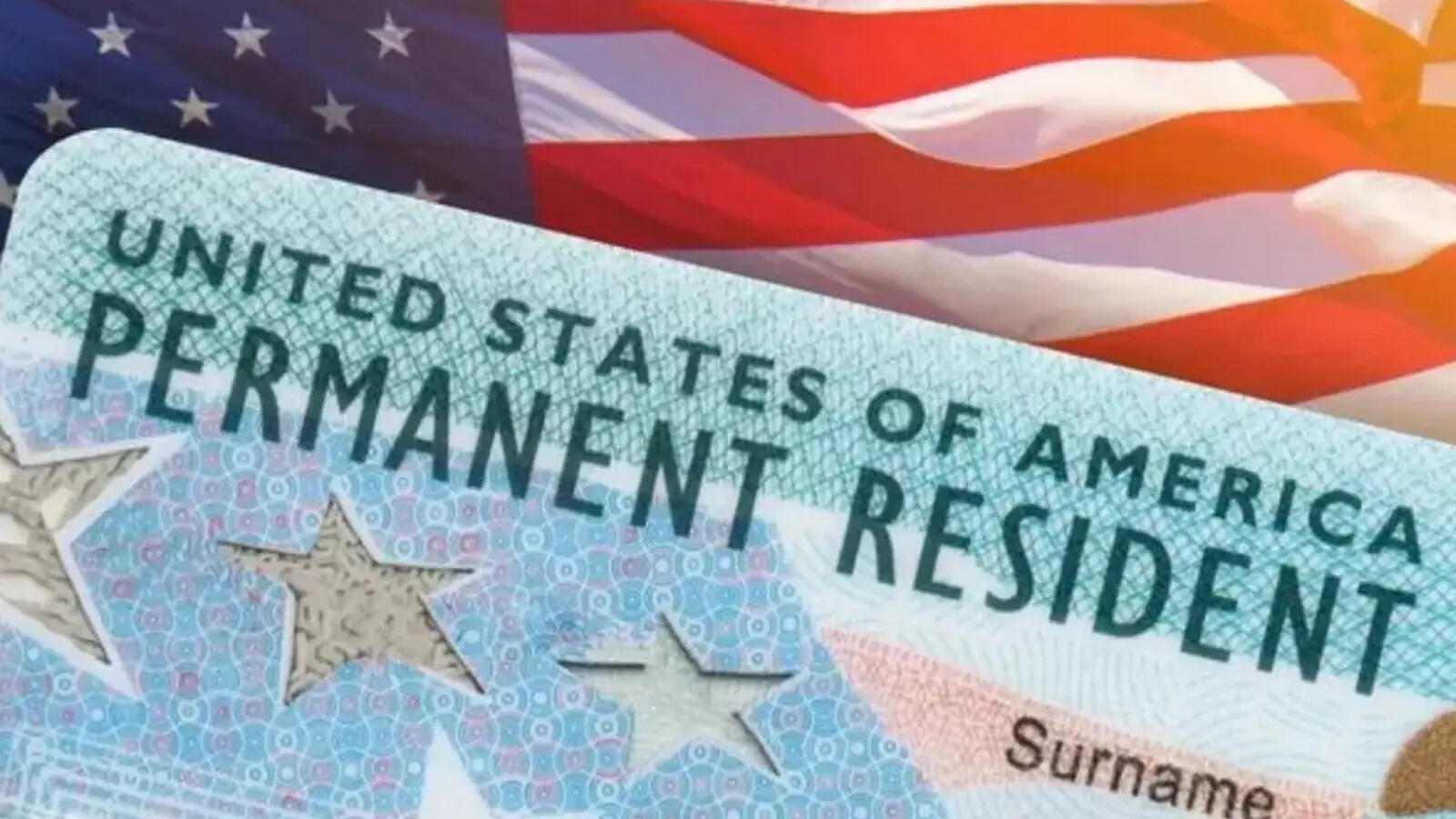
The American dream for an Indian engineer is currently measured in centuries. If you are a high-skilled professional from India applying for a green card today, the math of the current immigration system suggests you will be dead long before you ever see the plastic card. This is not hyperbole. It is a mathematical certainty dictated by a 1965 law that never anticipated the modern tech economy.
As of April 2026, the backlog for employment-based green cards has reached a staggering 1.8 million cases. Of those, approximately 1.1 million are Indian nationals. Under the current "per-country cap," which limits any single nation to just 7% of the available employment visas annually, the wait time for a new applicant in the EB-2 or EB-3 categories has effectively ballooned to 134 years.
The system is no longer functioning as a filter for talent; it has become a holding cell for a generation of workers who are legally "present" but permanently unsettled.
The Birthplace Penalty
The most baffling aspect of the U.S. immigration system is that it prioritizes where you were born over what you can do. A software architect born in Iceland can secure a green card in months. A software architect with the exact same credentials born in Mumbai will wait decades.
This occurs because the Immigration and Nationality Act imposes a rigid ceiling. Out of the roughly 140,000 employment-based green cards issued each year, no more than about 9,800 can go to individuals from any single country. When demand from a populous nation like India—which provides the lion's share of the U.S. high-tech workforce—surpasses that 7% limit, a queue forms.
That queue does not just grow; it compounds. Every year, more Indian workers enter the U.S. on H-1B visas than the number of green cards available to clear the existing line. We are adding people to the back of the line faster than we are taking them off the front.
The Invisible Cages of the H-1B
Critics often argue that these workers should "just wait their turn." But waiting in this line is not a passive act. It comes with a series of professional and personal degradations that stifle the very innovation the U.S. claims to want.
An Indian worker on an H-1B visa with an approved but backlogged green card petition is essentially tied to their employer. While "job portability" exists in a technical sense, changing employers involves a bureaucratic nightmare of filing new PERM applications and I-140 petitions. This creates a power imbalance where workers are hesitant to demand higher wages, switch to startups, or start their own companies.
The U.S. is effectively subsidizing its tech industry with a class of "indentured" high-skilled labor. These individuals pay Social Security and Medicare taxes they may never benefit from, buy homes they may be forced to sell on short notice, and raise children who face a unique brand of cruelty: aging out.
The Aging Out Crisis
Perhaps the most heart-wrenching "why" behind the push for reform is the fate of the "Documented Dreamers." These are the children of H-1B holders who grew up in America, speak with American accents, and know no other home.
When these children turn 21, if their parent’s green card has not been issued, they lose their dependent status. They are suddenly transformed into "illegal" residents or forced to compete for student visas to stay in the only country they know. Thousands of these young adults are self-deporting every year, taking their American educations to Canada, the UK, or back to an India they barely remember.
Why the Math Doesn't Add Up
To understand the depth of the failure, look at the Visa Bulletin. For May 2026, the "Final Action Date" for Indian applicants in the EB-2 category (advanced degrees) is stuck in 2014. This means the government is currently processing people who filed their paperwork twelve years ago.
However, the "Dates for Filing" often move forward and backward in a process known as retrogression. In early 2026, we saw "artificial" movements where the government advanced dates to encourage more filings, only to potentially pull them back when the sheer volume of applications overwhelmed the annual cap. This creates a "yo-yo" effect that makes it impossible for families to plan their lives.
"The backlog is not a bug; for some political factions, it is a feature," says one veteran immigration attorney. "It keeps a steady supply of high-skilled labor in the country without the political 'cost' of granting them full citizenship rights."
The Congressional Gridlock
There have been numerous attempts to fix this. The EAGLE Act and the Fairness for High-Skilled Immigrants Act both sought to eliminate the per-country caps. The logic was simple: transition to a "first-come, first-served" system.
The bills failed for two primary reasons:
- The Zero-Sum Game: Removing the cap for India and China would inevitably increase wait times for applicants from "Rest of World" countries. This created a rift between different immigrant communities and gave lobbyists a reason to stall.
- The Border Linkage: In the current political climate, any "legal" immigration reform is often held hostage by the broader, more toxic debate over the southern border.
The Economic Cost of Stagnation
While the U.S. dizzies itself with procedural hurdles, other nations are moving in. Canada’s Global Skills Strategy can process a work permit in two weeks and offers a clear, fast path to permanent residency.
The U.S. is currently the only major Western economy that punishes high-skilled immigrants based on their country of birth. By maintaining the 134-year wait, the U.S. is essentially telling the next generation of Indian innovators that they are welcome to work, but they are not welcome to stay.
Your Immediate Strategy
If you are currently stuck in this backlog, hoping for a legislative miracle is a losing strategy. You must operate within the system's remaining cracks.
- EB-1 "Extraordinary Ability": Many who qualify for EB-2 can, with a few more years of publications, awards, or high salary, qualify for EB-1. The wait times for EB-1 India are significantly shorter—currently around 3 years instead of 100.
- National Interest Waivers (NIW): While still subject to the backlog, an NIW allows you to sponsor yourself, decoupling your status from a specific employer and providing much-needed leverage.
- Cross-Chargeability: If you marry someone born in a country that is not India or China, you can "charge" your green card to their country of birth, jumping the century-long line instantly.
The 150-year wait is a policy choice. Until the U.S. decides that a developer's value is more important than their birthplace, the backlog will remain a monument to a broken, mid-century bureaucracy.