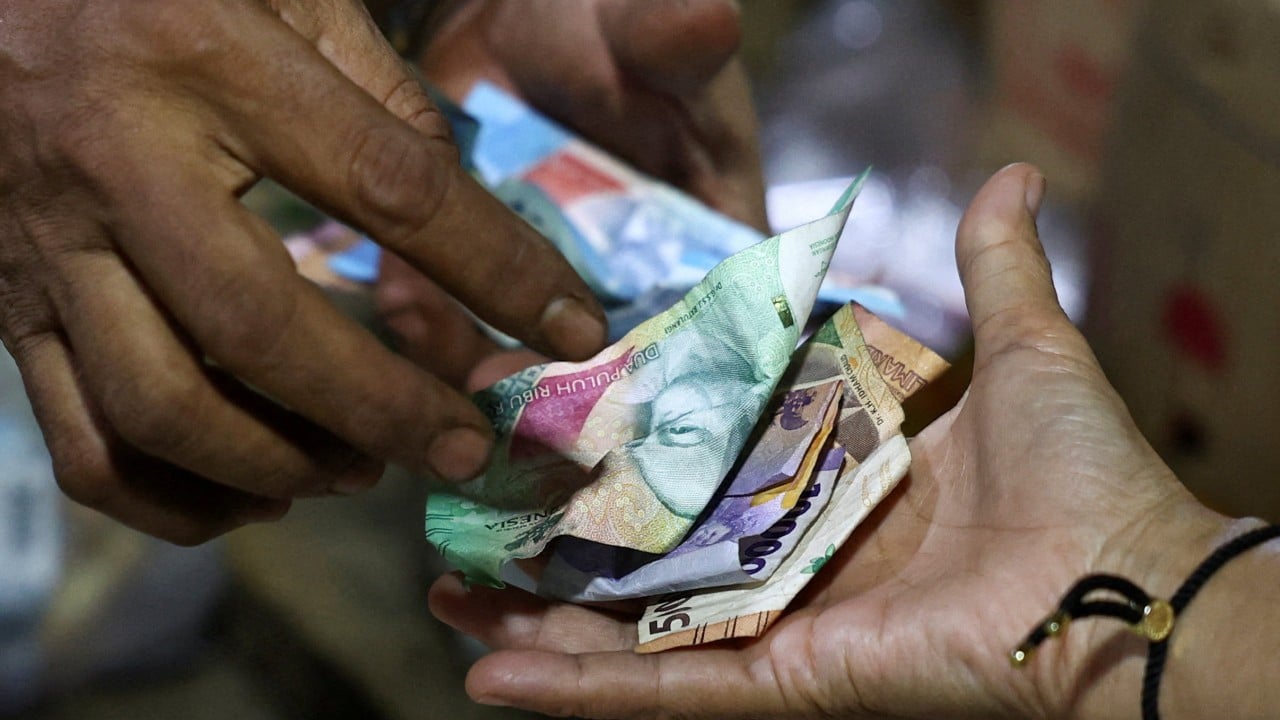
The Bali tipping controversy erupted after Indonesian senator Arya Wedakarna urged domestic travelers from across the archipelago to start leaving tips on the island, implying that foreign visitors enjoy warmer service because they are accustomed to paying extra. The remark sparked immediate pushback from fellow politicians, tourism insiders, and domestic holidaymakers who felt blamed for perceived service disparities while already paying mandatory service charges at formal venues. Beneath the viral outrage lies a deeper structural tension: Bali is struggling to reconcile low hospitality base wages, shifting tourist demographics, and domestic resentment over feeling like second-class guests in their own country.
Spend twenty years covering hospitality economics in Southeast Asia and you start recognizing the exact moment a destination crosses from genuine warmth into transactional friction. It rarely begins with a grand policy shift. It starts with a careless public comment that exposes a quiet truth nobody in the boardroom wants to say out loud.
What Sparked the Bali Tipping Clash
Wedakarna framed his argument around fairness and service motivation, suggesting that domestic visitors often haggle hard, skip gratuities, and expect high standards, whereas international tourists regularly tip and therefore draw more enthusiastic attention from staff. On paper, a politician talking about visitor habits sounds like routine island chatter. In practice, it hit a nerve that had been building for months.
Indonesian travelers already navigate an uneven pricing and attitude matrix in popular beach clubs, cafes, and resort corridors. When a public figure tells domestic visitors to open their wallets wider to earn basic enthusiasm, the message lands less like etiquette advice and more like a cover story for uneven treatment.
Critics wasted no time dismantling that framing. Fellow senator Ni Luh Djelantik pointed out that patrons at established restaurants and hotels already pay service charges added directly to their bills, which are meant to pool and distribute extra compensation to workers. Telling domestic guests they must tip on top of existing charges—or worse, implying they deserve less attentive hospitality if they do not—turns standard billing into a moving goalpost.
The Myth of the Generous Foreigner
One of the weakest links in the pro-tipping argument is the assumption that foreign passport holders automatically bankroll Bali's service staff while domestic Indonesians pinch pennies. Spending patterns on the ground tell a far messier story.
Data from Bali's tourism authorities and industry reports show international visitors spending roughly Rp 2.11 million—around $127—per day on average, whereas domestic tourists spend significantly less per day, closer to Rp 530,000. Yet volume matters just as much as daily averages. Bali recorded over 18.16 million domestic tourist trips during the first eight months of 2026 alone, making domestic travelers a massive pillar of occupancy and foot traffic.
Equally important, not every foreign visitor behaves like a big-spending patron. Observers in Bali have increasingly noted budget-conscious travelers, long-stay backpackers, and remote workers stretching dollars across hostels, street food, and single-drink cafe sessions. Treating nationality as a proxy for generosity is lazy economics. A domestic family booking villas, dining out, and tipping a driver for genuine care can outspend a shoestring foreign traveler without fitting the stereotype.
- Daily spend varies by segment: High-spending international travelers push average daily outlays higher, while domestic trips bring enormous repeat volume across mid-range and local businesses.
- Service charges blur the math: Many formal venues already tack on service charges to customer bills, creating confusion over what is already paid versus what is optional.
- Stereotypes backfire: Assuming locals are cheap and foreigners are generous breeds awkwardness on the floor and resentment online.
Why Wage Structures Sit at the Center of the Row
To understand why Bali tipping has become such a flashpoint, look behind the counter at labor economics. When hospitality businesses rely heavily on variable gratuities to supplement modest base pay, tipping stops being a bonus for standout care and starts looking like an income patch for underpaid roles.
That dynamic is dangerous for any tourism economy. If workers depend on discretionary cash to cover basic living costs or traditional family obligations, service quality becomes tightly coupled to perceived wallet size. Staff naturally gravitate toward guests they expect will reward them, and guests who do not fit that profile sense the cool shoulder immediately.
Several local voices in the debate have warned that normalizing aggressive tipping expectations risks eroding something priceless: the pride and dignity of Balinese hospitality. When service feels transactional or tip-driven, genuine warmth gets replaced by calculation. Worse, it shifts responsibility from employers—who set wages, schedules, and training—onto travelers who are already navigating rising prices, local taxes, and occasional nickel-and-diming complaints.
(Hypothetical example: Imagine a mid-sized beachside cafe in Seminyak that pays entry-level servers a low base wage plus a small share of a 10% service charge. If management encourages staff to push for extra cash tips while leaving base pay stagnant, servers may prioritize tables with foreign visitors over domestic families ordering local dishes, sparking complaints that hurt the cafe's repeat Indonesian business.)
Domestic Travelers and the Second-Class Feeling
For many Indonesians, the tipping row is the latest symptom of a broader frustration: feeling sidelined in a premier domestic getaway. Domestic holidays are not a secondary side hustle for Bali; they buffer the island against international travel shocks, flight disruptions, and global downturns.
When Indonesian visitors feel judged for bargaining in traditional markets or skipping an unprompted tip at a venue that already charges service fees, friction builds fast. Bargaining has long been part of market culture across much of Indonesia, yet in hyper-commercialized tourist zones it is sometimes recast as bad manners rather than normal shopping behavior.
Where Expectations Collide
| Factor | Domestic Indonesian Tourists | International Tourists | Practical Impact on Bali |
|---|---|---|---|
| Cultural baseline | Tipping is not traditionally mandatory across much of Southeast Asia; bargaining is common in markets. | Many Western and global travelers bring home-country tipping habits or see low prices in foreign currency. | Mixed signals on whether tips are normal, optional, or expected. |
| Spending profile | High trip volume and strong repeat visits, with lower average daily spend than top international brackets. | Higher average daily expenditure overall, though budget travelers and long-stayers also exist. | Uneven attention from businesses chasing higher per-head margins. |
| Perception risk | High risk of feeling treated like second-class guests at home. | Risk of over-tipping out of habit or facing inflated tourist pricing. | Erodes trust, word-of-mouth goodwill, and long-term loyalty. |
What Real Reform Looks Like Without Breaking Hospitality
Importing a heavy tipping culture into Bali is the wrong fix for a real problem. A healthier model starts with transparent pricing and fair base compensation so employees do not have to treat every table like a gamble.
Businesses that collect a service charge should explain clearly how it works and ensure it actually reaches staff rather than disappearing into vague overhead. At the same time, managers should train and evaluate teams on consistent courtesy for every guest—whether they arrive from Jakarta, Surabaya, Sydney, or Singapore.
Travelers have a role too, though it does not require turning every coffee or meal into a tip negotiation. When a guide, driver, spa therapist, or server goes above and beyond—or works in an informal role without a built-in service charge—leaving a modest, voluntary tip in rupiah is a generous gesture of appreciation. No one should be shamed into paying extra just to receive basic respect.
Bali's strongest competitive edge has never been a tip jar; it has always been the human connection behind the welcome—and the fastest way to lose it is making half your guests feel they have to buy their way into a smile.