When sweeping economic penalties severed Russia from Western manufacturing hubs, Moscow did not simply run out of advanced machinery, precision tools, and high-end electronics. Instead, trade routes redrew themselves across the map. Tiny, landlocked Kyrgyzstan emerged as the premier logistics corridor for feeding restricted goods directly into the Russian market. Behind a facade of ordinary commercial expansion, Bishkek became the ultimate transshipment valve, processing billions of dollars in foreign goods destined for the front lines and factories of a sanctioned superpower.
To understand how a mountainous nation of seven million people suddenly posted economic growth rates envied by global superpowers, one must follow the paper trail. In 2021, before the full-scale invasion of Ukraine reshaped Eurasian commerce, European Union exporters shipped a modest €230 million worth of goods to Kyrgyzstan. Within a single year, that figure multiplied quintuply. By subsequent reporting periods, EU trade volumes into the small republic approached the multi-billion-euro mark. High-end automobiles, specialized industrial machinery, computer-controlled numerical control tools, and advanced radio equipment began flooding into customs terminals in Bishkek.
Ordinary citizens in the Kyrgyz capital were not suddenly driving luxury European sedans en masse, nor were local textile mills deploying advanced manufacturing arrays. The destination of these imports was never Bishkek. The moment foreign cargo cleared Kyrgyz customs, freight manifests shifted. Under the umbrella of the Eurasian Economic Union, which allows unimpeded tariff-free movement between member states, shipments crossed porous borders into Kazakhstan and straight into Russia. Parallel importing transformed from an obscure bureaucratic loophole into a booming national industry.
The Architecture of the Transshipment Economy
Traders discovered that the margins were staggering. European manufacturers, eager to protect quarterly revenues, often performed compliance checks that stopped at the primary buyer. A shell company registered in an industrial district of Bishkek could order sophisticated machinery legally, certifying it for domestic industrial use. Once unloaded from transport planes or freight trains, the equipment changed hands rapidly. Paperwork dissolved into complex webs of intermediaries, cryptocurrency transactions settled accounts outside traditional banking rails, and trucks rolled northward across the steppe.
This commercial sleight of hand triggered immediate alarm in Western capitals. United States Treasury officials and European diplomats recognized early on that restrictions meant to starve Russia's defense apparatus of microchips and precision components were leaking through Central Asia. Yet addressing the leak proved remarkably difficult. Regional leaders mastered the art of diplomatic ambiguity, balancing lucrative economic gains with careful assurances to Western interlocutors.
The economic windfall for Kyrgyzstan was immediate and intoxicating. Remittances from migrant workers historically drove a massive share of the nation's gross domestic product, but the re-export boom rewrote fiscal realities. Official statistics recorded annual expansion touching nearly nine percent, a staggering velocity for a developing economy. Tax revenues generated by wholesale trading operations and digital currency platforms swelled state coffers. Cryptocurrency mining and digital asset exchanges, regulated under friendly local frameworks, provided an anonymous liquidity layer that insulated traders from Western banking blockades. By mid-decade, tax intake from digital currency networks rivaled earnings from the country's most historic physical bazaars.
Pressured by mounting intelligence dossiers from Washington, London, and Brussels, local authorities occasionally staged targeted interventions. Under intense scrutiny, regulatory bodies suspended registrations of dozens of wholesale and logistics enterprises tied to suspicious sanctions-evasion operations. Foreign ministry officials expressed formal regret over Western blacklists, insisting that Bishkek maintained an open stance toward international dialogue while defending national sovereignty. Yet these crackdowns operated more as strategic safety valves than systemic dismantlements. Shutting down fifty front companies leaves hundreds more operating under newly minted corporate shells, registered to fresh nominees in remote provinces.
Mechanics of the Paper Trail
The structural reality of modern trade evasion relies on decentralized networks that easily outpace slow-moving multilateral diplomacy. Targeted sanctions applied to individual financial institutions or specific front companies create a relentless cycle of corporate evasion. When the European Union blacklists a local bank or a regional digital asset exchange, operators simply pivot capital to alternative financial conduits operating within the wider Eurasian monetary space.
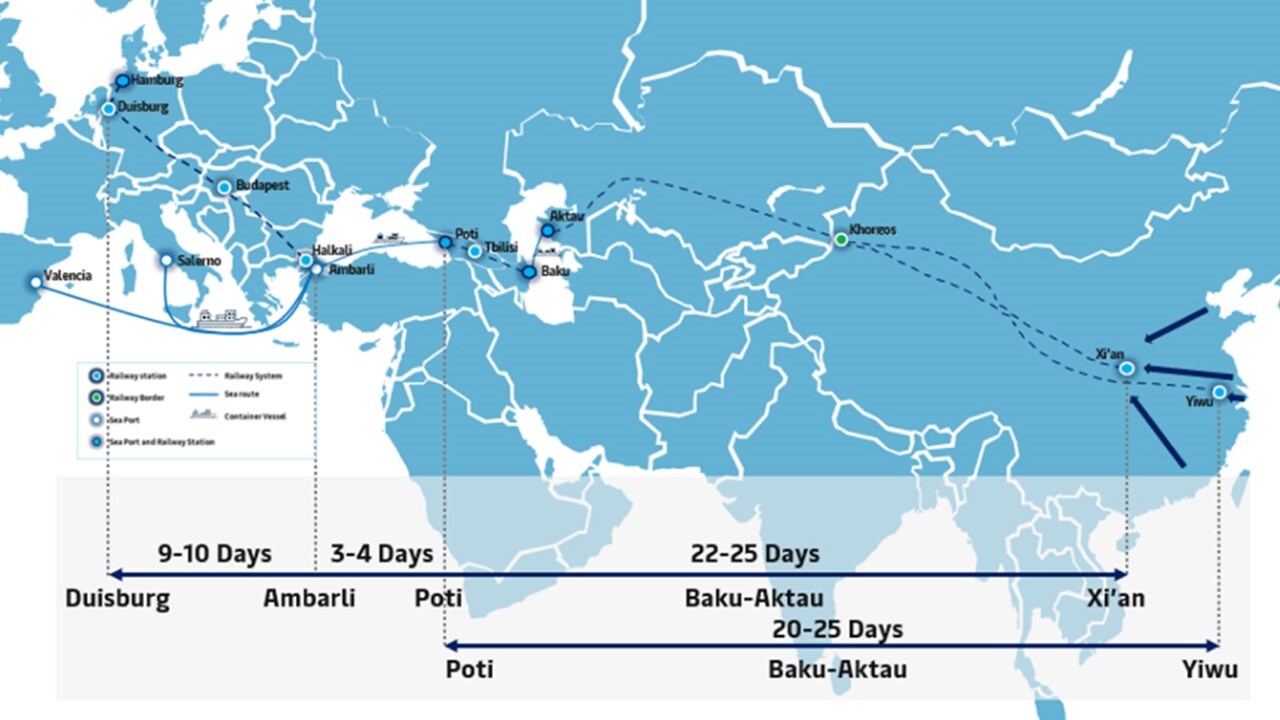
China plays an indispensable supporting role in maintaining this architecture. Beijing's massive export apparatus feeds both local consumption and transit corridors, ensuring that supply chains remain well-stocked regardless of Western restrictions. Following regional diplomatic summits, political ties between Beijing and Bishkek deepened, cementing Central Asia's role as a primary artery for China-Europe commerce that bypasses traditional maritime bottlenecks. For Beijing, maintaining secure trade routes through the region aligns neatly with long-term strategic ambitions, creating a resilient economic bloc largely immune to external financial pressure.
European exporters bear a distinct share of responsibility for the persistence of these flows. Compliance officers working for continental firms often hide behind technical compliance, arguing that end-user certificates were valid at the point of sale. When German, Finnish, or Baltic export statistics show astronomical spikes—in some categories surging by thousands of percent to a market with virtually zero domestic demand for those specific items—the willful blindness of commercial actors becomes glaringly apparent. Corporate boards prioritize immediate sales ledgers over geopolitical consequences, treating compliance audits as little more than bureaucratic theater.
The Realities of Enforcement
Moscow views these logistical lifelines as essential strategic infrastructure. As long as factories in Tatarstan and defense plants across the Urals require foreign machine tools to sustain military production, intermediaries in Central Asia will find profitable ways to bridge the gap. The financial rewards for participants in the trade chain are simply too high to be deterred by occasional diplomatic reprimands or targeted asset freezes.
International policymakers face a frustrating dilemma. Piecemeal measures and diplomatic appeals fail to dismantle a system built on deep economic incentives and structural geography. As long as global demand for restricted technology meets eager suppliers and flexible intermediaries, trade loops will continue to bypass the intended boundaries of international law, flowing silently across the vast expanse of the Eurasian steppe.