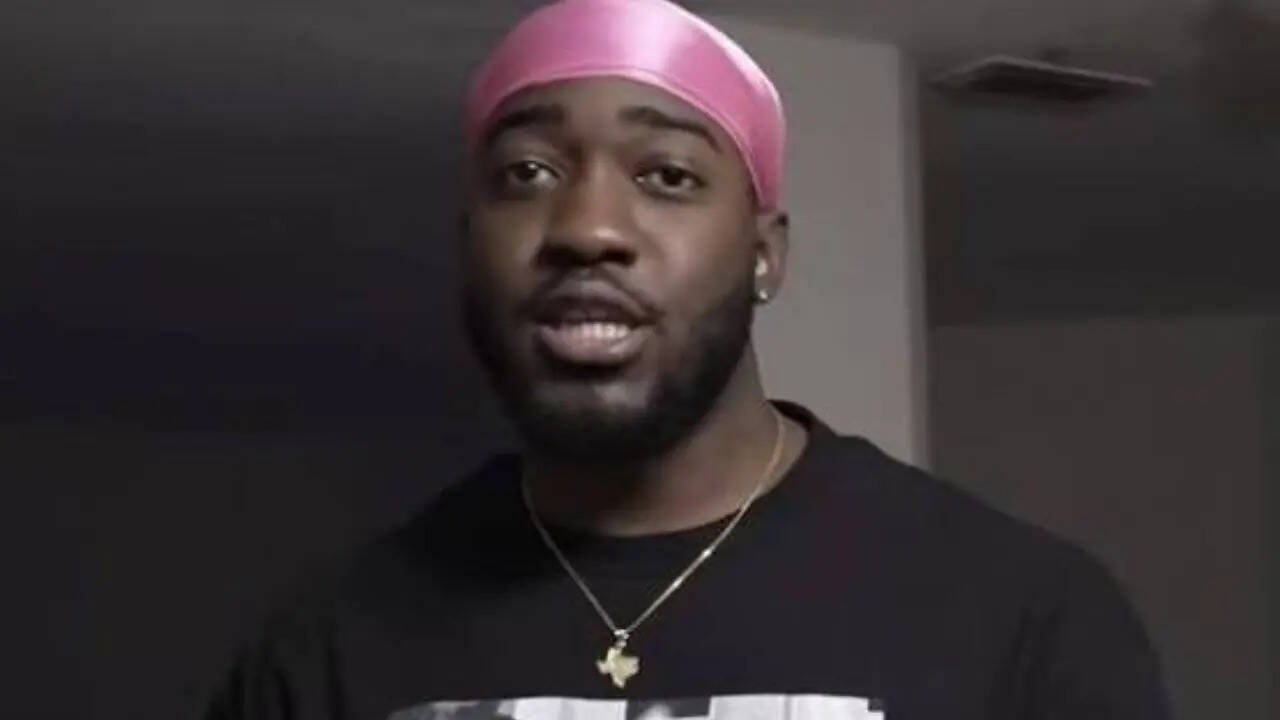
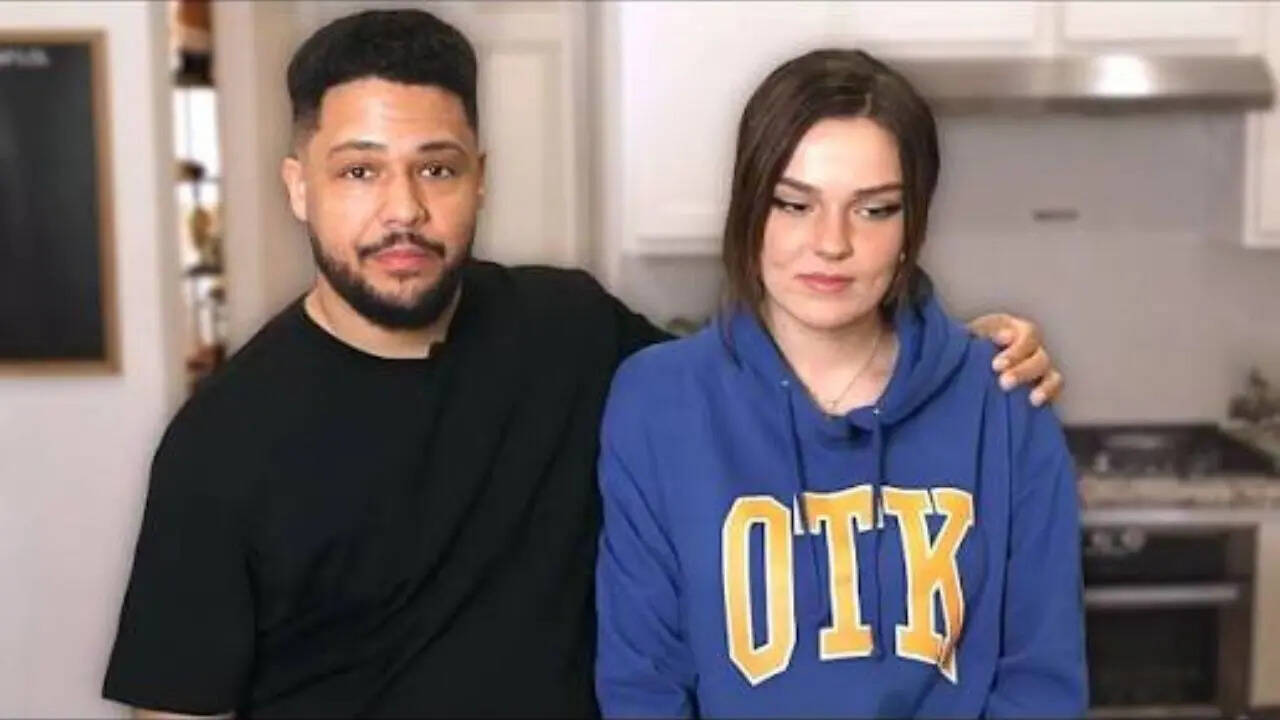
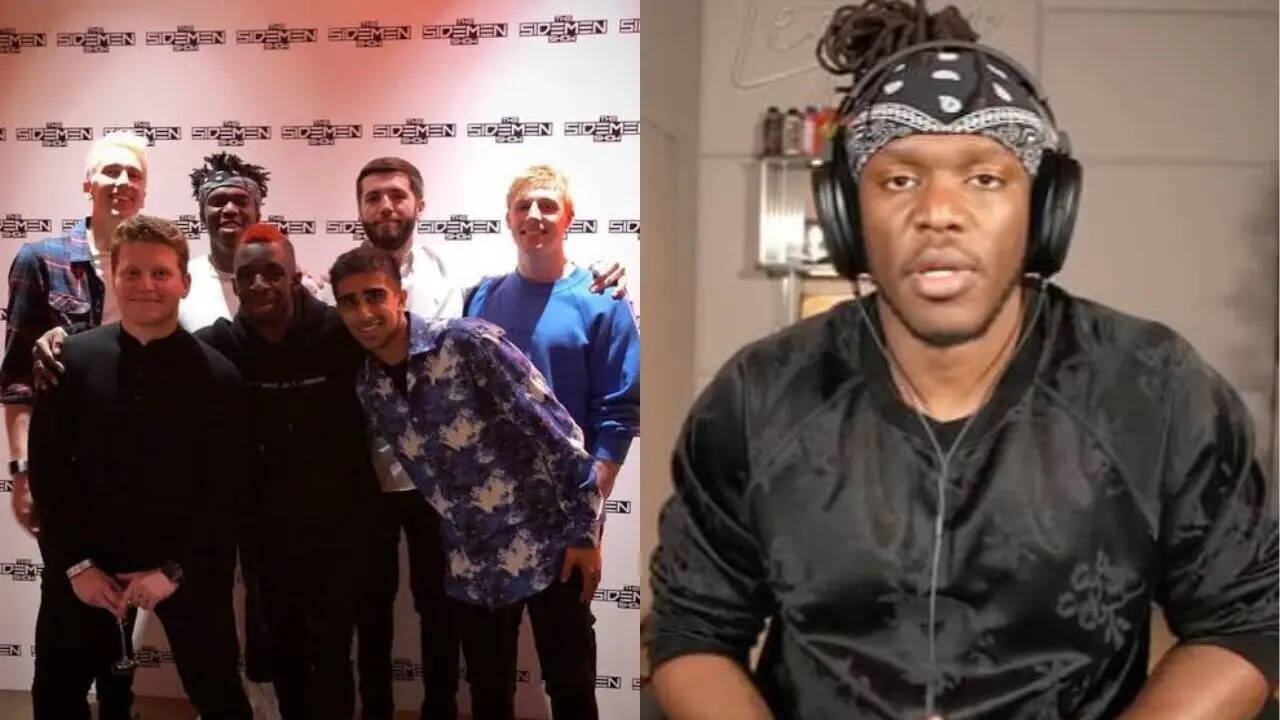
The modern internet operates on a brutal, unwritten contract. Creators trade privacy for wealth, vulnerability for engagement, and their humanity for a subscriber count. But this week, that contract escalated into a terrifying demonstration of how digital intimacy weaponizes public anger. Jesse Ridgway, known to millions of YouTube subscribers as McJuggerNuggets, became the target of a vicious online onslaught involving death threats and severe harassment. The catalyst was a deeply personal medical decision: he and his wife, Ashley, chose to terminate a pregnancy following a prenatal diagnosis of Trisomy 21, commonly known as Down syndrome.
By treating their personal tragedy as public property, the ensuing outrage revealed a grim reality about the creator economy. Audiences no longer view digital figures as real people making agonizing life choices. Instead, they see them as interactive characters subject to the moral mandates of the crowd.
The Myth of the Transparent Life
For over a decade, Ridgway built an empire on hyper-reality. His early success came from elaborate, blurred-boundary vlogs that kept audiences guessing about what was real and what was staged. This brand of transparency fosters a specific breed of fanaticism. Viewers do not just watch these creators; they feel entitled to a seat at their kitchen table.
When the couple announced their pregnancy earlier this spring, the audience celebrated. The narrative was tracking perfectly toward the ultimate creator milestone: the parenting transition. But when a routine genetic screening shattered those expectations, the couple chose to share their decision to terminate the pregnancy rather than retreat into silence.
The backlash was instant and unsparing. Comment sections transformed into a digital tribunal. Angry users leveled accusations of eugenics, hurled slurs, and sent explicit death threats. The toxicity even spilled over to target their ailing family dog. This is the structural flaw of the modern influencer economy. When you monetize your personal life, parts of your audience believe they bought voting shares in your morality.
The Reality of Medical Disruption
The public vitriol directed at the couple completely ignores the complicated realities of prenatal medicine. Ridgway openly admitted his initial ignorance about the diagnosis. He acknowledged that while he was ready to parent through intellectual delays, a deeper look into the associated medical complexities changed their perspective.
Trisomy 21 is not a uniform condition. It presents a wide spectrum of health challenges that can demand lifelong, highly specialized medical care.
- Cardiovascular Issues: Roughly half of all children born with the condition suffer from congenital heart defects, frequently requiring major surgical intervention in infancy.
- Respiratory and Auditory Challenges: Severe sleep apnea, chronic respiratory vulnerability, and profound hearing loss are highly prevalent.
- Lifelong Dependency: While many individuals with Down syndrome lead fulfilling lives, a significant percentage require comprehensive, full-time care well into adulthood.
The decision to terminate a pregnancy under these circumstances is a heavy medical and emotional choice. Yet, online discourse flattens these intricate realities into flat, black-and-white moral ultimatums. Data indicates that a majority of prospective parents facing a confirmed Trisomy 21 diagnosis opt for termination, but the deep-seated social stigma keeps these choices completely hidden. By speaking openly, Ridgway pierced that veil of privacy, and the internet punished him for breaking the silence.
The Weaponization of the Feedback Loop
The mechanism driving this harassment is a structural feature of modern social media platforms. Algorithms do not distinguish between healthy engagement and coordinated outrage. They simply track velocity.
When a controversial topic gains momentum, the platform amplifies it, pushing the most extreme voices to the top of the feed to keep users scrolling. This creates a dangerous feedback loop. The more shocking the comment, the more visibility it receives, normalizing extreme behavior like sending death threats over personal medical choices.
This environment strips away basic human empathy. Behind a screen, users do not see a grieving husband and a recovering wife. They see a headline, an opportunity to score moral points, or a target for their own unrelated frustrations. For creators, this means their worst personal moments can be instantly transformed into viral content for the masses to judge.
The Real Cost of Doing Business online
This situation points to a much larger, systemic issue within digital media. Creators are trapped in a cycle where maintaining an audience requires constant vulnerability, but showing that vulnerability leaves them completely exposed to devastating harassment.
There are no institutional HR departments or corporate security teams to protect independent creators when an audience turns hostile. They are entirely on their own, forced to filter through death threats in the same digital inbox they use to run their businesses. The financial rewards of the creator lifestyle are obvious, but the psychological toll of facing a coordinated digital mob remains dangerously unaddressed.
The internet demands absolute authenticity from its stars, yet it lacks the maturity to handle the messy, tragic, and deeply flawed realities of actual human lives. Until platforms change how they moderate systemic harassment, or audiences relearn the boundaries between entertainment and a person's real life, the digital space will remain a volatile environment where a private tragedy can trigger an immediate public execution.