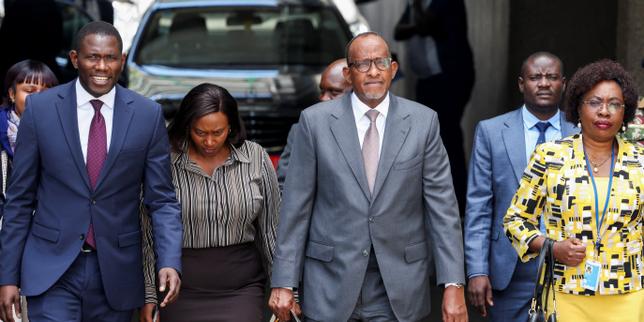
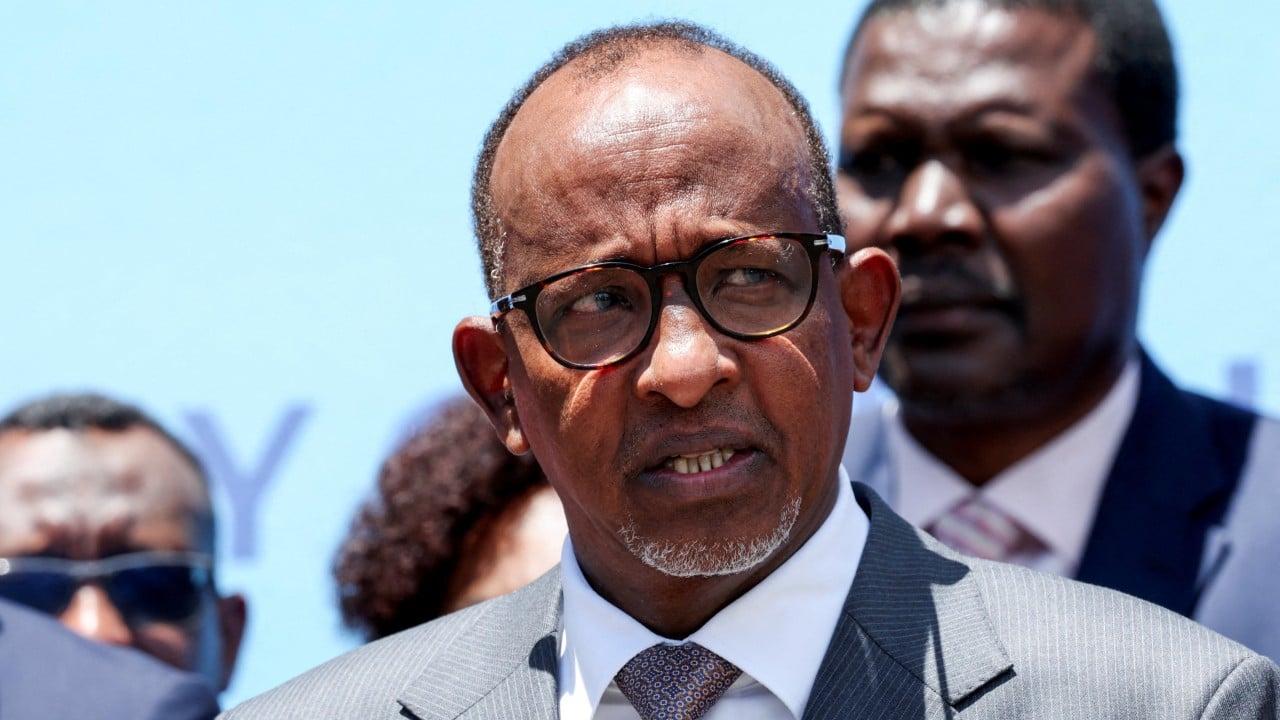
When the Kenyan Ministry of Health confirmed the country's first case of Ebola, the announcement triggered immediate alarms across East Africa. The patient, a Kenyan citizen who had spent over a decade living in the Democratic Republic of Congo, returned to Nairobi and tragically died at a local medical facility. But focusing entirely on a single imported case misses the systemic vulnerabilities exposed by the wider cross-border transmission network.
The virus driving this crisis is not the familiar Zaire strain that terrified global health bodies a decade ago. Instead, health authorities identified the pathogen as the Bundibugyo virus, a distinct strain of the orthoebolavirus family. While historical outbreaks of other strains carried terrifying case-fatality rates approaching ninety percent, the Bundibugyo variant typically hovers around a thirty to fifty percent mortality rate. That lower percentage offers cold comfort when paired with unprecedented transmission velocity. The ongoing epidemic in the Democratic Republic of Congo has surged past ten thousand confirmed cases, fueled by regional conflict, broken supply chains, and severe gaps in community trust.
Borders on a map mean very little to a pathogen moving through human hosts via regional trade and travel routes. When the infected traveler crossed from Central Africa through transit corridors toward Nairobi, he slipped through the net of initial screening protocols, highlighting the Achilles' heel of regional containment strategies. Epidemiologists have long warned that porous frontiers and heavy commercial traffic between central and eastern Africa create an ideal conduit for hemorrhagic fevers.
Kenya's response machinery kicked into gear immediately following the confirmation. Public health officials traced dozens of close contacts, established mandatory 21-day quarantines, and ramped up thermal screening at points of entry. These aggressive containment measures mirror protocols fine-tuned during previous health scares. Yet, the burden on frontline workers remains immense. Public health systems are forced to balance intense contact tracing with the economic fallout of restricted cross-border movement.
The broader narrative extends far beyond Nairobi's isolation wards. International aid organizations have repeatedly flagged deep structural failures in the primary zone of origin, including delayed funding disbursements, unpaid wages for frontline medical staff, and violent attacks on treatment centers. When local populations distrust health authorities due to historical marginalization, surveillance breaks down. A significant percentage of deaths occur outside formal medical settings, meaning countless chains of transmission remain invisible until an individual travels across international lines and collapses in a major metropolitan hub.
Stopping secondary transmission requires more than reactive quarantine measures. It demands sustained financial transparency, community-led health education, and a complete overhaul of how regional health networks share real-time intelligence. As Kenya manages its local clusters and monitors high-risk contacts through their vital incubation window, the ultimate test will not be whether an infected traveler can cross a border, but how fast an integrated public health network can extinguish the spark before it catches fire.
Ebola | Kenya records first confirmed Ebola case
This video provides direct coverage and regional news broadcast analysis regarding Kenya's official confirmation of its first imported Ebola case.