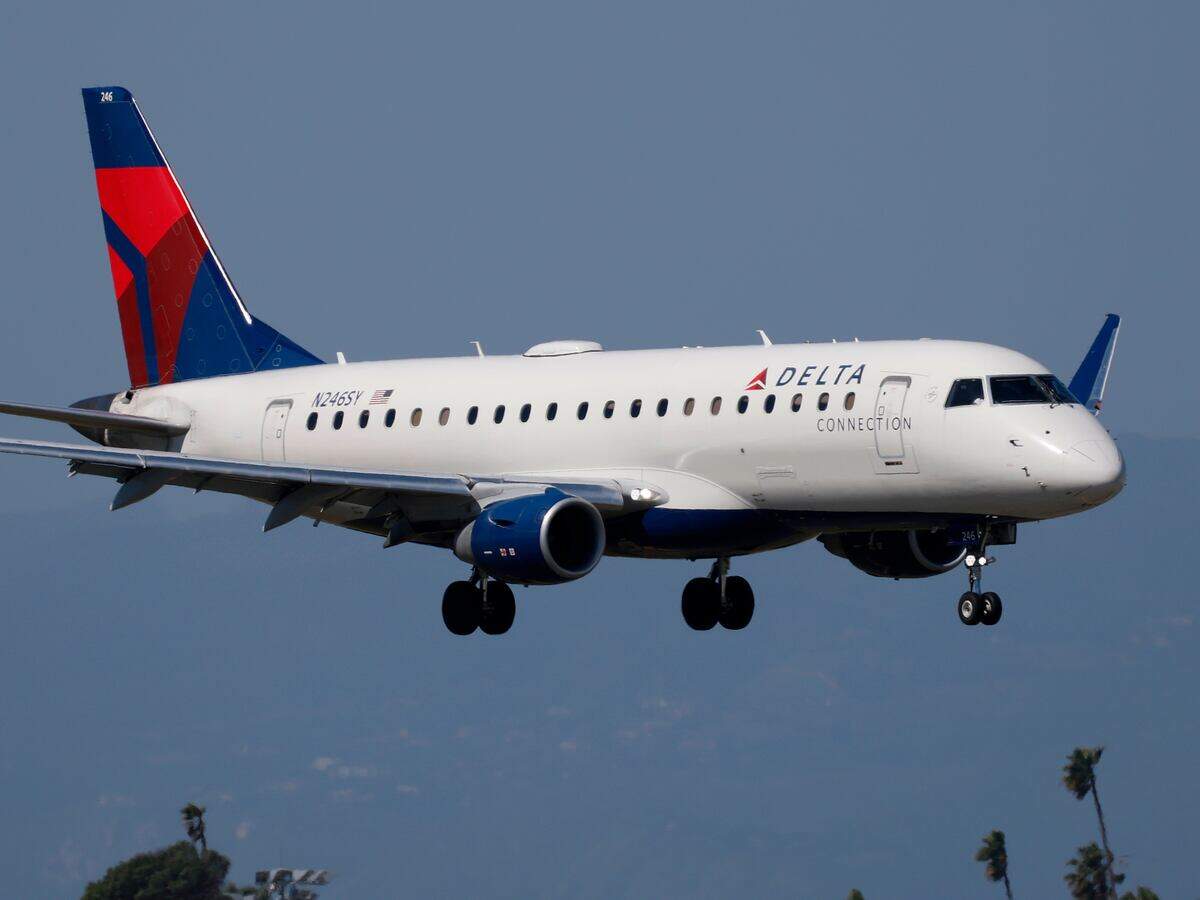
An anonymous bomb threat targeting a Delta Air Lines flight from New York to Tel Aviv triggered a massive emergency response at Ben-Gurion Airport, exposing deep-seated anxiety across international air corridors. When the aircraft touched down, it was immediately towed to an isolated zone, surrounded by security forces, and evacuated. The subsequent search yielded no explosives, classifying the event as a false alarm, yet the operational disruption laid bare how easily psychological warfare can paralyze commercial aviation.
Anonymous threats do not need to be genuine to achieve their objective. They require only a telephone call or a digital message to induce a cascading protocol of fear, economic loss, and systemic friction.
The Anatomy of an Aviation Scare
Commercial aviation security relies on an absolute threshold of caution. When a threat is communicated regarding an international flight—particularly one heading into a high-security hub like Tel Aviv—authorities cannot afford the luxury of skepticism.
The sequence of events following the anonymous tip on the New York departure followed a rigid, unyielding playbook. Air traffic controllers, airport security, and local law enforcement executed emergency procedures designed to protect human life above all else. Passengers were hurried off the aircraft, luggage was offloaded for secondary screening, and the tarmac surrounding the designated isolation bay was locked down.
Every minute an aircraft sits isolated on a remote taxiway represents a financial penalty for the carrier and a psychological toll on the travelers. Yet, the alternative—dismissing a threat as a probable hoax—carries a risk that no civil aviation authority is willing to underwrite. This asymmetry is the core vulnerability exploited by whoever generates these false alarms. It costs nothing to send an anonymous message, but millions to respond to it.
The Broader Security Climate
This incident did not occur in a vacuum. It unfolded against a backdrop of heightened regional tensions and recent alarming breaches in commercial cockpit security. Aviation analysts have watched closely as geopolitical friction spills over into civil airspace, shifting the nature of threat modeling.
Regulators are currently forced to re-evaluate how inbound international flights are vetted before wheels leave the runway. When a second Delta flight scheduled on the same corridor was subsequently held and inspected prior to its departure from New York, it signaled a shift from reactive terminal responses to preemptive origin-point profiling.
Security protocols are traditionally built around physical contraband detection: metal detectors, baggage scanners, and explosive trace detectors. They are poorly equipped to defend against informational disruption. A threat communicated via an encrypted channel halfway across the globe forces a physical standstill thousands of miles away.
The Cost of Operational Friction
Aviation is an industry built on tight turnaround times and precise scheduling. A widebody aircraft sitting idle for hours ruins downstream scheduling, forces crew members past their legal duty limits, and strands connecting passengers.
Airlines absorb these shocks quietly, but the frequency of threat-based disruptions strains resources thin. Airport security personnel, already operating under immense pressure, must divert specialized bomb-squad assets away from routine operations to vet aircraft that statistically carry nothing more dangerous than duty-free items and luggage.
The psychological dimension is equally damaging. Passengers stepping off an international flight into a swarm of emergency vehicles experience a jarring disruption of trust. Even when told the threat was empty, the memory of the evacuation lingers, altering consumer confidence in specific routes and carriers.
Securing the Skies Against Invisible Vectors
Mitigating this vulnerability requires more than reactionary sweeps on the tarmac. Intelligence agencies and cybersecurity units must trace the origin points of false threats with greater velocity, imposing severe legal consequences on perpetrators who treat mass transit as a canvas for disruption.
Until the cost of transmitting a false threat matches the immense cost of responding to it, commercial aviation will remain susceptible to this form of remote sabotage. The runway at Ben-Gurion cleared, and operations resumed, but the structural weakness remains exposed for the next caller to test.