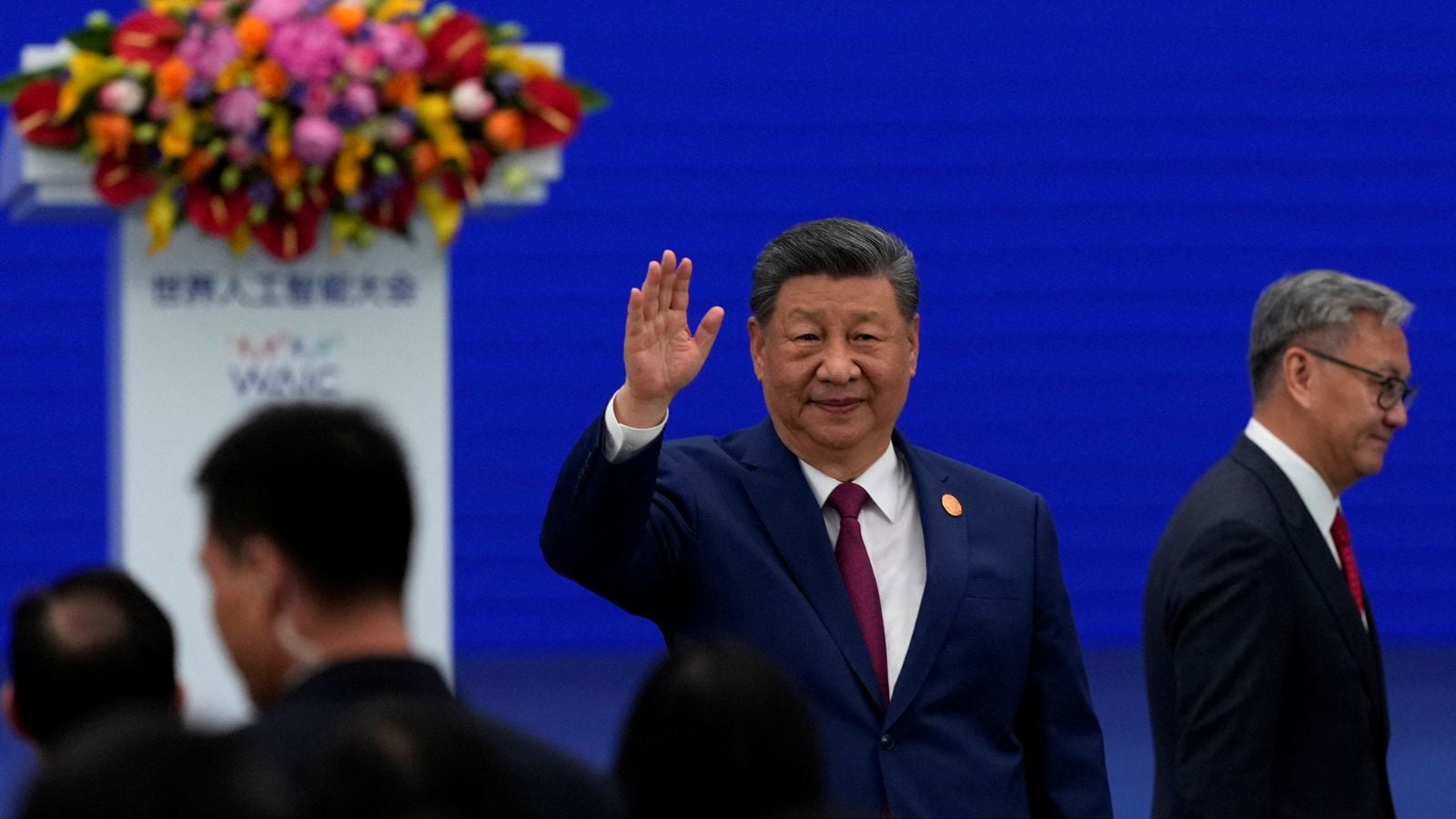
Chinese President Xi Jinping plans to bypass the United Nations General Assembly in New York during his upcoming September trip to the United States, choosing instead to focus entirely on a bilateral summit with President Donald Trump at the White House. According to reports citing informed diplomatic sources, Xi is scheduled to arrive in the United States late on September 23, hold high-level talks in Washington on September 24, and depart on September 25. By explicitly avoiding New York and the high-level UN General Debate that begins on September 22, Beijing is signaling a sharp, transactional recalibration of its foreign policy, prioritizing direct superpower bargaining over multilateral pageantry.
The Anatomy of a Calculated Absence
Diplomacy is often defined as much by what leaders refuse to do as by where they choose to sit. When news broke that the Chinese leader would narrow his U.S. itinerary solely to a single day of negotiations in the nation's capital, international observers immediately recognized the departure from standard diplomatic choreography.
For months, foreign policy circles in Washington and European capitals assumed that a U.S. visit coinciding with the autumn UN gathering would naturally serve a dual purpose. After all, the United Nations General Assembly has long functioned as the premier global stage for projecting multilateral leadership.
Instead, Beijing chose minimalism. Advance teams that typically scout New York weeks ahead of a presidential arrival were entirely absent. The logistical footprint points to a singular, unyielding objective: a concentrated push for direct dialogue with the White House, untethered from the distractions, protocol demands, and public theater of the East River assembly.
Bilateral Pragmatism Over Multilateral Theater
Xi's aversion to New York is not entirely unprecedented. Since taking office, the Chinese president has addressed the UN General Assembly in person only once, during the organization's seventieth anniversary in 2015. Subsequent addresses during times of crisis were delivered virtually, while subordinates like Premier Li Qiang managed physical delegations.
Yet the decision to skip the assembly during an actual physical journey to American soil carries distinct geopolitical weight. By bypassing New York, Beijing sidesteps the uncomfortable optics of championing the UN Charter and multilateral norms while navigating a tense global landscape marked by fractured alliances and active conflicts.
President Trump noted that the upcoming discussions would center heavily on artificial intelligence and other critical strategic pressures. In a landscape defined by fierce technological competition and shifting economic fault lines, Beijing appears to have concluded that multilateral speeches yield diminishing returns. Direct, face-to-face bargaining with the American executive offers a more direct path to managing bilateral friction.
The Strategic Cost of an Empty Seat
Opting out of the world's most prominent diplomatic forum creates a vacuum. For years, Chinese statecraft has sought to position Beijing as a steadfast defender of international institutions, contrasting its rhetoric with unilateral pressures from Western capitals.
Leaving the New York podium vacant allows competing international voices to dominate the narrative unchecked. While Western leaders and international bodies address pressing security dilemmas, the world's second-largest economy will remain conspicuously absent from the general debate floor.
This trade-off underscores a pragmatic reality within modern Chinese foreign policy. Ideological posturing at the United Nations takes a back seat when vital economic and technological stakes hang in the balance. The White House meeting on September 24 represents a high-stakes pivot toward hard-nosed realism, where the only audience that truly matters occupies the Oval Office.