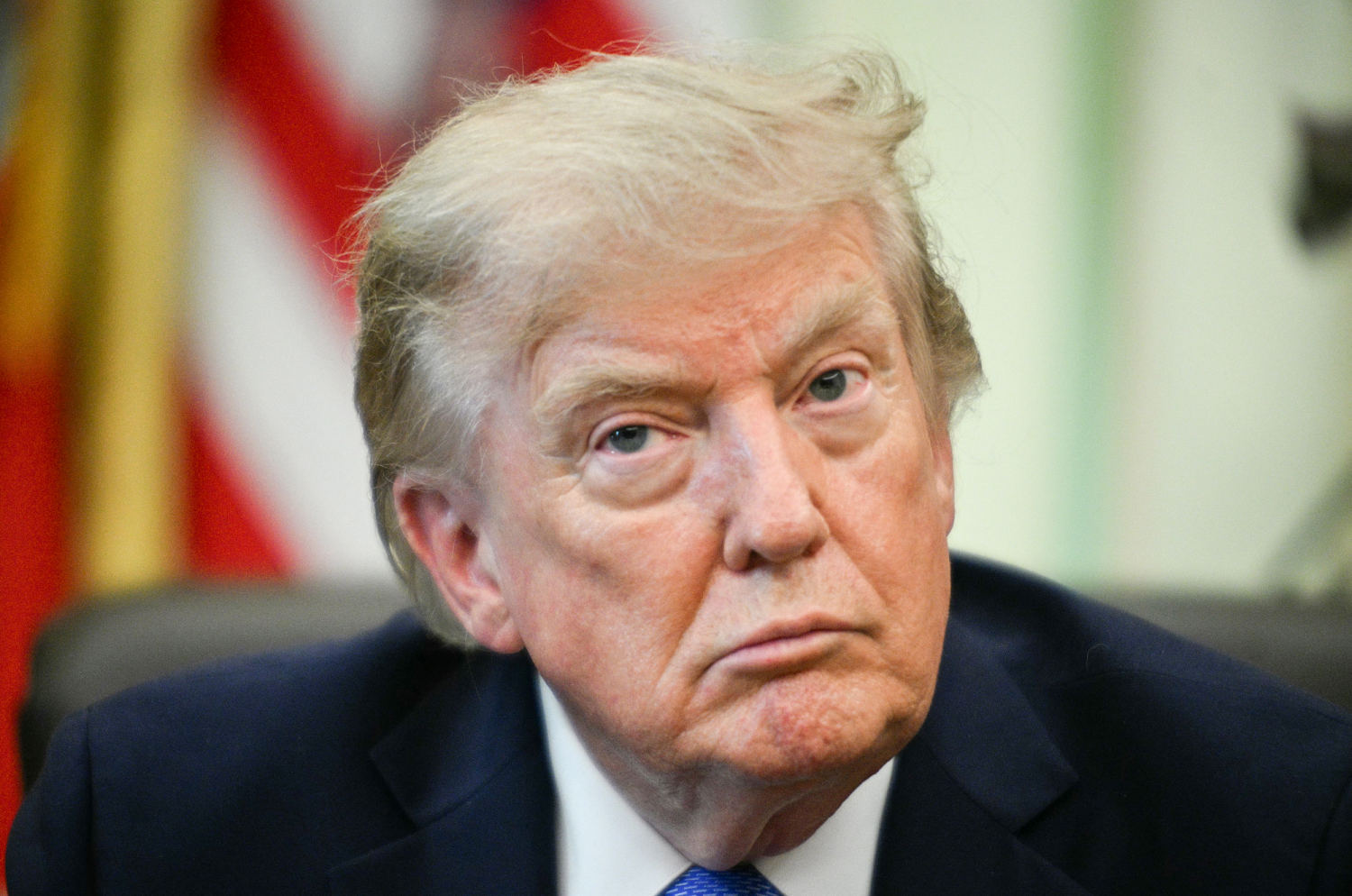
In September 2026, the executive branch escalated its hostility toward independent journalism when President Donald Trump announced a total ban barring CNN, MS NOW, and Politico from entering the White House complex. This move stripped reporters of their credentials, deactivated building entry badges, and upended decades of established protocol governing how the media covers the American presidency. Rather than an isolated temper tantrum, this exclusion represents a calculated escalation in a long-standing strategy to bypass traditional journalistic gatekeepers, punish unfavorable coverage, and reshape public information channels on executive terms.
The administration defended the ban by attacking the credibility of the targeted outlets, framing the restriction as a necessary defense against biased reporting. Yet the legal and structural repercussions were swift. Within days, federal courts intervened, and the collective media apparatus faced an existential dilemma regarding institutional solidarity and access. Understanding why this confrontation matters requires looking past partisan talking points to examine the raw mechanics of political power, constitutional rights, and the physical architecture of Washington access.
The Mechanics of Exclusion
Physical access to the executive mansion is not a mere professional courtesy. It is the literal foundation of independent oversight. When security personnel deactivated badges for journalists representing CNN, MS NOW, and Politico, the administration effectively severed the pipeline connecting the public to daily governance.
This tactic follows a playbook established earlier in the term, when Associated Press reporters were barred from smaller events and travel pools over a dispute regarding geographic nomenclature. By picking off individual outlets one by one, the administration tests the limits of executive authority. Each restriction sets a precedent, normalizing the idea that White House access is a presidential privilege granted solely based on behavioral compliance rather than an accountable public trust.
The targeted organizations did not absorb the blow quietly. Attorneys representing the three media companies filed immediate federal lawsuits, arguing that revoking credentials based on viewpoint discrimination violates core constitutional protections. The central legal battleground rests on whether the executive office can selectively blacklist reporters who publish critical investigations or challenging questions.
Constitutional Precedent and Fifth Amendment Protections
The courts have historically recognized that once the government opens a forum for press coverage, it cannot arbitrarily revoke access without due process. Federal judges pointed directly to established appellate precedents under the Fifth Amendment, which demand fundamental fairness and transparent criteria when administrative privileges are stripped away.
When U.S. District Judge Kelly intervened to temporarily block the ban, restoring press credentials and forcing the administration to retreat from the grounds temporarily, the ruling underscored a vital constitutional truth. The executive branch cannot treat the White House press room like private property. It is a public institution funded by taxpayers, intended to serve as a conduit for accountability.
Despite the temporary judicial reprieve, the administrative hostility persisted. Legal filings revealed that the White House continued to find creative ways to exclude journalists from specific briefings and restricted areas, prompting lawyers to expand their lawsuits. This cat-and-mouse game between executive enforcers and federal judges highlights a dangerous erosion of norms. When executive actors treat court orders as speed bumps rather than binding boundaries, the rule of law fractures.
Historically, tensions between the executive branch and the press corps have existed since the founding of the republic. Presidents from both parties have frequently complained about unfair coverage, leaked stories, and hostile questioning. Richard Nixon famously dubbed the press his opposition, while Lyndon Johnson famously clashed with reporters over Vietnam War reporting. However, previous administrations operated under an unspoken constraint: they understood that expelling reporters outright crossed a red line into authoritarian censorship.
By shattering this norm, the current administration has transformed the relationship between the government and the fourth estate into an open war of attrition. The tactic relies on weaponizing administrative bureaucracy. Security clearances, background checks, and badging protocols—normally mundane aspects of operational security—are converted into political weapons. When a reporter loses their badge, they lose their ability to collar administration officials in the West Wing corridors, buttonhole aides after press briefings, or observe the spontaneous interactions that yield critical context.
The Collapse of the Cooperative Press Pool
The fallout extended far beyond the legal briefs filed in Washington federal court. Modern journalism relies heavily on the cooperative press pool system, an arrangement where a rotating handful of reporters document the president's movements and share their reporting with the broader industry.
When CNN was dropped from the traveling pool for a presidential delegation heading to New York for the United Nations General Assembly, the response was immediate. The other major television networks recognized the existential threat. If the administration could unilaterally evict one network from the pool, any of them could be next. In an unprecedented display of solidarity, the remaining pool networks suspended their television coverage altogether.
This collective action exposed the fragility of the media ecosystem. For decades, competitive pressures often fractured journalistic solidarity. News organizations frequently scrambled to fill vacancies left by penalized competitors, prioritizing short-term scoops over long-term institutional protection. The September 2026 boycott proved that the stakes had finally grown too high to ignore. When the government dictates who sits at the table, the entire concept of an independent press becomes a fiction.
The pool system is designed to ensure that the public receives unbiased documentation of presidential actions, regardless of which administration holds office. When the government dictates membership in that pool based on ideological purity tests, the pool ceases to be an independent journalistic body and becomes an arm of state propaganda. The decision by network executives to halt pool coverage in solidarity was a rare, necessary display of spine in an industry too often cowed by corporate bottom lines and political access journalism.
Economic Realities and Corporate Pressures
Behind the journalistic bravado lie massive corporate conglomerates facing severe economic headwinds. CNN operates under parent structures navigating massive shifts in media consumption and corporate consolidation. Media executives face immense pressure to balance profitability with investigative ambition.
Critics argue that corporate ownership models sometimes make media institutions vulnerable to political intimidation. However, the coordinated legal pushback by CNN, MS NOW, and Politico demonstrates that commercial interests recognize the existential danger of capitulation. If an administration can bankrupt or sideline critical reporting through sheer administrative attrition, the long-term financial viability of investigative journalism evaporates.
Furthermore, the public discourse surrounding these bans reveals a deeply polarized populace. Supporters of the administration view the banned outlets as partisan combatants deserving of punishment. Detractors view the actions as authoritarian overreach. This divide paralyzes meaningful public debate, turning a fundamental question about government accountability into another tribal sports match.
The financial model of traditional newsgathering is built on trust and accessibility. When readers and viewers see major networks locked out of the White House, it signals a breakdown in the normal flow of information. Yet, counter-intuitively, such battles can sometimes rally audiences around besieged institutions. Subscriptions and digital traffic often spike when news organizations position themselves as defenders of the First Amendment against overreaching authority. Nevertheless, the long-term cost of constant litigation and barred access drains resources that would otherwise fund deep investigative reporting.
The Broader Strategy Behind Information Control
The White House press ban cannot be understood in a vacuum. It is part of a broader, multi-front campaign targeting major news institutions through defamation lawsuits, threats of regulatory investigations, and relentless rhetoric labeling mainstream journalism as enemy propaganda.
By actively promoting friendly digital platforms and partisan commentators while shutting out legacy newsrooms, the administration is attempting to construct an insulated information environment. In this environment, uncomfortable facts are dismissed as fabrications, and accountability is short-circuited.
The danger of this strategy extends well beyond the current political cycle. Once executive power is expanded to vet, license, or ban journalists based on the perceived friendliness of their coverage, that power passes to future administrations of any political stripe. A mechanism built to punish critics today becomes a tool for total narrative control tomorrow.
The legal battles will wind their way through appellate courts, likely heading toward higher judicial scrutiny. Yet the outcome of these lawsuits is only part of the equation. The true test lies in whether the press corps can maintain its collective spine when faced with systematic exclusion, and whether the public can recognize that freedom of information is the absolute bedrock of democratic survival.
The revocation of press credentials and deactivation of entry badges for CNN, MS NOW, and Politico is documented in this White House Press Credentials Revocation Report.