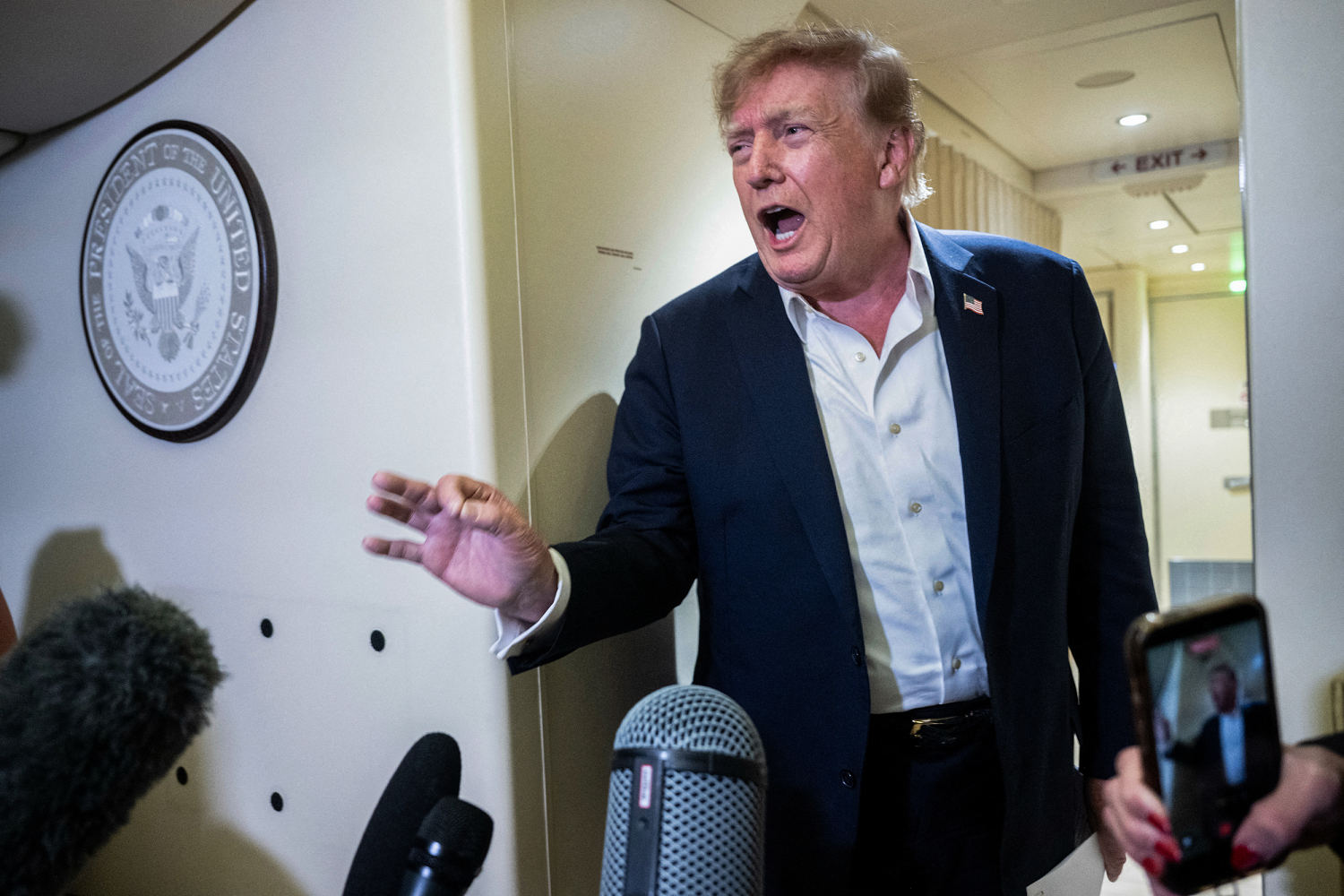
The removal of CNN and other media organizations from the presidential press pool is not merely a scheduling dispute or a petty administrative spat. It marks a calculated structural escalation in the ongoing war between the executive branch and independent journalism. When the White House strips a major broadcast network of its designated spot on Air Force One or revokes grounds credentials, the administration is actively rewriting the operational rules that have governed the American press corps for over a century. This friction exposes a dangerous precedent where constitutional protections are treated as conditional privileges subject to presidential approval.
To understand why this friction is reaching a boiling point, one must look at the mechanics of the White House press pool itself. The pool is an institutional necessity designed to ensure that the public has a continuous, uninterrupted record of the president's movements, meetings, and statements. Because space on presidential aircraft and inside secure compounds is strictly limited, major television networks, wire services, and print outlets rotate responsibility for capturing this footage and sharing it with the broader media ecosystem. When the executive branch handpicks who gets to enter that rotation based on editorial tone, the physical machinery of transparency is co-opted into an instrument of viewpoint discrimination.
The administration defends these exclusions under the banner of combating perceived unfairness and inaccuracies in coverage. Officials argue that access to the inner sanctums of power is a matter of administrative discretion rather than an absolute entitlement. Yet this argument ignores the foundational role the press plays as an institutional check on executive overreach. When a president bars specific journalists because their reporting displeases the West Wing, the chilling effect extends far beyond the newsrooms directly targeted. It sends a clear warning to every reporter assigned to the beat: conform or lose your livelihood.
Legal challenges mounted by media coalitions and civil liberties groups have repeatedly intersected with these executive actions, resulting in a tense legal chess match. Federal judges have stepped in to issue injunctions, temporarily halting broad bans on grounds access. However, the administration has repeatedly tested the boundaries of those judicial orders by finding new logistical avenues—such as excluding outlets from out-of-town travel and aircraft manifests—to sideline critical voices. Each workaround stretches the limits of constitutional jurisprudence, forcing courts to continually re-evaluate how the First Amendment applies to modern administrative gatekeeping.
The broader danger lies in the gradual normalization of this exclusion. When audiences become accustomed to partisan media silos where the president only faces sympathetic questions from approved interviewers, the baseline for public accountability erodes. The logistical fallout is immediate: entire segments of presidential travel go unrecorded by standard broadcast pools, leaving the public dependent on sanitized official readouts rather than independent observation.
This battle over the press pool is ultimately about who controls the historical record of an administration. If the executive branch succeeds in establishing the power to curate its own chroniclers, the concept of an independent fourth estate ceases to function as a pillar of democratic governance. The courts may temporarily check these expulsions, but the underlying impulse to muzzle critical inquiry remains deeply embedded in the current political strategy.
Watch a breakdown of CNN's removal from the White House press pool
This short clip covers the initial announcement regarding CNN's exclusion from presidential travel to Texas and Oklahoma, highlighting the immediate tactical maneuvers used by the administration.