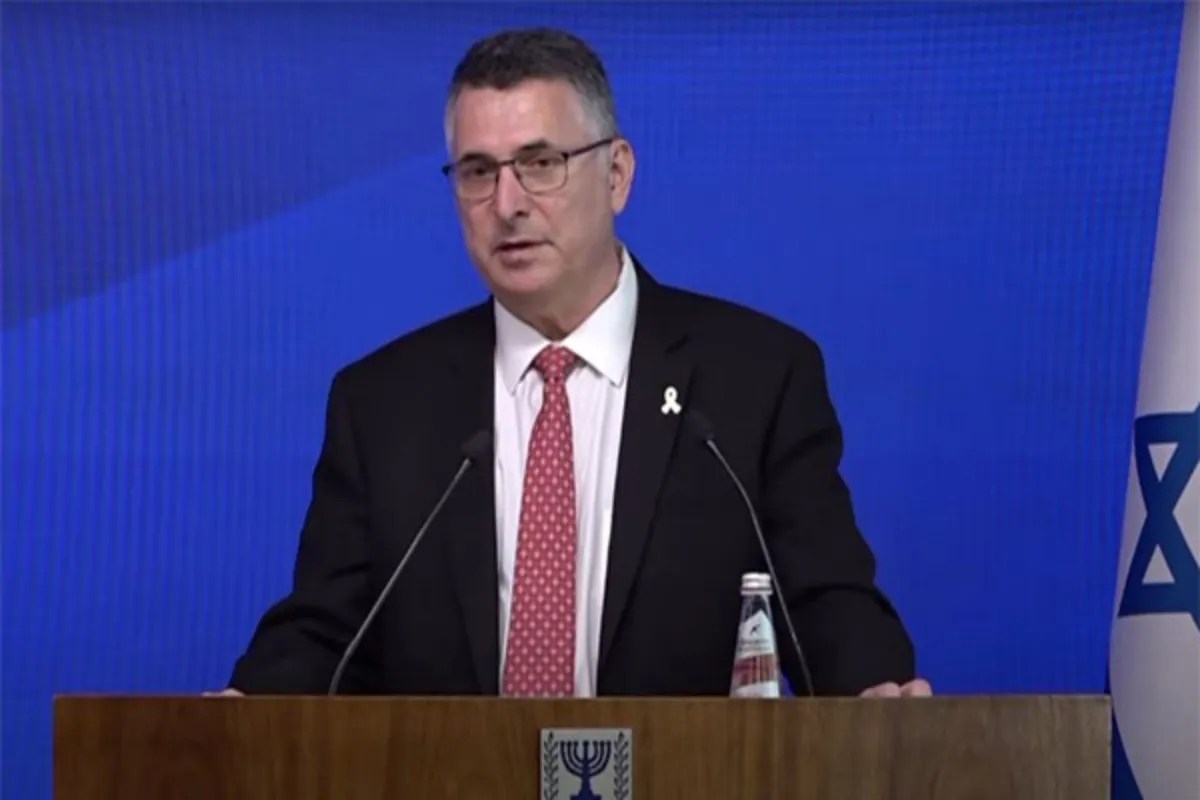
Israeli Foreign Minister Gideon Sa'ar stated publicly that the government has no intention of expelling or deporting Palestinians from the Gaza Strip. This declaration, delivered during a diplomatic visit to Ljubljana, Slovenia, directly contradicts aggressive relocation agendas pushed by other high-ranking members of the security cabinet. While Sa'ar insisted that relocation would remain strictly voluntary and contingent on third-country acceptance, domestic political maneuvering tells a far more complicated story of an administration deeply divided over the future of the territory.
The public fracture exposes the friction points inside an Israeli government hurtling toward a general election. Just days prior to Sa'ar's diplomatic address, Defense Minister Israel Katz asserted that long-term stability in the enclave remains impossible without mass migration. Katz went further, telling domestic media outlets that the state was prepared logistically to facilitate departures by sea and air should international backing materialize. National Security Minister Itamar Ben-Gvir compounded the rhetoric by introducing a multi-year blueprint aimed at emptying the strip through state-backed incentives and administrative frameworks. These competing visions are not merely rhetorical flourishes; they represent an ideological tug-of-war playing out on the international stage while domestic constituents prepare to cast ballots.
The Mechanics of Internal Dissent
Diplomatic strategy often dictates the softening of hardline policies when viewed through a European lens. Sa'ar stood on foreign soil to project an image of moderation, assuring international partners that international law and individual agency would be respected. Yet, the presence of hawkish proposals within the same governing coalition points to a deliberate strategy of keeping various factions appeased. Hardline ministers rely on the rhetoric of population reduction to satisfy their base, anchoring their platform on the premise that the devastation of the enclave necessitates radical demographic shifts.
This internal discord creates a profound diplomatic paradox for Jerusalem. International allies, including the United States administration through statements from Ambassador Mike Huckabee, have consistently maintained that forced displacement is off the table. By drawing a sharp line between forced deportation and voluntary migration, Sa'ar attempted to thread a needle that satisfies neither critics abroad nor ideologues at home. The caveat that Israel would not block individuals wishing to leave if a host nation accepts them leaves the door open just wide enough to keep the concept alive in political discourse, satisfying hardliners who view total demographic alteration as the ultimate strategic victory.
Electoral Pressures and Regional Realities
Elections alter political math with ruthless efficiency. With voters heading to the polls, cabinet ministers are positioning themselves for post-election coalition bargaining rather than presenting a unified executive front. The debate over Gaza's future demographic makeup serves as a primary litmus test for nationalist credentials. For figures like Ben-Gvir and Finance Minister Bezalel Smotrich, advocating for the removal of the territory's inhabitants is a core ideological tenet meant to secure loyalist votes.
Meanwhile, veteran diplomats recognize the severe regional friction such proposals generate. Neighboring states like Egypt have repeatedly drawn red lines against any movement of displaced populations across their borders, viewing permanent displacement as a threat to regional stability and national security. The United States and European partners have similarly warned that any semblance of forced expulsion damages long-term diplomatic standing and violates fundamental tenets of international law. Sa'ar's public distancing from forced deportation reflects an acute awareness of these external constraints, highlighting the friction between domestic political survival and geopolitical reality.
The operational reality on the ground further complicates these grand political designs. Years of conflict have shifted the enclave into a landscape of profound humanitarian need, temporary tent encampments, and fragmented governance. Talk of sea and air evacuations ignores the logistical impossibilities and the steadfast refusal of the vast majority of residents to abandon their ancestral land, regardless of political pressure. As long as coalition members utilize population transfer as a political talking point, official denials from foreign ministries will do little to quiet fears of permanent displacement.