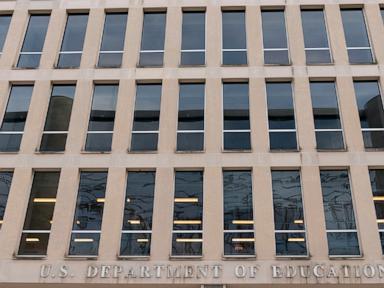
On July 1, the federal government officially shut off the open-ended liquidity valve that has funded American higher education for decades. Under the sweeping provisions of the Working Families Tax Cuts Act, Washington has instituted hard caps on graduate borrowing, severely restricted parent loans, and triggered a 90-day countdown for seven million borrowers to flee the expiring SAVE program. This is not a routine administrative adjustment. It is a fundamental rewiring of university finance designed to artificially depress the national student debt balance by shifting the financial burden directly back onto households and private lenders.
For thirty years, the federal student loan system operated on a simple, albeit dangerous, premise. The government would supply whatever sum a university chose to charge. By eliminating the Grad PLUS loan program for new enrollees and placing strict annual limits on Parent PLUS loans, the current policy consensus has shifted from expanding access to managing systemic liability.
The consequences will be felt immediately by families who assumed the federal safety net would cover the remaining balance on this autumn’s tuition bills.
The End of the Blank Check
To understand the scope of the current squeeze, one must look at the structural mechanics of the now-defunct Grad PLUS program. Previously, graduate students could borrow up to the total cost of attendance determined by their university, including housing, books, and personal expenses. There was no lifetime ceiling other than the school's own calculation of consumer need.
That framework is gone. Under the new rules, graduate students are restricted to a hard ceiling of $20,500 per year, with a lifetime aggregate cap of $100,000.
For professional degrees, such as medicine or law, the limits are higher but equally rigid. These students can access up to $50,000 annually, with a lifetime cap of $200,000.
A sharp divide has emerged regarding which programs qualify for the higher professional designation. The Department of Education has restricted the professional tier to traditional fields like medicine, law, and dentistry. This decision has caused significant friction across the healthcare sector. Advanced nursing programs, physician assistant tracks, and clinical psychology degrees are bound by the lower graduate cap.
Consider the financial reality for an advanced practice nursing student. A top-tier master's program can easily exceed $60,000 a year in tuition alone. Under the new rules, a student faces an immediate annual shortfall of nearly $40,000 that federal financial aid cannot bridge. The administration argues these caps will force universities to lower tuition. In reality, institutions rarely lower prices overnight. Instead, students will likely turn to high-interest private lenders or abandon their studies entirely, worsening existing labor shortages in critical fields.
The Middle Class Parental Trap
The restructuring strikes an even harder blow against undergraduate families utilizing Parent PLUS loans. Historically, parents could absorb the entire remaining balance of their child’s undergraduate education through federal borrowing, regardless of the price tag.
The new system replaces this open-ended funding with strict limits. Parents are now capped at borrowing $20,000 per year per child, with a lifetime maximum of $65,000 per dependent student.
This creates an immediate mathematical crisis for middle-class families sending children to out-of-state public universities or private colleges. If a private university costs $75,000 a year and the student qualifies for the maximum federal undergraduate loan of $5,500, a massive funding gap remains. The parent can no longer use a federal loan to cover the remaining $50,000 balance.
Hypothetical Private University Cost Breakdown (Annual):
Total Cost of Attendance:                 $75,000
Minus Maximum Student Loan:              -$5,500
Remaining Balance:                        $69,500
Minus New Parent PLUS Annual Cap:        -$20,000
Unfunded Cash Shortfall:                  $49,500
Families are left with few viable options to cover this gap. They can drain home equity, liquidate retirement accounts, or rely on private financial products that lack federal death and disability discharges.
Furthermore, Washington has introduced an absolute lifetime student loan cap. No individual borrower can accumulate more than $257,500 in federal education debt across their entire lifetime. This cap aggregates both undergraduate and graduate borrowing. A student who borrows heavily for an undergraduate degree will find their funding options restricted if they later decide to pursue a graduate or professional degree.
The Great SAVE Eviction
While new borrowers face strict limits on access to capital, current borrowers face an immediate bureaucratic disruption. The Saving on a Valuable Education (SAVE) plan is officially ending. Beginning July 1, federal loan servicers are required to distribute 90-day notices to the roughly seven million Americans currently enrolled in the program.
Borrowers must actively select a new repayment plan within this three-month window. If they fail to do so, their servicer will automatically transfer them into the standard 10-year fixed repayment plan. For many, this administrative default will cause an immediate spike in their monthly financial obligations.
Repayment Options Available After July 1, 2026
┌─────────────────────────┬────────────────────────────────────────────────────────┐
│ Repayment Plan          │ Eligibility & Structural Mechanics                      │
├─────────────────────────┼────────────────────────────────────────────────────────┤
│ Repayment Assistance    │ Open to all. Payments capped at 1% to 10% of income.   │
│ Plan (RAP)              │ Minimum $10 payment. Balance forgiven after 30 years.   │
├─────────────────────────┼────────────────────────────────────────────────────────┤
│ Tiered Standard Plan    │ New borrowers only. Fixed terms of 10 to 25 years      │
│                         │ scaled to total debt size.                             │
├─────────────────────────┼────────────────────────────────────────────────────────┤
│ Income-Based            │ Existing borrowers only. Standard 15% of discretionary │
│ Repayment (IBR)         │ income formula; 25-year forgiveness timeline.          │
└─────────────────────────┴────────────────────────────────────────────────────────┘
The elimination of SAVE marks a clear shift away from generous income-driven repayment structures. The newly introduced alternative, the Repayment Assistance Plan (RAP), features a much longer timeline for loan forgiveness. Under RAP, borrowers must pay for 30 years before any remaining balance is discharged, compared to the 10-to-20-year timelines offered under SAVE.
Additionally, RAP introduces a universal $10 monthly minimum payment. Even if a borrower reports zero income, they must pay this minimum fee to keep their account current. While $10 seems minor, it establishes a strict legal precedent: under the current framework, federal debt obligations cannot be paused entirely based on financial hardship.
The Autopay Concession
To soften the political impact of these restrictions, the Department of Education announced a temporary interest rate reduction for borrowers who utilize automated payments. This initiative functions as an immediate tactical concession.
The standard interest rate reduction for enrolling in auto-pay has been increased from 0.25% to a full 1.0%.
This additional 0.75% reduction will apply automatically to all Federal Direct Loans originated after July 1, 2012, provided the borrower remains enrolled in automatic debiting. However, this relief is temporary and will expire on June 30, 2028.
The strategy behind this move is clear. By offering a temporary rate reduction, the government incentivizes borrowers to transition into the new RAP or Tiered Standard plans without immediate protest. It also secures a steady stream of automated monthly collections for loan servicers, lowering default rates during a major policy shift.
Closing the Asset Loophole
The restructuring also targets how financial need is assessed before a loan is even issued. The new rules close a long-standing policy gap often called the Pellionaire loophole.
Previously, eligibility for federal Pell Grants and subsidized loans was calculated primarily using annual adjusted gross income. This formula ignored non-retirement assets, allowing individuals with substantial wealth but minimal taxable income to qualify for need-based federal assistance.
Starting July 1, asset verification is mandatory. If a household reports low annual earnings but holds significant capital in real estate, non-retirement investment accounts, or corporate entities, those assets will be factored directly into their financial aid calculation. This change ensures federal funds are reserved for families with verified financial need, though it adds another layer of paperwork to an already complicated financial aid process.
The era of unrestricted federal education lending has ended. By imposing strict caps on families, eliminating open-ended graduate funding, and winding down flexible repayment options, the federal government has chosen to prioritize fiscal containment over broad educational access. Families must now re-evaluate how they approach higher education costs, as the state is no longer willing to underwrite the rising price of a college degree.